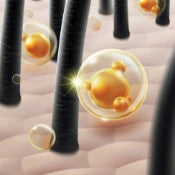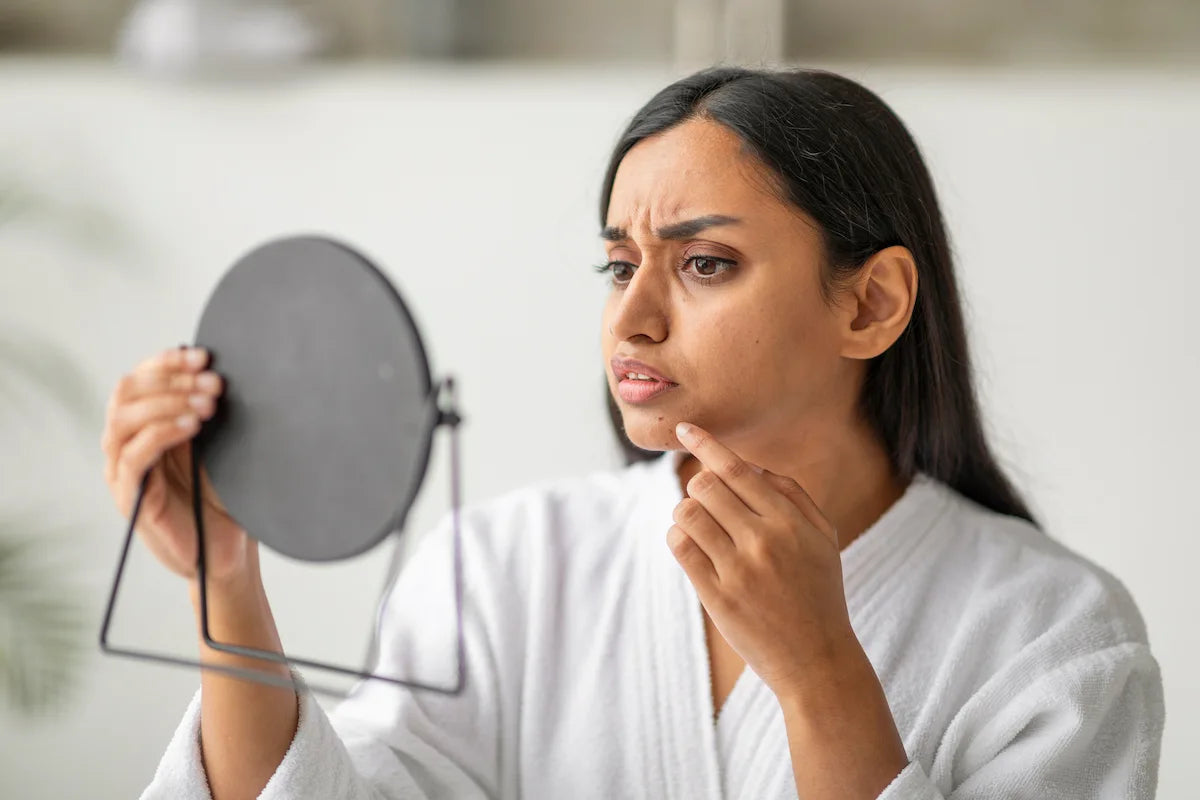
The demand for skin brightening products continues to grow across global skincare markets. Consumers increasingly seek products capable of improving the appearance of dark spots, uneven skin tone, post-inflammatory pigmentation, and visible discoloration without relying on aggressive treatment approaches. As a result, cosmetic manufacturers continue searching for active ingredients that can support pigmentation-focused product development while maintaining compatibility with modern formulation systems.
This shift has increased interest in 4-hexylresorcinol in skincare because the ingredient is frequently incorporated into formulations designed to improve the appearance of uneven skin tone and visible pigmentation concerns. Unlike many traditional brightening ingredients that focus on a single pathway, 4-Hexylresorcinol has attracted attention because of its broader role within modern skin brightening product development.
The growing popularity of 4-hexylresorcinol for skin brightening is also linked to consumer demand for advanced active ingredient skincare. Modern consumers often research ingredients before purchasing products and increasingly look for formulations that combine brightening performance, skin appearance improvement, and long-term cosmetic benefits. This trend has encouraged brands to incorporate 4-Hexylresorcinol into serums, creams, spot treatments, emulsions, and advanced multi-active brightening systems.
As interest in pigmentation-focused skincare continues expanding, many brands now work with a 4-hexylresorcinol manufacturer, 4-hexylresorcinol supplier, or cosmetic-grade 4-hexylresorcinol partner capable of supporting formulation development and commercial production requirements.
|
Property |
Details |
|
INCI Name |
Hexylresorcinol |
|
Ingredient Type |
Skin Brightening Active |
|
Solubility |
Oil Soluble |
|
Primary Function |
Skin Brightening and Pigmentation Support |
|
Application Categories |
Serums, Creams, Spot Treatments, Emulsions |
|
Typical Use Level |
Formulation Dependent |
|
Formulation Category |
Leave-On Skincare Products |
Why 4-Hexylresorcinol Is Gaining Attention in Modern Brightening Formulations
The skin brightening category has evolved significantly during the past decade. Earlier generations of brightening products often relied on a limited number of active ingredients and frequently focused on narrow product claims. Modern skincare development has shifted toward multi-functional systems designed to improve overall skin appearance while addressing concerns such as pigmentation, dullness, uneven tone, and visible discoloration.
This shift has created significant opportunities for 4 hexylresorcinol in cosmetics because the ingredient aligns well with modern formulation objectives. Cosmetic manufacturers increasingly prefer active ingredients capable of supporting multiple product concepts while remaining compatible with sophisticated formulation architectures. 4-Hexylresorcinol fits this requirement and has become increasingly common in advanced skin brightening programs.

Consumer demand has also contributed to its growth. Rather than focusing only on short-term radiance, many consumers now seek products that support long-term improvements in visible skin tone appearance. This trend has encouraged formulators to explore ingredients capable of supporting pigmentation-focused product positioning while fitting comfortably into daily skincare routines.
Several factors continue driving demand for 4-Hexylresorcinol:
- Growing consumer interest in pigmentation management
- Increased demand for dark spot formulations
- Expansion of skin brightening skincare categories
- Growth of multi-active treatment systems
- Increased interest in uneven skin tone correction
- Demand for advanced cosmetic active ingredients
- Expansion of premium skincare categories
These market trends continue creating opportunities for brands working with a 4-hexylresorcinol supplier, 4-hexylresorcinol manufacturers in India, or 4-hexylresorcinol low MOQ supplier during both product development and commercial scale-up.
What Is 4-Hexylresorcinol?
4-Hexylresorcinol is a cosmetic active ingredient widely used in modern brightening formulations. The ingredient has attracted significant attention within the skincare industry because of its association with pigmentation-focused product development and skin appearance improvement strategies.
For formulators, 4-hexylresorcinol cosmetic ingredient applications primarily focus on products designed to improve the appearance of dark spots, uneven skin tone, and visible pigmentation concerns. Its growing popularity reflects broader industry movement toward advanced brightening systems that combine multiple active ingredients within a single formulation architecture. The ingredient is commonly identified as:
- 4-Hexylresorcinol
- Hexylresorcinol
- INCI Name: Hexylresorcinol
- CAS Number: 136-77-6
- Skin Brightening Active Ingredient
Unlike ingredients used primarily for hydration or texture modification, 4-Hexylresorcinol is generally incorporated into formulations developed around skin tone appearance and pigmentation-focused objectives. This positioning has contributed to its increasing use in advanced skincare development programs. Today, 4-hexylresorcinol in skincare can be found in a wide range of cosmetic products including brightening serums, corrective creams, dark spot treatments, anti-pigmentation systems, and premium skincare formulations developed for global markets.
You may be interested in: Phytosphingosine Benefits for Skin: Barrier Repair, Acne & Sensitive Skin
Why Manufacturers Use 4-Hexylresorcinol in Cosmetic Formulations
The skincare industry continues placing significant emphasis on active ingredients capable of supporting multiple formulation objectives simultaneously. Manufacturers increasingly seek ingredients that can contribute to product differentiation while remaining compatible with modern formulation systems and consumer expectations. One reason manufacturers utilize 4-hexylresorcinol for cosmetic formulation is its strong association with pigmentation-focused skincare.
Products designed to improve the appearance of dark spots, uneven skin tone, and visible discoloration often require carefully selected active ingredients capable of supporting broader brightening strategies. 4-Hexylresorcinol is frequently incorporated into these systems because it aligns well with current market demand. Another advantage is formulation flexibility. The ingredient can be incorporated into multiple product categories, allowing brands to create complete brightening-focused skincare collections while maintaining consistency across product positioning and marketing narratives. Manufacturers frequently utilize 4-Hexylresorcinol in:
- Brightening serums
- Dark spot treatments
- Tone-correcting creams
- Anti-pigmentation products
- Multi-active skincare systems
- Premium skincare products
- Daily-use brightening formulations
As consumer demand for visible skin tone improvement continues increasing, 4-Hexylresorcinol remains one of the most actively explored ingredients within modern pigmentation-focused product development.
Why 4-Hexylresorcinol Remains Relevant in Modern Brightening Product Development
The cosmetic industry regularly introduces new brightening technologies and active ingredients. However, only a limited number of ingredients maintain long-term relevance across multiple product generations. 4-Hexylresorcinol continues attracting interest because it aligns with several major trends shaping modern skincare development.
One reason for its continued relevance is that pigmentation remains one of the most common concerns addressed by skincare products worldwide. Consumers consistently seek products designed to improve the appearance of dark spots, post-acne marks, uneven skin tone, and visible discoloration. This creates ongoing demand for active ingredients capable of supporting these formulation objectives.

Another factor contributing to growth is the increasing complexity of modern skincare systems. Today's formulations often combine multiple active ingredients within sophisticated product architectures. Because 4-hexylresorcinol in cosmetics integrates effectively into these systems, it remains attractive to formulators seeking advanced brightening solutions.
Several factors continue to support adoption:
- Strong relevance to pigmentation-focused products
- Compatibility with modern skincare architectures
- Growing consumer awareness of active ingredients
- Demand for advanced brightening technologies
- Expansion of multi-active skincare systems
- Continued growth of premium skincare categories
- Global demand for skin appearance improvement products
As skincare innovation continues evolving, 4-Hexylresorcinol remains an important ingredient within modern brightening product development and is expected to remain highly relevant across future skincare categories.
How 4-Hexylresorcinol Works on Skin
The growing interest in 4-hexylresorcinol in skincare is largely linked to its association with pathways involved in visible skin tone appearance. Modern pigmentation-focused skincare products are increasingly designed around ingredients capable of supporting multiple mechanisms related to uneven skin tone, dark spots, and discoloration. This approach allows formulators to create more comprehensive brightening systems rather than relying on a single cosmetic strategy.
4-Hexylresorcinol is commonly discussed in relation to tyrosinase activity, one of the key biological factors associated with melanin formation. Because visible pigmentation is influenced by multiple pathways, formulators often utilize ingredients that support broader skin brightening strategies. This explains why 4-Hexylresorcinol is frequently incorporated into advanced brightening formulations alongside niacinamide, tranexamic acid, alpha arbutin, vitamin C derivatives, and other pigmentation-focused active ingredients.
The ingredient is also associated with modern cosmetic approaches that focus on improving overall skin appearance rather than targeting a single concern. As a result, products containing 4-Hexylresorcinol are often positioned around visible tone correction, dark spot appearance reduction, radiance enhancement, and skin brightening support. Its activity is commonly associated with:
- Skin brightening support
- Pigmentation-focused formulations
- Dark spot appearance improvement
- More even-looking skin tone
- Multi-pathway brightening strategies
- Advanced active ingredient systems
- Long-term skin appearance improvement
Because pigmentation concerns often involve multiple contributing factors, many formulators incorporate 4-hexylresorcinol formulation strategies into broader multi-active skincare architectures rather than relying on a single active ingredient approach.

4-Hexylresorcinol Benefits for Skin and Cosmetic Formulations
The continued growth of 4-hexylresorcinol in skincare is driven by the wide range of benefits it offers both consumers and cosmetic manufacturers. Unlike highly specialized ingredients that address only one formulation objective, 4-Hexylresorcinol supports multiple product concepts related to skin appearance improvement. This versatility has helped establish the ingredient as a valuable component within modern brightening product development.
As skincare consumers become increasingly educated about active ingredients, demand continues rising for products capable of addressing concerns such as uneven skin tone, dark spots, pigmentation irregularities, and overall skin radiance. This trend has encouraged brands to adopt active ingredients that can support broader cosmetic objectives while remaining compatible with sophisticated formulation systems.
Supports Skin Brightening Formulations
One of the primary reasons formulators use 4-hexylresorcinol for skin brightening is its strong association with modern brightening product development. The ingredient frequently appears in products positioned around radiance enhancement and visible skin tone improvement.
Supports Pigmentation-Focused Products
Products targeting visible pigmentation concerns often incorporate 4-Hexylresorcinol as part of broader formulation strategies designed to improve overall skin appearance.
Helps Improve the Appearance of Dark Spots
The ingredient is commonly used in formulations developed to address visible dark spots and uneven-looking skin.
Suitable for Multi-Active Systems
4-Hexylresorcinol integrates effectively into formulations containing multiple active ingredients, making it attractive for advanced skincare development.
Supports Premium Product Positioning
Its growing reputation within brightening skincare allows brands to position products within premium active ingredient categories.
Compatible with Multiple Product Formats
The ingredient can be incorporated into serums, creams, emulsions, spot treatments, and advanced skincare systems(Ingredients)
Consumer Recognition Is Increasing
Awareness of pigmentation-focused active ingredients continues growing, increasing consumer interest in products featuring 4-Hexylresorcinol.
Useful for Long-Term Product Strategies
The ingredient remains relevant across multiple skincare categories and continues attracting formulation interest globally.
Supports Advanced Brightening Architectures
Formulators frequently incorporate it into products designed around complex brightening and skin tone improvement strategies.
Broad Global Relevance
Demand for products targeting uneven skin tone and pigmentation concerns exists across numerous skincare markets worldwide.
|
Benefit |
Why It Matters |
|
Skin Brightening Support |
Supports radiance-focused formulations |
|
Pigmentation Positioning |
Suitable for pigmentation-focused products |
|
Dark Spot Applications |
Supports appearance improvement strategies |
|
Multi-Active Compatibility |
Works with advanced skincare systems |
|
Premium Positioning |
Enhances product differentiation |
|
Formulation Flexibility |
Suitable for multiple formats |
|
Consumer Interest |
Increasing ingredient recognition |
|
Long-Term Relevance |
Supports ongoing product development |
|
Global Demand |
Relevant across international markets |
|
Advanced Formulations |
Fits sophisticated skincare architectures |

Common Application Formats for 4-Hexylresorcinol
One reason 4-hexylresorcinol in cosmetics continues attracting attention is its flexibility across multiple product categories. Modern skincare consumers rarely depend on a single product to address pigmentation-related concerns. Instead, they typically incorporate multiple products into their routines, creating opportunities for brands to develop complete brightening-focused product portfolios.
This flexibility allows manufacturers to create product collections targeting different consumer preferences, application habits, and formulation objectives while maintaining a consistent active ingredient strategy. Common application formats include:
|
Product Type |
Why Used |
|
Brightening Serums |
Intensive active delivery |
|
Targeted application |
|
|
Corrective Creams |
Daily-use support |
|
Emulsions |
Multi-active systems |
|
Brightening Lotions |
Lightweight delivery |
|
Spot Correctors |
Focused treatment |
|
Advanced active architectures |
|
|
Skin Tone Products |
Appearance improvement |
The ability to perform across numerous formats has contributed significantly to the growing popularity of 4-hexylresorcinol skincare ingredient applications within modern cosmetic development.
4-Hexylresorcinol for Pigmentation and Dark Spot Formulations
Pigmentation remains one of the most important categories within modern skincare. Consumers increasingly seek products capable of improving the appearance of post-acne marks, sun-related discoloration, dark spots, and visible unevenness. As a result, pigmentation-focused skincare continues driving significant innovation throughout the cosmetic industry. The growing use of 4-hexylresorcinol for pigmentation reflects this trend.
Cosmetic manufacturers frequently incorporate the ingredient into formulations designed around visible skin tone improvement because it aligns with broader brightening product objectives. Modern pigmentation products often combine multiple active ingredients capable of supporting different formulation goals. Rather than relying on a single ingredient, formulators increasingly develop multi-active systems that address pigmentation concerns through several complementary approaches. Products commonly incorporating 4-Hexylresorcinol include:
- Pigmentation serums
- Dark spot treatments
- Brightening emulsions
- Corrective skincare products
- Multi-active brightening systems
- Premium skin tone formulations
- Advanced pigmentation products
As demand for pigmentation-focused skincare continues expanding globally, 4-hexylresorcinol for dark spots remains one of the most actively explored ingredient applications in cosmetic product development.
4-Hexylresorcinol for Uneven Skin Tone Management
Modern consumers increasingly evaluate skincare products based on overall skin appearance rather than isolated benefits. Products designed to improve visible skin tone uniformity often perform strongly because they address multiple concerns simultaneously, including dullness, discoloration, dark spots, and uneven-looking complexion.
This trend has contributed to increased interest in 4-hexylresorcinol for uneven skin tone because the ingredient is frequently incorporated into formulations positioned around overall skin appearance improvement. Rather than focusing exclusively on a single visible concern, many products utilize 4-Hexylresorcinol as part of broader skin tone management strategies. Formulators often incorporate the ingredient into:
- Tone-correcting serums
- Brightening creams
- Daily-use treatment products
- Corrective emulsions
- Appearance-focused skincare systems
- Multi-active brightening products

As skincare science continues evolving, 4-Hexylresorcinol remains increasingly relevant for brands developing products focused on visible skin tone improvement and overall complexion appearance.
Clinical Interest in 4-Hexylresorcinol for Skin Brightening
The growing popularity of 4-hexylresorcinol benefits is supported by increasing scientific and formulation interest in the ingredient. While cosmetic formulators ultimately evaluate ingredients based on finished product performance, ingredients associated with clinical investigation often attract additional attention from both manufacturers and consumers.
Interest in 4-Hexylresorcinol has expanded because it is frequently discussed within scientific literature related to pigmentation pathways, tyrosinase activity, and skin brightening technologies. This growing body of research has contributed to increased adoption within advanced skincare formulations and premium brightening product development. For manufacturers, clinical interest provides several advantages:
- Greater formulation confidence
- Improved ingredient credibility
- Stronger product positioning
- Increased consumer interest
- Support for advanced skincare concepts
- Alignment with science-driven product development
As skincare innovation continues moving toward evidence-supported active ingredient systems, 4-Hexylresorcinol remains one of the most closely watched ingredients within modern skin brightening formulation development.
Why 4-Hexylresorcinol Is Considered a Hydroquinone Alternative
The skin brightening industry has undergone significant changes during the past decade. Increasing regulatory scrutiny, evolving consumer preferences, and growing demand for advanced cosmetic active ingredients have encouraged manufacturers to explore alternatives to traditional brightening technologies. As a result, formulators increasingly evaluate ingredients capable of supporting pigmentation-focused product development while aligning with modern skincare expectations.
One reason 4-hexylresorcinol in skincare continues attracting attention is its frequent positioning as a modern brightening active ingredient within advanced cosmetic formulations. While hydroquinone has historically been associated with pigmentation-related applications, many brands now seek alternative approaches that fit contemporary cosmetic product development strategies.
The growing interest in anti-pigmentation skincare ingredient technologies has contributed to the wider adoption of 4-Hexylresorcinol across premium skincare categories. Manufacturers increasingly utilize the ingredient in products developed for dark spots, uneven skin tone, visible discoloration, and skin brightening support because it integrates effectively into sophisticated multi-active skincare systems. Several factors contribute to its popularity:
- Strong association with skin brightening products
- Compatibility with modern formulations
- Growing consumer awareness
- Integration into premium skincare systems
- Suitability for multi-active architectures
- Broad application flexibility
- Alignment with current skincare trends
As the brightening category continues evolving, 4-Hexylresorcinol remains one of the most widely explored ingredients for brands developing next-generation pigmentation-focused skincare products.
Best Ingredient Combinations with 4-Hexylresorcinol
Modern brightening products rarely depend on a single active ingredient. Instead, formulators increasingly combine multiple ingredients that support complementary formulation objectives. This strategy allows manufacturers to create products that address visible pigmentation concerns through several pathways while improving overall product differentiation.
One reason 4-hexylresorcinol formulation strategies remain attractive is the ingredient's ability to fit into advanced multi-active systems. When compatibility, processing conditions, and stability requirements are properly managed, the ingredient can work effectively alongside numerous brightening, antioxidant, and skin appearance-focused actives.
These combinations continue supporting the development of advanced brightening products designed for increasingly sophisticated skincare consumers.
4-Hexylresorcinol vs Alpha Arbutin
Both 4-Hexylresorcinol and Alpha Arbutin are widely used in pigmentation-focused skincare products. Although both ingredients are frequently incorporated into skin brightening formulations, they differ in formulation positioning, compatibility considerations, and overall product strategy. Alpha Arbutin has become one of the most recognized brightening ingredients within consumer skincare. Meanwhile, 4-Hexylresorcinol continues gaining attention among formulators seeking advanced active ingredient systems capable of supporting premium product development.
|
Parameter |
4-Hexylresorcinol |
Alpha Arbutin |
|
Primary Positioning |
Brightening Active |
Brightening Active |
|
Product Categories |
Serums, Creams, Treatments |
Serums, Creams, Emulsions |
|
Pigmentation Applications |
Common |
Common |
|
Multi-Active Compatibility |
High |
High |
|
Premium Product Positioning |
Strong |
Strong |
|
Consumer Recognition |
Growing |
Established |
|
Formulation Flexibility |
Broad |
Broad |
Rather than viewing the ingredients as direct competitors, many formulators utilize both ingredients within the same formulation architecture to create more comprehensive brightening systems.
4-Hexylresorcinol vs Kojic Acid
Kojic Acid remains one of the most established ingredients used within skin brightening product development. Because both ingredients frequently appear in pigmentation-focused formulations, formulators often evaluate them during active ingredient selection. The decision between Kojic Acid and 4-Hexylresorcinol generally depends on formulation objectives, stability requirements, target consumers, product positioning, and overall formulation architecture. Both ingredients continue serving important roles within modern skincare development.
|
Parameter |
4-Hexylresorcinol |
Kojic Acid |
|
Brightening Applications |
Common |
Common |
|
Pigmentation Products |
Widely Used |
Widely Used |
|
Consumer Awareness |
Increasing |
Established |
|
Premium Positioning |
Strong |
Moderate to Strong |
|
Multi-Active Compatibility |
High |
Moderate |
|
Formulation Flexibility |
Broad |
Broad |
|
Product Categories |
Multiple |
Multiple |
Many manufacturers incorporate either ingredient individually or utilize them as part of broader multi-active brightening systems, depending on final product goals.
How to Formulate Brightening Serums with 4-Hexylresorcinol
The rapid growth of active ingredient skincare has significantly increased demand for brightening serums. Serums remain one of the most popular delivery formats because they allow high-value active ingredients to be delivered within lightweight, consumer-friendly products that integrate easily into modern skincare routines.
Successful serum development depends on balancing efficacy, stability, processing requirements, preservation strategy, and sensory performance. Products that deliver strong active ingredient positioning while maintaining elegant aesthetics often perform better commercially than formulations focused solely on active loading. Many modern serum development strategies utilizing 4-hexylresorcinol for cosmetic formulation focus on:
- Dark spot appearance improvement
- Skin brightening positioning
- Uneven skin tone management
- Multi-active skincare systems
- Daily-use compatibility
- Premium active ingredient positioning
- Long-term skin appearance support
Because serums frequently serve as the primary treatment step within skincare routines, formulation architecture and stability remain critical throughout product development.
Solubility and Processing Considerations
Successful incorporation of 4-Hexylresorcinol requires careful attention to formulation design and processing conditions. Although ingredient selection is important, manufacturing practices, solvent selection, phase incorporation strategy, and compatibility management often play equally important roles in final product quality.
As an oil-compatible active ingredient, 4-Hexylresorcinol is frequently incorporated into formulations through carefully designed processing procedures. Formulators must evaluate the complete formulation architecture rather than focusing solely on active ingredient concentration. Important processing considerations often include:
- Solvent selection
- Phase incorporation strategy
- Mixing conditions
- Processing temperature
- Compatibility assessment
- Stability evaluation
- Packaging compatibility
Thorough formulation development and testing remain essential to ensure consistent product performance throughout commercial production.
Recommended Usage Levels in Cosmetic Formulations
Selecting an appropriate concentration is one of the most important decisions during product development. The ideal use level depends on formulation architecture, product category, target consumer, active ingredient combinations, and intended product positioning. While final concentrations should always be determined through formulation development and performance evaluation, manufacturers typically establish use levels based on desired product objectives and compatibility requirements.
|
Product Type |
Typical Use Level |
|
Brightening Serums |
0.1–1.0% |
|
Corrective Creams |
0.1–1.0% |
|
Spot Treatments |
0.1–1.0% |
|
Multi-Active Systems |
0.1–1.0% |
|
Premium Brightening Products |
Formulation Dependent |
The final concentration should always be validated through stability studies, compatibility testing, and finished product evaluation before commercialization.
pH Stability and Compatibility Considerations
Successful incorporation of 4-Hexylresorcinol into cosmetic formulations depends on more than selecting the correct concentration. Product stability, compatibility, ingredient interactions, and overall formulation architecture all influence long-term product performance. This is one reason why formulation development should always extend beyond active ingredient selection alone.
Modern brightening formulations frequently contain multiple active ingredients, antioxidants, preservatives, emulsifiers, and texture modifiers. Every additional ingredient introduces compatibility variables that should be evaluated carefully during development. Proper compatibility assessment helps reduce stability risks and improves the likelihood of successful scale-up and commercialization. Important formulation considerations include:
- pH optimization
- Active ingredient compatibility
- Emulsion stability
- Solvent compatibility
- Preservation system evaluation
- Packaging compatibility
- Long-term stability assessment
Because formulation variables can interact in complex ways, comprehensive testing remains essential throughout product development.
Safety and Regulatory Considerations
Safety and regulatory compliance remain critical aspects of cosmetic product development. While 4-Hexylresorcinol is widely used in skincare formulations, manufacturers must evaluate finished product safety rather than focusing solely on the active ingredient itself.
Product category, concentration, intended use, geographic market, packaging system, and overall formulation architecture can all influence final regulatory considerations. As a result, formulators should assess complete finished products through appropriate testing and validation programs before commercialization. Important development considerations include:
- Finished product safety assessment
- Stability validation
- Compatibility evaluation
- Packaging suitability
- Product performance testing
- Regional regulatory review
- Documentation management
- Commercial compliance requirements
Because regulations vary between countries and regions, manufacturers should always verify local cosmetic requirements before market launch.
Common Formulation Mistakes with 4-Hexylresorcinol
Although 4-Hexylresorcinol is increasingly used in pigmentation-focused formulations, successful product development still depends heavily on formulation design, processing practices, and validation procedures. Many formulation failures occur because supporting formulation variables receive less attention than active ingredient selection.
One common mistake involves excessive reliance on a single brightening ingredient. Modern pigmentation products typically perform best when built around complete formulation strategies rather than individual active ingredients. Another issue involves inadequate stability testing, which can create performance challenges after commercialization. Common mistakes include:
|
Common Mistake |
Potential Impact |
|
Overloading Active Ingredients |
Reduced formulation balance |
|
Poor Compatibility Assessment |
Stability challenges |
|
Limited Stability Testing |
Unexpected product changes |
|
Inadequate Processing Control |
Batch inconsistency |
|
Weak Preservation Strategy |
Product quality risks |
|
Poor Packaging Selection |
Shelf-life concerns |
|
Single-Ingredient Product Strategy |
Reduced formulation flexibility |
Successful development requires balancing efficacy, stability, manufacturability, and long-term product quality.
Stability and Packaging Considerations
Stability testing remains one of the most important stages of cosmetic formulation development. A product that performs well immediately after manufacturing may behave differently after transportation, storage, consumer use, or long-term shelf-life exposure. For this reason, formulators should evaluate both formulation stability and packaging compatibility during development. The interaction between packaging materials and formulation components can significantly influence product performance throughout its lifecycle. Important evaluation areas include:
- Appearance stability
- Color stability
- Odor stability
- Active ingredient compatibility
- Packaging interaction
- Accelerated stability testing
- Real-time stability assessment
- Transportation simulation studies
Comprehensive stability programs help reduce commercialization risks and improve long-term product consistency.

Future Trends in Skin Brightening Formulations
The future of pigmentation-focused skincare is increasingly centered around multi-active ingredient systems. Consumers now expect products capable of supporting multiple skincare objectives simultaneously rather than addressing a single concern in isolation. This trend is creating opportunities for ingredients such as 4-hexylresorcinol in skincare because they fit well within sophisticated formulation architectures designed around overall skin appearance improvement.
Future products are likely to combine brightening, antioxidant, hydration, barrier-support, and skin tone management strategies within integrated product systems. Several trends are expected to influence future product development:
- Multi-active brightening systems
- Personalized skincare approaches
- Science-driven active ingredient selection
- Advanced pigmentation technologies
- Premium skincare formulations
- Long-term skin appearance strategies
- Evidence-supported product development
As cosmetic science continues evolving, 4-Hexylresorcinol is expected to remain an important ingredient within advanced brightening formulation programs.
Final Thoughts
The continued growth of 4-hexylresorcinol in skincare reflects increasing demand for advanced active ingredients capable of supporting pigmentation-focused product development. From dark spot treatments and brightening serums to multi-active corrective formulations, the ingredient continues attracting attention from cosmetic manufacturers seeking innovative approaches to skin appearance improvement.
As demand for premium brightening products continues expanding globally, 4-hexylresorcinol for pigmentation, 4-hexylresorcinol for dark spots, and 4-hexylresorcinol for uneven skin tone are expected to remain important areas of formulation innovation.
As a leading manufacturer and supplier of cosmetic-grade 4-Hexylresorcinol in India, we partner with skincare brands developing brightening serums, dark spot treatments, corrective creams, pigmentation-focused formulations, and advanced multi-active skincare products. Whether you're evaluating the ingredient for a pilot project or scaling to commercial production, we offer consistent quality, flexible low-MOQs, and dependable global supply.