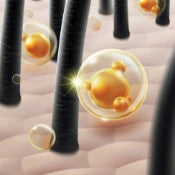
Copper PCA for Skincare is a multifunctional cosmetic ingredient used in formulations developed for sebum regulation, oil control, hydration, and skin conditioning. By combining copper with Pyrrolidone Carboxylic Acid (PCA), it helps balance excess sebum while supporting the skin's natural moisture content, making it suitable for products developed for oily, combination, and blemish-prone skin.
Unlike conventional oil-control ingredients that primarily reduce surface oil, Copper PCA supports sebum balance while contributing to hydration, antioxidant protection, and skin barrier support within a single formulation. This multifunctional profile allows formulators to develop products that control shine without compromising skin comfort, making it suitable for facial serums, moisturizers, gels, and lightweight emulsions.
A successful Copper PCA Cosmetic Formulation depends on selecting the appropriate usage level, maintaining the recommended formulation pH, ensuring ingredient compatibility, and following suitable processing conditions. For new product development, formulators often review the technical capabilities of a Copper PCA manufacturer alongside formulation performance when selecting cosmetic raw materials.
This guide explains how Copper PCA works in cosmetic formulations, why formulators use it, recommended usage levels, formulation guidelines, stability considerations, compatibility, applications, and common formulation mistakes.
What is Copper PCA?
Copper PCA is the copper salt of Pyrrolidone Carboxylic Acid (PCA), a naturally occurring component of the skin's Natural Moisturizing Factor (NMF). It combines the moisture-binding properties of PCA with the cosmetic functionality of copper, allowing a single ingredient to perform multiple roles within a formulation.
As a Copper PCA Sebum Regulator, it is primarily used to help improve the appearance of oily skin while maintaining hydration. Its multifunctional profile also supports Copper PCA Hydration, Copper PCA Skin Barrier Support, Copper PCA Skin Conditioning, and antioxidant-focused skincare formulations.
Copper PCA is commonly incorporated into lightweight emulsions, gels, facial serums, moisturizers, toners, and face creams where oil control and hydration are required together. Its compatibility with modern cosmetic systems allows formulators to develop products that balance skin comfort with visible oil reduction.
How Copper PCA Works in Cosmetic Formulations
Within a Copper PCA Cosmetic Formulation, the PCA component functions as a humectant that helps retain moisture, while copper contributes to sebum regulation, antioxidant activity, and skin conditioning. Together, these functions support balanced skincare formulations designed for daily use.
Copper PCA for Skincare is frequently incorporated into formulations developed for oily and acne-prone skin because it helps reduce the appearance of excess sebum without relying on aggressive drying ingredients. This makes it suitable for products that require both oil control and long-term skin comfort.
Its multifunctional properties also allow formulators to combine hydration, sebum balance, antioxidant protection, and skin conditioning within a single formulation. This flexibility makes Copper PCA suitable for a wide range of cosmetic products while maintaining elegant formulation aesthetics and processing simplicity.
Why Formulators Choose Copper PCA
Formulators select Copper PCA because it delivers multiple cosmetic functions without increasing formulation complexity. It supports oil-control products while helping maintain hydration and overall skin comfort, making it suitable for both daily skincare and targeted treatment formulations.
- Helps regulate excess sebum without excessive skin drying.
- Suitable for water-based and emulsion formulations.
- Supports multifunctional skincare product development.
- Compatible with a wide range of cosmetic ingredients.
- Performs effectively at low incorporation levels.
- Suitable for products developed for oily and combination skin.
Key Benefits of Copper PCA
|
Benefit |
Formulation Relevance |
|
Sebum Regulation |
Helps control excess surface oil. |
|
Oil Control |
Supports products developed for oily skin. |
|
Hydration |
Helps maintain the skin's moisture balance. |
|
Skin Barrier Support |
Complements barrier-focused formulations. |
|
Skin Conditioning |
Improves overall skin feel and appearance. |
|
Antioxidant Support |
Helps protect against environmental oxidative stress. |
|
Anti-Aging Support |
Supports formulations targeting visible signs of aging. |
Copper PCA for Skincare provides more than oil control alone. Its ability to combine hydration, skin conditioning, antioxidant support, and sebum regulation allows formulators to develop balanced skincare products without relying on multiple specialty ingredients.
Recommended Usage Levels and pH Considerations
The appropriate Copper PCA Usage Level depends on the product type and formulation objective. Selecting the correct concentration and maintaining the recommended pH helps achieve consistent formulation performance.
|
Product Type |
Typical Usage Level |
Recommended pH |
|
Facial Serum |
0.1–1.0% |
5.0–6.5 |
|
Moisturizer |
0.1–0.5% |
5.0–6.5 |
|
Face Cream |
0.1–0.5% |
5.0–6.5 |
|
Gel |
0.1–1.0% |
5.0–6.5 |
|
Toner |
0.05–0.3% |
5.0–6.5 |
The final Copper PCA Usage Level should be optimized based on the complete formulation and validated through stability and compatibility testing.
Key Formulation Guidelines
A successful Copper PCA Cosmetic Formulation depends on selecting compatible ingredients and maintaining appropriate formulation conditions throughout development.
- Maintain the recommended formulation pH.
- Incorporate during the recommended manufacturing stage.
- Use gentle mixing during processing.
- Verify compatibility with all active ingredients.
- Select a suitable preservation system.
- Optimize viscosity for the target product.
- Validate the formulation through stability testing.
- Select packaging appropriate for the finished formulation.
Formulation Stability and Processing Considerations
Proper processing helps maintain Copper PCA Compatibility and long-term formulation stability.
|
Parameter |
Recommendation |
|
Incorporation Stage |
Cool-down phase or supplier recommendation |
|
Processing Temperature |
Avoid prolonged high temperatures |
|
Mixing |
Gentle, low-shear mixing |
|
Heat Exposure |
Minimize unnecessary heating |
|
Stability Testing |
Accelerated, real-time and freeze-thaw |
|
Packaging |
Airless or opaque packaging where appropriate |
|
Compatibility |
Verify with all formulation ingredients before scale-up |
Following appropriate Copper PCA Processing Conditions helps maintain consistent product quality from laboratory development through commercial manufacturing.
Best Ingredient Combinations
Copper PCA performs best when combined with ingredients that complement hydration, barrier support, and skin-conditioning functions. Selecting compatible ingredients helps improve overall formulation performance while maintaining product stability.
|
Ingredient |
Formulation Benefit |
|
Supports sebum balance and skin barrier function. |
|
|
Sodium PCA |
Enhances skin hydration and moisture retention. |
|
Hyaluronic Acid |
Improves hydration and skin feel. |
|
Panthenol |
Supports skin conditioning and comfort. |
|
Zinc PCA |
Complements oil-control formulations. |
|
Strengthen barrier-support systems. |
|
|
Allantoin |
Helps improve skin comfort. |
|
Supports moisturization and reduces dryness. |
Applications of Copper PCA
Copper PCA is suitable for formulations requiring oil control without compromising hydration. Its multifunctional properties make it applicable across both daily skincare and targeted treatment products.
Common Applications
|
Product |
Formulation Purpose |
|
Facial Serums |
Sebum regulation and hydration. |
|
Face Creams |
Oil balance and skin conditioning. |
|
Moisturizers |
Daily hydration for combination skin. |
|
Gel Moisturizers |
Lightweight oil-control formulations. |
|
Acne-Prone Skin Products |
Sebum management and skin comfort. |
|
Toners |
Daily oil-control care. |
Copper PCA Cosmetic Formulation is commonly used in products developed for oily, combination, and blemish-prone skin where hydration and oil control are required together.
Copper PCA vs Zinc PCA
|
Parameter |
Copper PCA |
Zinc PCA |
|
Primary Function |
Sebum regulation with hydration |
Sebum regulation |
|
Hydration Support |
High |
Moderate |
|
Skin Conditioning |
Excellent |
Good |
|
Antioxidant Support |
Yes |
Limited |
|
Oil Control |
Excellent |
Excellent |
|
Suitable Skin Type |
Oily, combination, acne-prone |
Oily and acne-prone |
Copper PCA is often selected when formulations require balanced oil control together with hydration and skin conditioning, while Zinc PCA is generally preferred for products focused primarily on reducing excess sebum.
Common Formulation Mistakes
Proper formulation design helps maintain Copper PCA performance and long-term product stability.
- Using excessive Copper PCA concentration.
- Formulating outside the recommended pH range.
- Ignoring ingredient compatibility.
- Using unsuitable processing conditions.
- Skipping stability validation.
- Selecting inappropriate packaging.
Final Thoughts
Copper PCA for Skincare offers a practical approach to developing formulations that require oil control without sacrificing hydration or skin comfort. Instead of addressing a single concern, it allows formulators to build products that combine sebum regulation, skin conditioning, antioxidant support, and barrier-focused care within one formulation system.
This multifunctional profile makes Copper PCA suitable for daily skincare products developed for oily, combination, and acne-prone skin, where maintaining long-term skin balance is as important as reducing excess sebum. During ingredient selection, many formulators also evaluate a Copper PCA manufacturer for consistent raw material quality and technical documentation, ensuring the finished formulation performs consistently from development through commercial production.