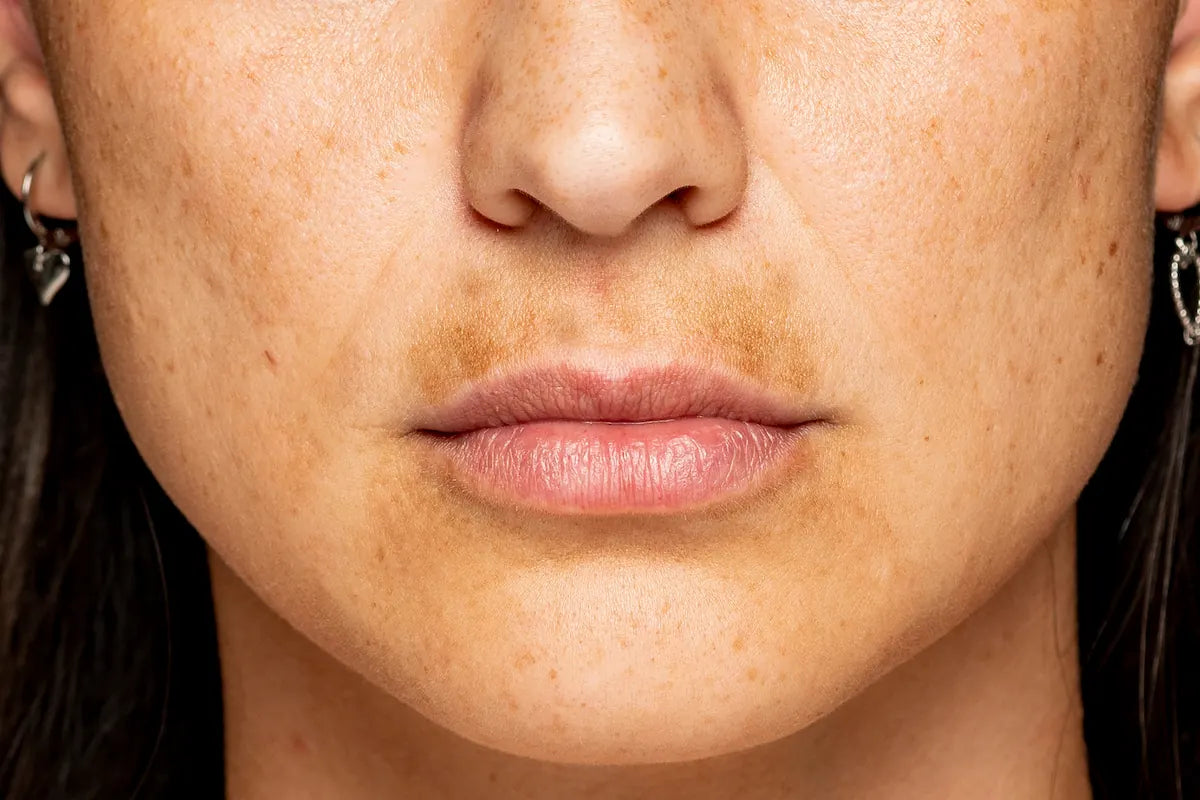
Hyperpigmentation remains one of the most challenging skin concerns to address in cosmetic formulation. Whether targeting melasma, age spots, or post-inflammatory marks, R&D teams need actives that deliver measurable results without the regulatory baggage of older ingredients. 4-Butylresorcinol has emerged as a leading solution offering potency that rivals hydroquinone while maintaining a cleaner safety profile suitable for global markets.
As demand continues rising globally, cosmetic brands are increasingly partnering with trusted Butylresorcinol Manufacturers for high-purity, formulation-ready brightening actives. This guide covers everything formulation scientists need to know: from the molecular mechanism driving its effectiveness to practical incorporation strategies, clinical evidence, and regulatory considerations for launching next-generation brightening products.
Why 4-Butylresorcinol for Hyperpigmentation?
4-Butylresorcinol (4-nBR) is a synthetic phenolic compound that directly targets melanin production by inhibiting the activity of the tyrosinase enzyme, the rate-limiting catalyst in melanogenesis. With an in vitro IC50 in the low micromolar range, it ranks among the most potent tyrosinase inhibitors available for cosmetic use today. The compound works by limiting tyrosinase activity at the enzymatic level, preventing the conversion of L-tyrosine to melanin precursors within melanocytes. This mechanism makes it effective for conditions including melasma, age spots, freckles, and post-inflammatory hyperpigmentation.
4-Butylresorcinol is recognized as one of the most potent skin-lightening agents in cosmetics, offering formulators a clinically supported active for topical treatment of pigmentation disorders. Flychem supplies high-purity, certified vegan 4-butylresorcinol as a B2B ingredient for cosmetic and dermocosmetic brands worldwide. Our cosmetic-grade material meets the demands of brands seeking clean-label, cruelty-free actives backed by analytical documentation.
Compared to legacy actives, 4-butylresorcinol offers distinct advantages:
- Hydroquinone: Effective but carries ochronosis risks, regulatory bans in several markets, and often requires a prescription
-
Kojic acid: Weaker inhibition, stability challenges, higher irritation potential
- Arbutin: Significantly lower direct enzyme inhibition, sometimes converts to hydroquinone in vivo
The following sections guide R&D teams through mechanisms, clinical evidence, formulation strategies, and regulatory considerations for successful product development.

4-Butylresorcinol Chemical Structure, Molecular Properties, and Cosmetic Formulation Profile
4-Butylresorcinol is chemically known as 1,3-dihydroxy-4-n-butylbenzene-a resorcinol derivative with an n-butyl substituent at the 4-position. This structural modification transforms the basic resorcinol scaffold into a highly effective active for skin-brightening formulations.
Key Identifiers
|
Property |
Specification |
|
INCI Name |
Butylresorcinol |
|
CAS Number |
18979-61-8 |
|
Molecular Formula |
C₁₀H₁₄O₂ |
|
Molecular Weight |
~166.22 g/mol |
|
Appearance |
White to off-white crystalline powder |
|
Purity (cosmetic grade) |
≥98% |
The dihydroxybenzene core provides the foundation for tyrosinase binding, while the n-butyl chain increases lipophilicity compared to unsubstituted resorcinol. This enhanced lipophilicity improves membrane penetration and binding affinity to human tyrosinase’s active site.
Physicochemical Properties Relevant to Formulation
- LogP: Approximately 2.4-2.8, indicating moderate lipophilicity
- Melting point: 68-70°C
- Water solubility: Limited; slightly soluble
- Solubility in glycols: Good (propylene glycol, butylene glycol)
- Thermal stability: Moderate under typical cosmetic processing; stable below the melting point
Flychem’s grade is manufactured under cosmetic GMP with full analytical documentation, including Certificate of Analysis, Technical Data Sheet, and Safety Data Sheet available for R&D and regulatory teams.
How 4-Butylresorcinol Works: Tyrosinase Inhibition and Melanin Reduction Mechanism
Melanin synthesis occurs within melanocytes through an enzymatic cascade. Tyrosinase catalyzes the conversion of L-tyrosine to L-DOPA, then to dopaquinone, the committed step in melanogenesis. Tyrosinase-related proteins (TRP-1, TRP-2) contribute to downstream reactions, but tyrosinase remains the primary therapeutic target.
4-n-Butylresorcinol acts as a highly effective tyrosinase inhibitor through competitive or mixed inhibition at the enzyme’s active site. Research indicates it inhibits both tyrosinase and TRP-1, providing dual-pathway interference with melanin production. This double-targeting contributes to its robust effectiveness in reducing pigmentation.
In vitro studies have demonstrated that 4-butylresorcinol has a low IC50 value of 13.5 μmol/L for inhibiting human tyrosinase, making it one of the most potent inhibitors compared to other compounds like kojic acid and hydroquinone. Additionally, 4-butylresorcinol has been shown to achieve complete inhibition of tyrosinase at concentrations above 100 μmol/L, indicating its strong potential as a skin-lightening agent.
Comparative IC50 Values (Human Tyrosinase Assays):
|
Compound |
IC50 Range |
|
4-n-Butylresorcinol |
~13.5-21 μmol/L |
|
4-Hexylresorcinol |
~94 μmol/L |
|
4-Phenylethylresorcinol |
~131 μmol/L |
|
Kojic acid |
~400-600 μmol/L |
|
Millimolar range |
|
|
Hydroquinone |
Millimolar range (direct enzyme assay) |
4-Butylresorcinol has a reported IC50 of 13.5 μmol/L for inhibiting melanin production, making it a more potent inhibitor than kojic acid and arbutin, which have much higher IC50 values. This potency advantage means formulators can achieve meaningful melanin content reduction at lower use concentrations, typically 0.1-0.3%, creating gentler formulations without sacrificing effectiveness.
Clinical Studies and In Vitro Evidence Supporting 4-Butylresorcinol for Hyperpigmentation
The evidence supporting 4-butylresorcinol spans the full development pathway: enzyme kinetics, reconstructed skin models, and controlled human trials. This layered validation enables confident claims for hyperpigmentation treatment in finished products.
Skin Model Data
Reconstructed skin models like MelanoDerm provide a bridge between enzyme assays and human studies. In these models, 4-n-butylresorcinol reduces melanin production with IC50 values around 10-20 μmol/L-substantially outperforming kojic acid and arbutin at equivalent doses. Comparative work shows 4-nBR achieving stronger pigment reduction than hydroquinone at concentrations above approximately 20 μmol/L while maintaining better cellular tolerance in melanocyte cultures.

Clinical Trial Outcomes
Clinical studies conducted between 2005 and 2025 provide robust evidence for real-world effectiveness. In clinical evaluations, a 0.1% concentration of 4-butylresorcinol significantly reduces dark spots within 8 weeks when applied twice daily. A landmark split-face randomized controlled trial used liposome-encapsulated 0.1% 4-nBR cream in patients with melasma. Results showed:
- Statistically significant melanin index reduction at week 4 (p = 0.006)
- Strongly significant improvement by week 8 (p < 0.0005)
- No serious adverse reactions; mild, transient irritation only
In clinical studies, 4-butylresorcinol has shown significant efficacy in reducing the appearance of age spots, with visible improvement noted after 4 to 12 weeks of treatment. Furthermore, 4-butylresorcinol has demonstrated that visible improvement is noted after 4 weeks of treatment and continued lightening is observed even after treatment cessation, suggesting lasting modification of melanocyte behavior.
Comparative clinical work has evaluated 4-nBR against related resorcinols. Age-spot studies using twice-daily application demonstrated that 4-butylresorcinol formulations showed faster onset and stronger pigment reduction than products with 4-hexylresorcinol or 4-phenylethylresorcinol at comparable use levels.
Evidence Limitations
Transparency requires acknowledging gaps. Most studies on 4-butylresorcinol are short-term with small sample sizes, making it difficult to assess its long-term safety and effectiveness. Many trials were single-center with modest participant numbers, limited ethnic diversity beyond Asian populations, and varying formulation bases.
Large multicenter head-to-head studies against hydroquinone remain scarce. Flychem uses this evidence base to support technical marketing claims such as “helps visibly reduce dark spots and uneven tone in as little as 4-8 weeks” when formulated at appropriate levels and combined with sunscreen.
Formulating with 4-Butylresorcinol: Practical Guidelines
This section provides actionable guidance for formulation scientists on dosage ranges, solubility strategies, compatibility considerations, and product format options.
Recommended Use Levels
In cosmetic formulations, 4-butylresorcinol is typically used at concentrations of 0.1% to 0.3%, with some spot treatments using up to 1.0%. Specific guidance:
- All-face brightening serums and creams: 0.1-0.3%
- Localized dark spot correctors: Up to ~1.0%
- Always verify: Regional regulatory limits and conduct in-house safety assessments
Solubility and Incorporation
4-Butylresorcinol presents solubility challenges requiring strategic formulation:
- Water solubility: Limited; avoid direct addition to aqueous phase
-
Recommended approach: Pre-dissolve in glycols (propylene glycol, butylene glycol), ethanol, certain esters, or oils before emulsification
-
Processing tip: Add during the cool-down phase when possible to minimize oxidation
Product Format Options
Multiple delivery systems work effectively with 4-nBR:
-
Oil-in-water creams and gel-creams
- Serums with mixed solvent systems
- Anhydrous sticks for targeted application
- Nanoemulsions for enhanced penetration
- Encapsulated systems for controlled release
Advanced Delivery Systems
The stability and effectiveness of 4-butylresorcinol can be improved using advanced formulation technologies like nanoemulsions and liposomal delivery systems. Research demonstrates impressive results:
- The encapsulation rate of 4-n-butylresorcinol in nanoemulsion formulations can reach up to 80.05 ± 0.75%, indicating a good encapsulation effect
- 4-n-butylresorcinol nanoemulsions showed no aggregation, sedimentation, or phase transition after 24 hours of storage at various temperatures, demonstrating good stability
- The viscosity of 4-n-butylresorcinol nanoemulsions can be adjusted without affecting the particle size and dispersion, which is crucial for formulation consistency
- The formulation of 4-butylresorcinol in cosmetic products can enhance transdermal delivery efficiency, reducing the irritability associated with the original compound
Synergistic Combinations
Building multi-pathway brightening systems enhances overall product performance. It is often combined with other brightening ingredients like niacinamide and tranexamic acid to address pigmentation through multiple pathways. Consider:
- Niacinamide: Reduces melanosome transfer.
- Vitamin C derivatives: Antioxidant support, additional melanin inhibition.
- Azelaic acid: Complementary mechanism, anti-inflammatory.
- Licorice and mulberry extracts: Natural brightening support.
- Peptides: MITF pathway modulation.
pH and Stability Considerations
- Optimal pH range: 4.5-6.0 (compatible with skin barrier)
- Antioxidant systems: Include tocopherol and chelators (EDTA) to prevent phenolic oxidation
- Packaging: Opaque, airless containers minimize light and oxygen exposure
- UV filter compatibility: Test for interactions with chemical sunscreens
Flychem offers formulation support, including prototype brightening serums combining 4-butylresorcinol with our KOSAVA™ (Encapsulated Salicylic Acid) and vegan peptides for global tone correction and texture refinement.
 Safety, Tolerability, and Regulatory Considerations
4-n-Butylresorcinol demonstrates good dermal tolerability at cosmetic use concentrations, with low rates of irritation reported in published studies and internal patch tests. Understanding its safety profile helps formulators make informed development decisions.
Tolerability Data
Clinical studies consistently report favorable tolerance:
- Good local tolerance in 4-16 week facial application studies
- Absence of ochronosis and mutagenicity concerns historically associated with long-term, high-dose hydroquinone
- 4-Butylresorcinol appears to be relatively safe with good tolerance, but irritation can occur, especially when combined with other active ingredients
However, 4-butylresorcinol can cause mild irritation at high concentrations, necessitating the use of stabilized derivatives or lower concentrations in commercial products. Transient irritation occurs mainly when combined with multiple aggressive actives.
Antioxidant Benefits
Beyond tyrosinase inhibition, 4-butylresorcinol is a highly effective antioxidant that protects the skin from oxidative stress and UV damage, adding functional value to brightening formulations.
Regulatory Status
As of 2026, 4-butylresorcinol is permitted as a cosmetic ingredient in many key markets:
|
Region |
Status |
|
European Union |
Permitted; restricted to ~1% leave-on facial, ~2% rinse-off |
|
United States |
Permitted; no explicit FDA restrictions |
|
UK |
Permitted under retained EU regulations |
|
Asia (Korea, Japan) |
Widely used in OTC cosmetics |
|
Latin America |
Generally permitted; verify local requirements |
Brands must verify current regional regulations before launch.
Best Practice Recommendations
- Recommend patch testing for sensitive individuals
- Avoid use on compromised skin
- Mandatory daily broad-spectrum SPF to prevent rebound hyperpigmentation
- Consider advising against use during pregnancy and breastfeeding as a precaution (limited data)
Data Gaps
Limited long-term (>1 year) safety datasets exist, and information for use during pregnancy and breastfeeding remains insufficient. Cosmetic labels should typically advise caution for these populations. Flychem provides regulatory dossiers, safety datasheets, and toxicological summaries to support customers’ product safety assessments and PIF/CPNP submissions in Europe.
Application Concepts and Flychem Support for Brand Differentiation
Current market trends drive demand for hydroquinone-free brightening solutions with clinical support and vegan, cruelty-free credentials. 4-Butylresorcinol fits precisely within this landscape, offering formulators a powerful active that meets consumer expectations and regulatory requirements across global markets.
Concept Applications
Daily Brightening Serum for Uneven Skin Tone
- 0.15% 4-butylresorcinol in lightweight gel-serum
- Combined with niacinamide and a vitamin C derivative
- Target: General tone correction, prevention
Targeted Dark Spot Corrector
- 0.5-1.0% 4-butylresorcinol in precision applicator
- Nanoemulsion delivery for enhanced penetration
- Target: Stubborn age spots, localized hyperpigmentation
Melasma-Support Night Cream
- 0.2% 4-butylresorcinol in rich emulsion
- Combined with azelaic acid and peptides
- Target: Hormonal pigmentation, overnight repair
Post-Inflammatory Care for Acne-Prone Skin
- 0.1% 4-butylresorcinol with KOSAVA™ encapsulated salicylic acid
- Oil-in-water gel-cream texture
- Target: PIH from acne, smoother texture

Tailoring Performance Through Formulation
- Sensitive skin: Slower-release encapsulated formats, lower concentrations
- Stubborn spots: Higher-load targeted treatments with enhanced penetration
- Travel-friendly: Waterless stick formats for on-the-go application
- Day products: Robust antioxidant and UV filter integration
Final Thoughts
4-Butylresorcinol has become one of the most effective cosmetic actives for targeting hyperpigmentation, melasma, dark spots, and uneven skin tone. Its strong tyrosinase inhibition, low use-level efficiency, and compatibility with modern skincare systems make it a valuable ingredient for advanced brightening formulations.
As demand continues to grow globally, cosmetic brands are increasingly working with trusted 4-Butylresorcinol Manufacturers in India and reliable 4-Butylresorcinol Suppliers for high-purity formulation-ready ingredients. With proper formulation design, stabilization, and ingredient pairing, brands can develop high-performance brightening products that align with current consumer demand for clinically inspired and hydroquinone-free skincare solutions.
Why Brands Choose Flychem for 4-Butylresorcinol
Flychem supports cosmetic brands and formulators with high-purity cosmetic-grade 4-Butylresorcinol for advanced skin-brightening formulations. Along with ingredient supply, we help R&D teams simplify formulation development, stability optimization, and product testing for modern pigmentation-care products. Our support includes:
- Customized prototype development
- Lab-scale formulation support
- Stability testing assistance
- Technical guidance for R&D teams
- Regulatory documentation packages
- 4-Butylresorcinol Low MOQ & Trial Pack support
- 4-Butylresorcinol Sample for Cosmetic Formulation
As one of the growing 4-Butylresorcinol Manufacturers and Suppliers in India, Flychem helps brands develop effective brightening solutions for serums, creams, and dark spot correction products. Contact Flychem today for samples, formulation support, and bulk ingredient inquiries.
Frequently Asked Questions (FAQ)
Which skin concerns can 4-Butylresorcinol target?
4-Butylresorcinol is commonly used for melasma, post-inflammatory hyperpigmentation, acne marks, sun spots, age spots, and uneven skin tone formulations.
Can 4-Butylresorcinol be used in both day and night skincare products?
Yes, it can be incorporated into both daytime and nighttime formulations, although daytime products should always include broad-spectrum UV protection to prevent further pigmentation.
Which skincare formats are best for 4-Butylresorcinol?
4-Butylresorcinol works well in serums, gel-creams, dark spot correctors, emulsions, encapsulated systems, and nanoemulsion-based brightening products.
Why do brands prefer hydroquinone-free brightening formulations?
Hydroquinone-free formulations are increasingly preferred due to growing consumer demand for safer, globally accepted brightening products with fewer regulatory concerns and better long-term cosmetic positioning.
What should brands check before sourcing 4-Butylresorcinol from suppliers?
Brands should evaluate purity level, formulation compatibility, regulatory documentation, stability support, and whether the supplier provides Low MOQ, trial packs, and formulation samples for R&D testing.