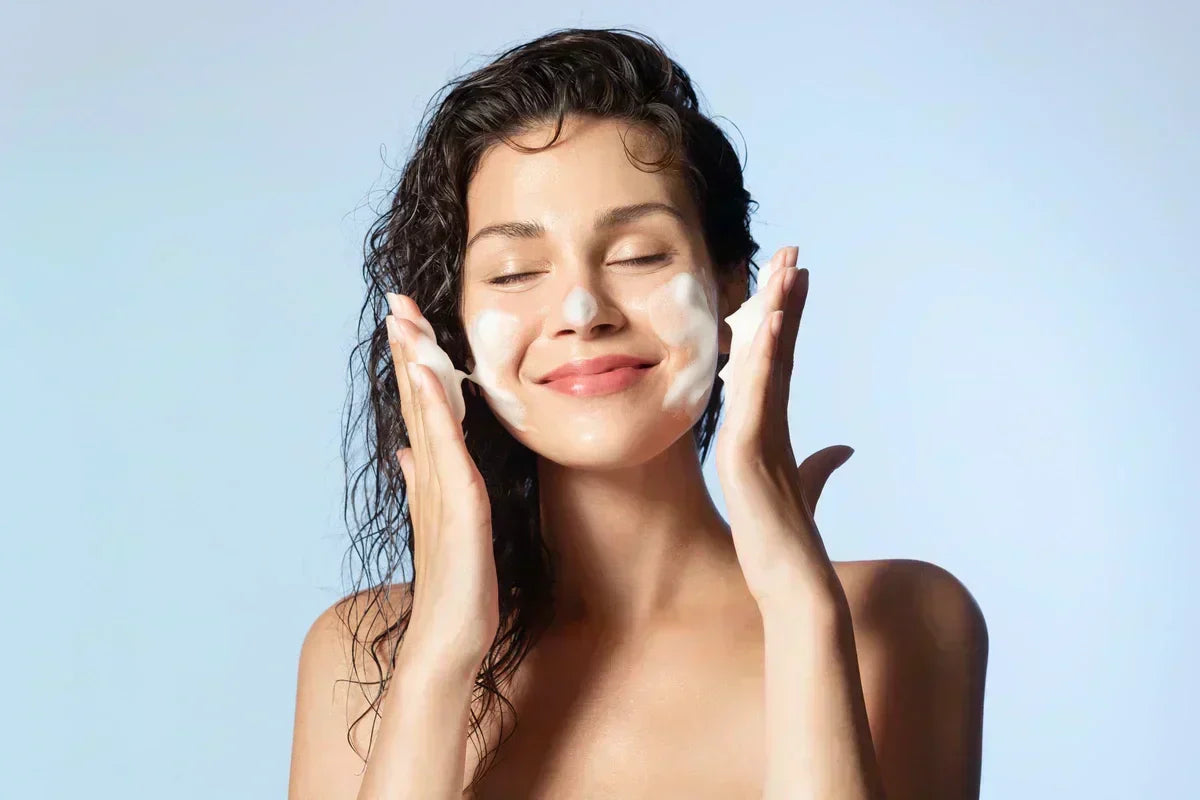
Sodium Cocoyl Glutamate in cosmetic formulation is a mild amino acid surfactant widely used in sulfate-free facial cleansers, shampoos, baby care products, and sensitive skin cleansing systems. Derived from coconut fatty acids and glutamic acid, it helps formulators create gentle cleansing products with creamy foam, low irritation potential, and improved skin compatibility.
Unlike traditional sulfate surfactants, Sodium Cocoyl Glutamate supports softer cleansing with reduced dryness and better barrier comfort, making it highly suitable for modern clean beauty and scalp-friendly formulations.
|
Parameter |
Details |
|
INCI Name |
Sodium Cocoyl Glutamate |
|
Ingredient Type |
Amino acid surfactant |
|
Surfactant Class |
Anionic |
|
Main Function |
Mild cleansing |
|
Foam Profile |
Creamy and stable |
|
Sulfate-Free Positioning |
Yes |
|
Sensitive Skin Compatibility |
High |
|
Recommended pH |
5.0–6.5 |
|
Biodegradability |
Readily biodegradable |
Why Sodium Cocoyl Glutamate is Popular in Sulfate-Free Cleansers
The demand for sulfate-free cleansing products has increased significantly across skincare, haircare, baby care, and scalp-focused personal care categories. Consumers now associate harsh sulfate systems with dryness, scalp irritation, color fading, and barrier disruption.
As a result, formulators increasingly use Sodium Cocoyl Glutamate as part of modern cleansing systems designed around:
- gentle cleansing
- skin comfort
- scalp wellness
- barrier preservation
- microbiome-conscious skincare
- clean beauty positioning
One of the biggest advantages of Sodium Cocoyl Glutamate is its ability to support “gentle but effective” cleansing. Unlike harsh sulfate systems that aggressively strip oils from the skin and scalp, amino acid surfactants help maintain a softer cleansing profile while still removing sweat, pollution particles, sebum, and makeup residues efficiently.
This balance has made Sodium Cocoyl Glutamate increasingly important in:
- sulfate-free facial cleansers
- premium shampoos
- baby care systems
- intimate hygiene products
- dermo-cosmetic cleansers
- barrier-friendly cleansing products
 What is Sodium Cocoyl Glutamate?
Sodium Cocoyl Glutamate is the sodium salt formed from the reaction between glutamic acid and coconut-derived fatty acids. It belongs to the acyl glutamate family, one of the mildest classes of anionic surfactants used in cosmetic and personal care products.
Its structure contains:
- a hydrophobic coconut-derived fatty acid chain
- a hydrophilic glutamate amino acid head group
This amphiphilic structure allows the ingredient to reduce surface tension and form micelles capable of trapping oils, dirt, sweat, and impurities for easy rinsing.
In cosmetic formulations, Sodium Cocoyl Glutamate may be supplied as:
- liquid surfactant concentrates
- powders
- flakes
- semi-solid systems
Many commercial grades are supplied around 30% active matter, although concentration levels vary depending on supplier and formulation purpose.
The ingredient is often grouped alongside related surfactants such as:
- Disodium Cocoyl Glutamate
- Potassium Cocoyl Glutamate
- other amino acid-based surfactants
However, each variant demonstrates different:
- foam characteristics
- viscosity behavior
- solubility
- sensory performance
You may be interested in: Idebenone in Skincare: Benefits, Stability, and Formulation Guide
How Sodium Cocoyl Glutamate Works in Cleansing Systems
Sodium Cocoyl Glutamate functions as an amino acid-based anionic surfactant that reduces surface tension between water and oils.
Its mechanism involves:
- surrounding oils and impurities with micelles
- dispersing sebum and dirt particles into water
- enabling efficient rinsing without excessive stripping
Compared with traditional sulfate surfactants, Sodium Cocoyl Glutamate demonstrates:
- lower protein denaturation potential
- reduced disruption of skin barrier lipids
- softer after-feel
- lower irritation potential
The glutamate portion also contributes to improved biocompatibility with the skin and scalp environment. This helps explain why acyl glutamates are widely used in:
- sensitive skin cleansers
- scalp-friendly shampoos
- baby care systems
- daily-use cleansing products
Its foam profile is also commercially important. Sodium Cocoyl Glutamate produces:
- creamy foam
- smooth lather
- soft rinse feel
- reduced squeaky after-feel
These sensory characteristics are highly valued in premium sulfate-free formulations.
Why Sodium Cocoyl Glutamate is Considered a Mild Cleansing Agent
Modern cleansing formulations are increasingly designed around skin comfort rather than aggressive oil removal. Consumers now expect cleansers that remove sweat, dirt, excess sebum, sunscreen residue, and pollution particles without causing tightness, dryness, or scalp discomfort after washing.
Sodium Cocoyl Glutamate is considered a mild cleansing agent because it helps maintain this balance between effective cleansing and skin barrier compatibility. Its amino acid-derived structure allows formulators to create sulfate-free cleansing systems with lower irritation potential and improved sensory feel.
Unlike aggressive surfactants that may excessively strip natural oils, Sodium Cocoyl Glutamate supports a softer cleansing profile while still maintaining good foam quality and cleansing performance.
Because of these characteristics, Sodium Cocoyl Glutamate is widely used in formulations developed for:
- sensitive skin
- reactive skin
- dry skin
- compromised skin barriers
- color-treated hair
- scalp-friendly shampoos
- infant and baby care products
Its ability to support gentle cleansing while maintaining premium sensory performance has made it increasingly important in modern sulfate-free skincare and haircare systems.
|
Mildness Factor |
Why It Matters |
|
Lower protein denaturation |
Helps reduce irritation potential |
|
Reduced barrier disruption |
Supports skin comfort after cleansing |
|
Creamy foam texture |
Improves sensory experience |
|
Softer cleansing profile |
Reduces post-wash dryness |
|
Better scalp compatibility |
Suitable for dry and damaged hair |
|
Reduced squeaky after-feel |
Creates smoother rinse feel |
Benefits of Sodium Cocoyl Glutamate in Cosmetic Formulations
Sodium Cocoyl Glutamate is a preferred cleansing agent for facial cleansers, body washes, bath products and baby care because it balances performance with skin comfort. Sodium Cocoyl Glutamate is often used in facial cleansers, shampoos, baby care products, shaving foams, and cosmetics.
Key skin care benefits include:
- Creamy, dense foam with a smooth texture
- Soft after-feel without stripping natural oils
- Lower risk of dryness after rinsing
- Suitability for dry, normal, sensitive and reactive skin
- Support for sulfate-free and vegan positioning
- Good compatibility with humectants and moisturizing actives
It produces a stable, creamy foam that enhances the sensory feel of washes and shampoos without breaking down quickly. It also lifts away dirt, sweat, and excess sebum without stripping the skin’s natural oils. Sodium Cocoyl Glutamate can effectively clean facial oil and dirt while avoiding tightness caused by excessive degreasing, making it suitable for dry, normal, and sensitive skin types.
Sodium Cocoyl Glutamate is considered non-comedogenic and is commonly used in formulations designed for acne-prone and sensitive skin. It also helps in breaking down makeup bases without leaving a greasy or sticky residue.
The pH target matters. It functions optimally within the skin’s natural acidic pH range (4.5–5.5), while many finished cocoyl glutamate cleanser systems are adjusted around pH 5.0–6.5 to support skin barrier function. Its hydrophilic groups help the skin hold onto hydration during cleansing, preventing a tight or dry after-feel.
For claim strategy, brands may use Sodium Cocoyl Glutamate to support:
- sulfate-free positioning
- gentle cleansing claims
- dermatologically tested sensitive skin concepts
- vegan surfactant positioning
From Flychem’s perspective, pairing Sodium Cocoyl Glutamate with humectants, peptides, ceramides, and other actives helps brands create treatment-focused cleansers rather than simple wash-off products.
|
Formulation Benefit |
Why It Matters in Modern Cleansers |
|
Improves premium sensory perception during cleansing |
|
|
Mild Cleansing Profile |
Reduces barrier disruption and post-wash tightness |
|
Non-Comedogenic Nature |
Suitable for acne-prone and oily skin products |
|
Makeup Removal Support |
Helps remove makeup residue without harsh degreasing |
|
Sensitive Skin Compatibility |
Suitable for reactive and compromised skin systems |
|
Sulfate-Free Positioning |
Supports clean beauty and gentle cleanser claims |
|
Humectant Compatibility |
Works well with glycerin, panthenol, and hyaluronic acid |
|
Helps maintain skin hydration during repeated washing |
|
|
Vegan Formulation Support |
Suitable for vegan and cruelty-free product positioning |
|
Daily-Use Compatibility |
Appropriate for frequent-use facial and body cleansers |

Sodium Cocoyl Glutamate for Sensitive Skin and Baby Care Products
Modern cleansing formulations increasingly focus on maintaining skin comfort during repeated daily use, especially in products developed for sensitive skin, baby care, intimate hygiene, and barrier-focused cleansing systems.
Sodium Cocoyl Glutamate is commonly used in these formulations because of its low irritation potential, soft foam texture, and compatibility with mildly acidic pH systems. Its amino acid-based structure helps formulators create gentle cleansing products that remove impurities without creating excessive dryness or post-wash tightness.
In baby care and sensitive skin formulations, Sodium Cocoyl Glutamate is often combined with amphoteric surfactants, glucosides, humectants, and soothing ingredients to create ultra-mild cleansing systems designed to improve skin comfort and reduce barrier disruption.
Key formulation advantages include:
- gentle cleansing for sensitive and reactive skin
- soft and creamy foam profile
- compatibility with tear-free cleansing concepts
- suitability for baby care and daily-use products
- support for barrier-friendly cleansing systems
Many formulators also use Sodium Cocoyl Glutamate in premium baby washes and sensitive skin cleansers where mildness and consumer comfort are major formulation priorities.
You may be interested in: Ceramide: The Essential Lipid for Healthy Skin Barrier Function
Role of Sodium Cocoyl Glutamate in Hair Care and Scalp-Friendly Shampoos
Mild surfactants are central to modern hair care, especially sulfate-free shampoos for damaged hair, curly hair, color-treated hair and sensitive scalps.
In hair care products, sodium cocoyl glutamate acts as a gentle surfactant that cleanses the scalp and hair without stripping natural oils, making it suitable for sensitive scalps and damaged hair. It removes sebum, styling polymers and pollution particles while helping reduce cuticle roughness and excessive frizz.
Because it is amino acid-based, it leaves skin feeling soft and hair highly manageable. That makes it suitable for shampoos where consumers want the hair to feel clean, but not squeaky or over-degreased.
Typical hair care uses include:
- Primary surfactant in mild shampoos
- Co-surfactant in micellar shampoos
- Low-foam cleansing conditioners
- Scalp treatments where barrier comfort is important
- Children’s shampoos and tear-free concepts
It is commonly used in ultra-mild tear-free baby washes and shampoos. It is also used in premium and natural-positioned hair care products where the scalp is treated more like facial skin. This “skinification of scalp” approach focuses on moisture, barrier comfort and reduced irritation instead of aggressive degreasing.
Recommended Dosage of Sodium Cocoyl Glutamate in Cosmetic Formulations
The recommended dosage of Sodium Cocoyl Glutamate depends on the formulation type, surfactant architecture, foam target, and desired sensory profile. In most commercial cleansing systems, Sodium Cocoyl Glutamate is used alongside secondary surfactants to improve foam density, viscosity behavior, rinse feel, and overall cleansing balance.
Commercial formulations commonly pair Sodium Cocoyl Glutamate with surfactants such as Cocamidopropyl Betaine, Coco Glucoside, and Decyl Glucoside to improve:
- foam richness
- viscosity stability
- mildness
- rinse profile
- long-term formulation stability
This becomes especially important in sulfate-free cleansing systems where surfactant architecture directly influences barrier compatibility, sensory performance, and consumer perception. Because amino acid surfactants behave differently from traditional sulfate systems, formulators typically optimize surfactant ratios through pilot-scale testing rather than direct one-to-one replacement strategies.
|
Application |
Recommended Use Level |
Active Matter |
|
Facial Cleansers |
6–20% |
2–6% |
|
Sulfate-Free Shampoos |
15–45% |
5–15% |
|
Body Washes |
15–35% |
5–12% |
|
Baby Care Products |
6–15% |
2–5% |
|
Intimate Hygiene Systems |
6–12% |
2–4% |
|
Micellar Cleansing Systems |
3–10% |
1–3% |
Formulation Strategy for Sodium Cocoyl Glutamate Systems
Successful Sodium Cocoyl Glutamate formulation depends on creating a balanced surfactant system rather than relying on a single cleansing ingredient alone. Modern sulfate-free formulations are designed not only for cleansing efficiency, but also for foam quality, skin comfort, viscosity stability, and overall sensory experience.
When developing amino acid surfactant systems, formulators typically focus on balancing:
- foam architecture
- cleansing performance
- viscosity behavior
- skin and scalp comfort
- preservation systems
- sensory elegance
Sodium Cocoyl Glutamate is rarely used alone in high-performance cleansing systems. Instead, it is commonly combined with secondary surfactants and foam-support ingredients to improve overall formulation performance.
Common surfactant pairings include:
- Cocamidopropyl Betaine
- Coco Glucoside
- Decyl Glucoside
- Lauryl Glucoside
- amphoteric surfactants
These combinations help optimize:
- foam richness
- foam persistence
- mildness
- rinse profile
- scalp comfort
Modern sulfate-free cleansing systems increasingly prioritize balanced cleansing and barrier comfort rather than aggressive degreasing performance.
Stability Profile and pH Considerations
Sodium Cocoyl Glutamate demonstrates relatively stable behavior in rinse-off systems, but formulation stability still depends heavily on:
- pH
- electrolyte balance
- rheology systems
- preservation
- fragrance compatibility
Many sulfate-free cleansing formulations fail during stability testing not because of the surfactant itself, but because the overall surfactant architecture, salt balance, and rheology system are not optimized correctly. Amino acid surfactants behave differently from traditional sulfate systems, especially when formulators attempt direct one-to-one replacement strategies.
Most formulators maintain Sodium Cocoyl Glutamate systems within mildly acidic ranges to support:
- skin barrier compatibility
- foam consistency
- viscosity stability
|
pH Range |
Performance Impact |
|
Below 4.5 |
Possible solubility reduction |
|
5.0–6.5 |
Optimal performance |
|
Above 7.5 |
Increased irritation risk |
Electrolyte response is especially important because Sodium Cocoyl Glutamate systems may not thicken predictably with salt alone. Excess electrolyte loading may destabilize viscosity, reduce foam quality, or negatively affect long-term formulation stability in poorly balanced systems.
Stability Profile and pH Considerations
Sodium Cocoyl Glutamate demonstrates relatively stable behavior in rinse-off systems, but long-term formulation stability still depends heavily on pH control, electrolyte balance, rheology design, preservation systems, and fragrance compatibility. Many sulfate-free cleansing formulations fail during stability testing not because of the surfactant itself, but because amino acid surfactants behave differently from traditional sulfate systems, especially when formulators attempt direct one-to-one replacement strategies.
Most formulators maintain Sodium Cocoyl Glutamate systems within mildly acidic ranges to support skin barrier compatibility, foam consistency, and viscosity stability. At lower pH levels, the glutamate structure begins to protonate, reducing water solubility and potentially causing haze formation or crystalline sediment. This is one of the most common stability issues observed in poorly optimized amino acid surfactant systems.
|
pH Range |
Performance Impact |
|
Below 4.5 |
Possible solubility reduction and haze formation |
|
5.0–6.5 |
Optimal performance and stability |
|
Above 7.5 |
Increased irritation risk |
Formulator’s Tip
If the formulation drops below pH 4.5, Sodium Cocoyl Glutamate may partially protonate, reducing clarity and increasing the risk of white crystalline sediment during storage. Electrolyte response is also important because these systems may not thicken predictably with salt alone. Excess electrolyte loading can destabilize viscosity, reduce foam quality, and negatively affect long-term formulation stability in poorly balanced systems.
Processing Considerations for Sodium Cocoyl Glutamate Formulations
Processing conditions strongly influence the final performance, foam stability, and rheology behavior of amino acid surfactant systems. Unlike traditional sulfate systems, Sodium Cocoyl Glutamate formulations often require more careful control of aeration, electrolyte balance, and viscosity building strategies during manufacturing.
|
Parameter |
Practical Guidance |
|
Mixing Speed |
Moderate speeds help reduce excessive aeration |
|
Heating |
Mild heating may improve surfactant handling |
|
Salt Addition |
Excess salt may destabilize viscosity |
|
Water Quality |
Hard water may affect rheology behavior |
|
Foam Control |
Excess aeration may reduce stability |
Many formulators rely on polymeric rheology systems instead of traditional salt-thickening approaches alone. Ingredients such as xanthan gum, hydroxyethylcellulose, Polyacrylate Crosspolymer-6, and Acrylates/C10-30 Alkyl Acrylate Crosspolymer are commonly used to improve viscosity stability and suspension behavior in sulfate-free cleansing systems.
Understanding Cold-Weather Haze and Krafft Point Behavior
One of the most common stability challenges with amino acid surfactants is low-temperature haze formation during refrigerator testing or cold-weather shipping. Sodium Cocoyl Glutamate has a relatively high Krafft point, meaning surfactant crystallization may occur under low-temperature conditions, leading to reduced clarity, viscosity instability, or visible precipitation.
To improve low-temperature stability, formulators commonly pair Sodium Cocoyl Glutamate with amphoteric surfactants or alkyl glucosides such as Coco Glucoside and Cocamidopropyl Betaine. These secondary surfactants help disrupt crystal packing behavior and improve transport stability in colder environments.
Best Ingredient Combinations with Sodium Cocoyl Glutamate
Many premium cleansing systems combine Sodium Cocoyl Glutamate with supporting ingredients to improve performance and sensory quality.
|
Ingredient |
Benefit |
|
Cocamidopropyl Betaine |
Foam enhancement |
|
Coco Glucoside |
Mild cleansing synergy |
|
Barrier support |
|
|
Ceramides |
Skin comfort |
| Hyaluronic Acid |
Hydration support |
|
Peptides |
Premium positioning |
These combinations help formulators create treatment-focused cleansers rather than simple wash-off systems.
Sodium Cocoyl Glutamate vs Traditional Sulfate Surfactants
Modern cleansing systems increasingly replace sulfates with milder amino acid surfactants.
|
Parameter |
Sodium Cocoyl Glutamate |
Traditional Sulfates |
|
Cleansing Profile |
Mild |
Aggressive |
|
Irritation Potential |
Low |
Moderate to High |
|
Foam Type |
Creamy |
Large aggressive foam |
|
Sensitive Skin Compatibility |
High |
Lower |
|
Better |
Lower |
|
|
Sulfate-Free Positioning |
Yes |
No |
This transition reflects broader consumer movement toward:
- scalp wellness
- barrier-friendly skincare
- clean beauty
- microbiome-focused cleansing

Common Formulation and R&D Mistakes with Sodium Cocoyl Glutamate
Several formulation problems occur when amino acid surfactants are handled like traditional sulfate systems.
Common mistakes include:
- expecting sulfate-like foam instantly
- excessive salt thickening
- poor pH optimization
- inadequate preservation testing
- excessive aeration during manufacturing
- poor fragrance compatibility testing
Many sulfate-free formulation failures result from poor surfactant system architecture rather than the ingredient itself.
Sustainability and Regulatory Profile
Sodium Cocoyl Glutamate aligns strongly with modern sustainability and clean beauty trends.
Key advantages include:
- biodegradable profile
- renewable feedstock origin
- vegan compatibility
- sulfate-free positioning
- low aquatic toxicity
The ingredient is broadly accepted across:
- EU cosmetic regulations
- US cosmetic systems
- Asian cosmetic markets
Many Sodium Cocoyl Glutamate Manufacturers also provide:
- vegan documentation
- cruelty-free support
- regulatory documentation
- COSMOS-related guidance
Applications Beyond Skin and Hair Care
Sodium Cocoyl Glutamate is increasingly used beyond traditional skincare and haircare formulations because of its mild cleansing profile, creamy foam, and low irritation potential.
|
Application Area |
Why It Is Used |
|
Toothpaste |
Gentle foaming with lower oral irritation potential |
|
Oral Care Systems |
Mild cleansing suitable for sensitive users |
|
Intimate Hygiene Products |
Supports low-irritation cleansing systems |
|
Dermo-Cosmetic Cleansers |
Suitable for barrier-focused formulations |
|
Pet Care Cleansers |
Mild cleansing for sensitive skin and fur |
|
Ultra-Mild Bath Systems |
Gentle cleansing for frequent-use products |
Its biodegradable profile and sensitive skin compatibility make it highly suitable for multiple modern cleansing applications beyond standard skincare and haircare products.
Final Thoughts
Sodium Cocoyl Glutamate in cosmetic formulation has become increasingly important for brands developing sulfate-free, scalp-friendly, and sensitive skin cleansing systems. Its amino acid-derived structure, creamy foam profile, and low irritation potential make it highly valuable for modern personal care products focused on skin comfort and barrier-friendly cleansing.
However, successful formulation depends on more than selecting a mild surfactant alone. Foam architecture, pH optimization, rheology systems, preservation, surfactant balancing, and sensory design all influence final product performance.
As consumers increasingly prioritize scalp wellness, microbiome-friendly cleansing, and sulfate-free skincare, cosmetic brands continue working with experienced Sodium Cocoyl Glutamate Manufacturers and Sodium Cocoyl Glutamate Suppliers to develop next-generation cleansing systems aligned with premium clean beauty expectations.