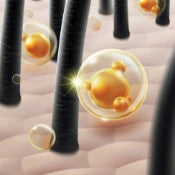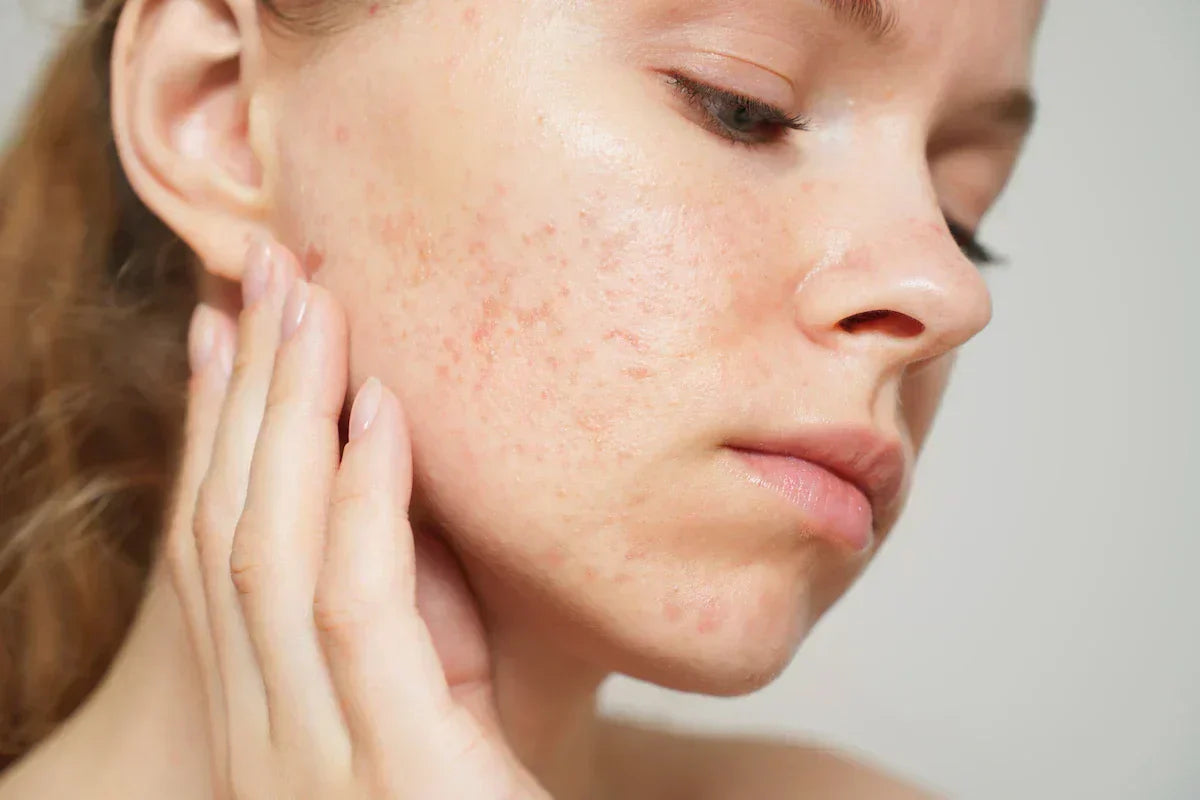
Encapsulated retinol is a stabilized form of Vitamin A where retinol is protected inside delivery systems like liposomes or polymer capsules. This improves stability, reduces irritation, and allows controlled release on the skin. It is typically used at 0.1% to 1%, works best in pH 5.0 to 6.5 systems, and is widely used in serums, creams, and treatment formulations where stability and skin tolerance are critical.
Why Traditional Retinol Fails in Formulation and Why Encapsulation Is Required
Retinol is highly unstable and easily degrades when exposed to air, light, and heat. In real-world formulation environments, this leads to reduced potency, color changes, and inconsistent product performance.
Another major issue is irritation. Free retinol releases quickly after application, creating a high concentration spike on the skin that often leads to redness and sensitivity. Encapsulation solves both problems by protecting retinol during storage and controlling its release during application, making it more suitable for modern formulations. This is one of the reasons many Encapsulated Retinol Manufacturers are increasingly focusing on controlled-release retinoid systems.
What Is Encapsulated Retinol in Cosmetic Formulations and Why It Matters for Stability
Encapsulated retinol refers to retinol enclosed within a protective carrier system that shields it from environmental stress. This allows formulators to maintain stability without relying on extreme formulation conditions. By isolating the active, encapsulation improves shelf life, reduces oxidation, and ensures consistent performance throughout the product lifecycle. For manufacturers, this means fewer failures and better batch consistency.
How Encapsulated Retinol Works in Formulations (Controlled Release and Stability Mechanism)
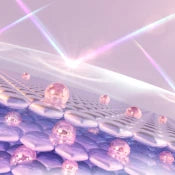
Encapsulated retinol works by delaying the release of the active until after application. Instead of immediate exposure, the retinol remains protected within the carrier system. Once applied, the system gradually releases retinol over time, allowing for sustained activity while reducing irritation risk.
- Protects from oxidation and UV exposure
- Releases gradually instead of instantly
- Reduces direct skin exposure
- Improves formulation stability
Controlled Release Profile of Encapsulated Retinol and Why It Reduces Irritation
One of the key advantages of encapsulated retinol is its controlled release behavior. Free retinol delivers a rapid dose, often overwhelming the skin barrier and triggering irritation. Encapsulated systems release retinol slowly over several hours, allowing the skin to absorb it more effectively without causing inflammation.
- Free retinol releases within ~60 minutes
- Encapsulated retinol releases over 6–8 hours
- Reduces irritation and improves tolerance
- Maintains consistent activity
Encapsulation Technologies Used in Retinol Formulations and Their Impact
Different encapsulation systems influence performance, release rate, and formulation compatibility.
- Liposomes improve penetration
- Solid lipid nanoparticles enhance stability
- Polymer systems control release
- Microcapsules improve handling
Choosing the right system depends on formulation goals and product positioning.

Benefits of Encapsulated Retinol in Cosmetic Formulations
Encapsulated retinol provides both formulation and commercial advantages over traditional retinol. Encapsulation allows formulators to overcome stability challenges while improving user experience and product performance.
- Improved stability against light, air, and heat
- Reduced irritation and better tolerance
- Controlled release for sustained activity
- Better compatibility with multi-active systems
- Longer shelf life and consistency
Also read: Niacinamide Explained: Benefits for Acne, Pigmentation, Aging & Skin Barrier
7 Reasons Why Encapsulated Retinol Is Better for Your Formulations
Encapsulation transforms retinol into a more formulation-friendly active by improving its stability and delivery profile. Instead of dealing with rapid degradation and irritation issues, formulators can design systems that are more controlled, consistent, and scalable for commercial production. This makes encapsulated retinol a preferred choice for modern cosmetic formulations where both performance and user experience are critical.
- Protects from oxidation → reduces degradation from light, air, and heat
- Enables controlled release → delivers retinol gradually over time
- Reduces irritation → lowers peak concentration on the skin
- Improves stability → extends shelf life and maintains efficacy
- Supports multi-active systems → integrates well with other ingredients
- Enhances consistency → ensures uniform performance across batches
- Enables premium positioning → supports high-performance product claims
Encapsulated retinol is no longer used only to improve stability. It is now becoming a core strategy for building modern retinoid systems that balance performance with skin comfort. This allows brands to develop stronger anti-aging claims while reducing the irritation concerns commonly associated with traditional retinol formulations. Because of this shift, many Encapsulated Retinol Suppliers are increasingly focusing on controlled-delivery retinoid technologies for premium skincare development.
Ideal pH Range for Encapsulated Retinol in Formulations for Maximum Stability and Performance
pH control is essential to maintain both the stability of retinol and the integrity of the encapsulation system. Unlike aggressive actives, retinol performs best in balanced environments.
- Recommended pH: 5.0 – 6.5
- Avoid extreme acidic or alkaline systems
- Maintain buffered formulations
This ensures stable performance and better skin compatibility.
The Formulator’s 60-Second Check for Encapsulated Retinol Systems
Before finalizing any formulation, key parameters should be validated to ensure long-term stability.
- pH: 5.0 – 6.5
- Temperature: Below 40°C
- Packaging: Airless or opaque
- Avoid UV exposure
- Maintain controlled processing
Recommended Dosage of Encapsulated Retinol in Cosmetic Formulations
Proper dosage is critical to balance efficacy and tolerance.
|
Application |
Level |
Notes |
|
Daily care |
0.1% – 0.3% |
Low irritation |
|
Serums |
0.3% – 0.5% |
Standard |
|
Treatments |
0.5% – 1% |
High-performance |
Dosage Precision: Active Retinol vs Encapsulated System (Formulation Calculation Guide)
A common mistake in formulation is confusing total material addition with actual active retinol content. If an encapsulated system contains only a percentage of active retinol, the final concentration must be calculated accordingly.
- 10% active system → 1% addition = 0.1% active retinol
- Always calculate based on the supplier COA
- Prevents underdosing and claim issues
How Encapsulated Retinol Integrates into Different Formulation Phases
Encapsulated retinol behaves differently from free retinol because it is delivered through a carrier system rather than as a simple oil-soluble active. It integrates well into multiple formulation types when handled correctly.
- Works in aqueous and emulsion systems
- Added during the cool-down phase
- Requires uniform dispersion
How to Formulate with Encapsulated Retinol Step by Step for Stable Results
Proper processing is essential to maintain encapsulation integrity and ensure consistent performance.
- Step 1: Prepare base formulation
- Step 2: Cool below 40°C
- Step 3: Add encapsulated retinol
- Step 4: Use gentle mixing
- Step 5: Adjust final pH

How to Prevent Capsule Damage in Encapsulated Retinol During Manufacturing
Encapsulation systems are physically fragile and can be damaged during large-scale manufacturing if exposed to high shear. Once the capsule structure breaks, free retinol is released into the formulation, leading to rapid oxidation, color change, and increased irritation risk. Maintaining mechanical stability during processing is essential to preserve controlled release and ensure consistent product performance across batches.
- Avoid high-shear homogenizers after adding the active
- Use low RPM mixing (<200 RPM) to protect capsule integrity
- Add during the final processing stage below 40°C
- Validate capsule integrity during and after processing
Sample Encapsulated Retinol Serum Formulation Framework for Stable and Scalable Development
A phase-wise framework helps formulators organize the base, active system, and stabilization components without damaging the encapsulated retinol. This improves dispersion, protects capsule integrity, and supports smoother scale-up.
|
Phase |
Composition |
Purpose |
|
Phase A |
Water, Glycerin |
Hydration base |
|
Phase B |
Encapsulated Retinol |
Controlled-release active |
|
Phase C |
Preservatives, pH Adjusters |
Stability and preservation |
This framework keeps the formulation simple, stable, and easy to adapt for serums, gels, or lightweight treatment products.
How to Stabilize Encapsulated Retinol in Formulations for Long-Term Performance and Shelf Life
Even though encapsulation improves retinol stability, additional formulation strategies are required to maintain long-term performance. External factors such as oxygen exposure, light, and processing conditions can still impact the integrity of both the capsule and the active. A well-optimized system uses multiple stabilization layers to ensure consistent efficacy, appearance, and shelf life throughout the product lifecycle.
- Use antioxidants like Tocopherol to reduce oxidative stress
- Limit oxygen exposure during processing and filling
- Use airless or opaque packaging to protect from light
- Control processing temperature to prevent degradation
Comparative Stability Performance of Encapsulated vs Free Retinol
Encapsulation significantly improves stability and reduces formulation risk compared to free retinol.
|
Parameter |
Free Retinol |
Encapsulated Retinol |
|
Oxidation |
High |
Low |
|
Shelf life |
Short |
Extended |
|
Irritation |
High |
Reduced |
|
Stability |
Low |
High |
Best Ingredient Combinations with Encapsulated Retinol for Enhanced Results
Combining encapsulated retinol with supportive actives improves overall formulation performance.
|
Ingredient |
Function |
Benefits |
|
Barrier support |
Reduces irritation |
|
|
Hydration |
Improves tolerance |
|
|
Repair |
Strengthens barrier |
|
|
Anti-aging |
Boosts results |
You may also be interested in: EnzoGuard™ Enzymes for Skincare: Flychem’s High-Purity B2B Ingredient Guide

How Encapsulated Retinol Interacts with Other Actives in Formulations
Encapsulated retinol is more compatible than free retinol due to its controlled release behavior.
- Works with hydration systems
- Compatible with barrier ingredients
- Requires testing with reactive actives
How to Replace Free Retinol with Encapsulated Retinol in Formulations for Better Stability and Lower Irritation
Switching from free retinol to encapsulated retinol requires more than a simple one-to-one replacement. Because encapsulation improves stability and controlled delivery, formulators can often achieve similar performance at lower active levels. This helps reduce irritation risk while improving shelf life and overall formulation reliability.
- Replace 1% free retinol with 0.3%–0.5% encapsulated retinol
- Improve stability by reducing direct exposure to oxygen and light
- Reduce irritation through controlled release and lower peak exposure
Retinol Equivalency Guide for Formulators
|
Goal |
Free Retinol |
Encapsulated |
Benefit |
|
Sensitive |
0.1% |
0.1% |
No irritation |
|
Serum |
0.5% |
0.3% |
Better delivery |
|
High potency |
1% |
0.5% |
Less irritation |
Common Formulation Challenges with Encapsulated Retinol and How to Solve Them in Cosmetic Systems
Even though encapsulated retinol improves stability and reduces irritation, formulation challenges can still arise if processing conditions are not properly controlled. Most issues are related to how the ingredient is handled during manufacturing rather than the encapsulation itself. Understanding these challenges helps formulators prevent instability, protect capsule integrity, and maintain consistent product performance.
- Heat exposure → Add during cool-down phase below 40°C to prevent degradation
- High shear mixing → Avoid aggressive homogenization to protect capsule structure
- Long-term instability → Use airless or opaque packaging to minimize oxidation
Key Quality Parameters and Regulatory Requirements
|
Parameter |
Requirement |
Importance |
|
Purity |
≥95–99% |
Performance |
|
Stability |
Verified |
Shelf life |
|
Microbial |
Controlled |
Safety |
|
Compliance |
Global |
Approval |
Best Product Formats to Use Encapsulated Retinol in Cosmetic Formulations for Stability and Performance
Encapsulated retinol is highly versatile and can be incorporated into different product formats depending on formulation goals and target skin concerns. Its controlled release and improved stability make it suitable for both high-performance treatments and gentle, daily-use systems. Selecting the right format allows formulators to optimize delivery, minimize irritation, and position the product effectively in the market.
- Anti-aging serums for targeted wrinkle reduction and fast absorption
- Night creams for slow-release repair and overnight activity
- Gel treatments for lightweight, non-greasy delivery systems
- Sensitive skin formulations where irritation control is critical
Choosing the appropriate format ensures better performance, user experience, and formulation stability.

Practical R&D and Scale-Up Guidelines for Encapsulated Retinol Formulations
Scaling requires control over processing to maintain consistency and stability. During scale-up, small variations in mixing conditions, temperature, and addition sequence can significantly impact encapsulation integrity and overall product performance. Unlike lab batches, large-scale systems introduce higher mechanical stress, making process control even more critical. Maintaining uniform dispersion and protecting the capsule structure ensures that retinol remains stable and delivers controlled release in the final product.
- Low shear mixing
- Controlled temperature
- Uniform dispersion
Stability Testing and Packaging Requirements for Encapsulated Retinol Formulations
Stability testing ensures that encapsulated retinol maintains performance throughout its shelf life. Packaging also plays a major role in protecting the formulation from environmental stress.
- Use airless or opaque packaging
- Conduct real-time and accelerated testing
- Monitor color and activity over time
How to Identify Encapsulation Failure in Retinol Formulations Early (Stability Warning Signs Guide)
Early detection of instability is critical in retinol formulations, especially during accelerated stability testing and scale-up stages. Even when encapsulation is used, formulation conditions can lead to capsule breakdown, releasing free retinol and triggering rapid degradation.
Monitoring visual and physical changes during testing helps formulators catch issues before they impact product quality, shelf life, or large-scale production batches.
- Yellowing → indicates early-stage oxidation of released retinol
- Color shift (toward amber or deeper tones) → suggests capsule breakdown and active degradation
- Cloudiness or phase changes → signals dispersion instability or carrier failure
Tracking these indicators during stability studies ensures better control over formulation performance and prevents costly batch failures.