Magnesium Ascorbyl Phosphate in skincare has become one of the most preferred stable vitamin C derivatives for modern cosmetic formulations because it combines antioxidant protection, brightening support, hydration compatibility, and lower irritation potential with significantly better stability than traditional L-Ascorbic Acid systems. Unlike unstable vitamin C formulations that often struggle with oxidation, discoloration, and low-pH sensitivity, Magnesium Ascorbyl Phosphate allows formulators to create more commercially stable serums, creams, lotions, and antioxidant skincare products suitable for long-term daily use.
This guide covers how Magnesium Ascorbyl Phosphate works, why modern antioxidant systems fail commercially, how packaging architecture affects oxidation stability, formulation strategy, pH behavior, compatibility with niacinamide and peptides, processing considerations, hydration support, anti-aging positioning, and hidden formulation mistakes that frequently damage antioxidant performance during scale-up manufacturing.
|
Parameter |
Details |
|
INCI Name |
Magnesium Ascorbyl Phosphate |
|
Ingredient Type |
Stable Vitamin C Derivative |
|
Main Functions |
Brightening, Antioxidant, Anti-Aging |
|
Best pH Range |
5.0–6.5 |
|
Solubility |
Water Soluble |
|
Stability Profile |
Higher Than L-Ascorbic Acid |
|
Common Applications |
Serums, Creams, Gels, Day Creams |
Why Magnesium Ascorbyl Phosphate Matters in Modern Skincare Formulations
Vitamin C continues to remain one of the most requested skincare actives for antioxidant protection, brightening support, hyperpigmentation care, and anti-aging formulations. The challenge for cosmetic chemists is that traditional L-Ascorbic Acid systems are extremely unstable in water-based environments and often require very acidic pH conditions that may increase irritation risk for sensitive users.
Modern skincare consumers no longer look only for “high percentage vitamin C” claims. They increasingly expect antioxidant products that remain visually stable, comfortable during daily use, and compatible with hydration-focused skincare routines. Because of this shift, formulators increasingly prefer stable vitamin C derivatives capable of supporting long-term commercial stability without compromising skin comfort.
Magnesium Ascorbyl Phosphate helps solve many of these formulation challenges because the phosphate modification protects the vitamin C structure from rapid oxidation during processing, storage, transportation, and consumer usage.
Its compatibility with:
- brightening creams
- antioxidant serums
- anti-aging moisturizers
- hydration-focused formulations
- sensitive skin products
- day creams with UV filters have made it increasingly valuable across modern cosmetic formulation development.
As demand for stable vitamin C derivatives continues increasing, cosmetic brands increasingly search for experienced Magnesium Ascorbyl Phosphate Manufacturers, Magnesium Ascorbyl Phosphate Suppliers, and Magnesium Ascorbyl Phosphate Manufacturers in India capable of supporting advanced skincare development.
What is Magnesium Ascorbyl Phosphate?
Magnesium Ascorbyl Phosphate, often shortened as MAP, is a water-soluble phosphorylated derivative of vitamin C stabilized with magnesium salts to improve oxidation resistance and formulation compatibility. The phosphate ester acts like a protective shield around the vitamin C structure, helping reduce premature oxidation caused by oxygen exposure, heat, UV light, and moisture interaction.
This stabilization mechanism makes MAP significantly easier to formulate compared with pure L-Ascorbic Acid systems. Unlike traditional vitamin C formulations that frequently require low-pH environments below 3.5, Magnesium Ascorbyl Phosphate performs effectively within more skin-friendly pH ranges while still supporting antioxidant and brightening activity. Because of this balance between stability and compatibility, MAP is commonly used in:
- water-based serums
- antioxidant gels
- day moisturizers
- eye creams
- anti-aging emulsions
- hydration-focused skincare
- sheet masks
Its broader formulation flexibility has made it highly useful for cosmetic chemists developing stable antioxidant skincare systems with improved consumer compatibility.
How Magnesium Ascorbyl Phosphate Works on the Skin
Magnesium Ascorbyl Phosphate functions as a pro-vitamin C ingredient. After topical application, skin enzymes gradually convert the molecule into biologically active ascorbic acid over time. This controlled conversion process allows formulators to create antioxidant skincare systems without relying on highly acidic environments that may compromise barrier comfort or increase irritation risk. Once converted, Magnesium Ascorbyl Phosphate helps support:
- antioxidant defense
- collagen-related pathways
- brightening performance
- oxidative stress reduction
- uneven skin tone improvement
- visible anti-aging support
Its antioxidant activity helps neutralize reactive oxygen species generated by UV exposure, pollution particles, and environmental oxidative stress. Because of this, MAP is frequently used in skincare systems focused on environmental defense and photoaging support. Unlike aggressive low-pH vitamin C systems, Magnesium Ascorbyl Phosphate supports gentler daily-use skincare positioning suitable for sensitive and dryness-prone skin types.
Why Formulators Prefer Magnesium Ascorbyl Phosphate Over Traditional Vitamin C
One of the biggest limitations of traditional vitamin C systems is oxidation instability. Exposure to oxygen, heat, moisture, UV light, or metal contamination may rapidly trigger discoloration, potency loss, and reduced shelf life. Many antioxidant serums initially appear stable during short-term laboratory testing but gradually fail after entering real-world retail environments. This becomes especially problematic during:
- hot-weather transportation
- warehouse storage
- e-commerce delivery
- repeated consumer opening cycles
Magnesium Ascorbyl Phosphate helps reduce many of these commercial formulation risks because the phosphate modification stabilizes the vitamin C structure and allows the ingredient to function effectively within more skin-compatible pH ranges.
|
Formulation Advantage |
Why It Matters |
|
Improved Stability |
Reduces oxidation issues |
|
Water Solubility |
Easier serum formulation |
|
Lower Irritation Potential |
Suitable for sensitive skin |
|
Better Hydration Positioning |
Suitable for dry skin systems |
|
Improved Shelf Stability |
Better commercial reliability |
|
Skin-Friendly pH |
Better daily-use comfort |
Because of these advantages, Magnesium Ascorbyl Phosphate has become one of the most commercially useful stable vitamin C derivatives in modern skincare development.

Why Most Magnesium Ascorbyl Phosphate Serums Fail After Commercial Launch
Most skincare brands assume that using a stable vitamin C derivative automatically guarantees a stable commercial product. In reality, many Magnesium Ascorbyl Phosphate formulations fail not because of the ingredient itself, but because the formulation was optimized only for laboratory appearance rather than real-world storage conditions.
A serum that looks perfect during a 30-day stability test may still discolor, develop odor changes, lose viscosity, or show antioxidant degradation after entering actual retail environments. The real challenge begins after production leaves the factory. This becomes especially important in countries with:
- high temperatures
- humidity fluctuations
- long logistics timelines
- warehouse heat exposure
- uncontrolled transportation conditions
Many formulators focus heavily on active percentage while ignoring oxidation architecture. In commercial manufacturing, stability depends less on how much Magnesium Ascorbyl Phosphate is added and more on how effectively the formulation controls:
- oxygen exposure
- metal contamination
- water quality
- packaging interaction
- heat stress
- pH consistency
One of the biggest hidden causes of instability is oxygen trapped during manufacturing itself. High-speed homogenization and excessive mixing may introduce microscopic oxygen pockets into antioxidant systems. Initially, the product may still appear stable, but over time, these trapped oxygen pockets gradually accelerate oxidation pathways inside the formulation. This is one reason luxury skincare manufacturers increasingly avoid unnecessary over-processing during antioxidant serum development.
Why Some Magnesium Ascorbyl Phosphate Serums Turn Yellow Over Time
One of the most common complaints in antioxidant skincare is gradual yellowing or browning during storage. Even though Magnesium Ascorbyl Phosphate is significantly more stable than pure L-Ascorbic Acid, oxidation can still occur when formulations are exposed to:
- oxygen
- UV light
- high temperatures
- metal contamination
- repeated air exposure after opening
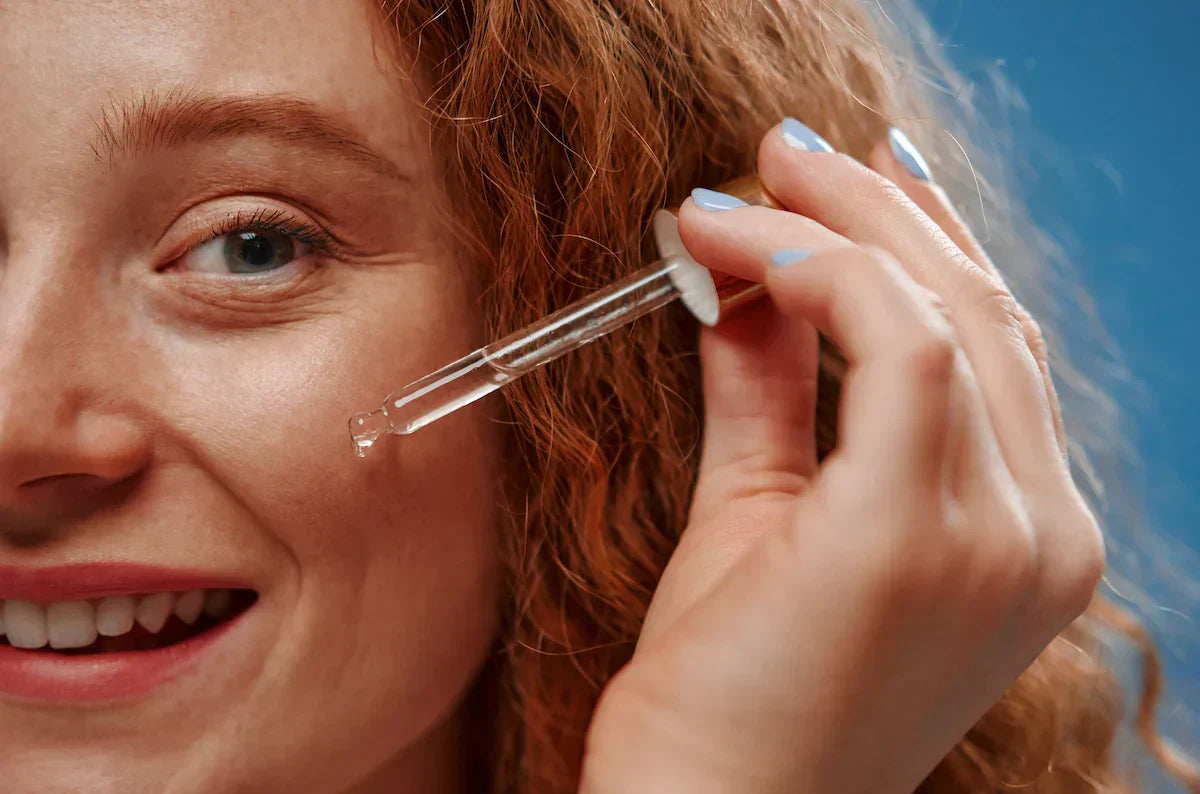
In many cases, discoloration does not come from the ingredient itself, but from poor formulation architecture, incompatible packaging systems, or improper processing conditions during manufacturing. Transparent dropper bottles are one of the biggest hidden stability problems in antioxidant skincare. While they may appear premium visually, repeated oxygen backflow during daily consumer usage continuously introduces fresh oxygen into the formula after opening. This repeated oxygen cycling slowly weakens antioxidant stability over time. Because of this, many premium skincare brands increasingly prefer:
- airless packaging
- UV-protective bottles
- low-headspace filling
- oxygen-restricted dispensing systems
- controlled cool-down processing to improve long-term color consistency and antioxidant stability.
Ironically, many consumers now psychologically associate yellow antioxidant serums with “expired” or “damaged” products even when the formula technically remains functional. This means visual stability has become both a formulation challenge and a consumer trust challenge.
Why Magnesium Ascorbyl Phosphate Works Better in Day Creams Than Pure Vitamin C
Traditional L-Ascorbic Acid formulations often struggle in daytime skincare because highly acidic systems may increase irritation risk when combined with UV exposure, exfoliating acids, or compromised skin barriers. Magnesium Ascorbyl Phosphate performs especially well in day creams because it combines antioxidant protection with better skin compatibility and improved stability during normal consumer usage conditions.
This makes MAP highly suitable for:
- daily antioxidant moisturizers
- brightening day creams
- pollution-defense skincare
- anti-aging creams
- hydration-focused UV-support products
Many formulators combine MAP with:
- niacinamide
- UV filters
- ceramides
- vitamin E
- humectants
to create multifunctional daytime skincare systems focused on both antioxidant defense and hydration support. This flexibility makes Magnesium Ascorbyl Phosphate increasingly valuable in modern premium skincare development.

You may also be interested in: Ceramides Decoded: EOP, NP, AP and How to Build Barrier-Boosting Formulas
Why Magnesium Ascorbyl Phosphate Works Well with Niacinamide
One of the oldest skincare myths is that vitamin C and niacinamide should never be used together. This misconception mainly originated from unstable low-pH vitamin C systems where highly acidic conditions could potentially affect niacinamide behavior. Magnesium Ascorbyl Phosphate bypasses this issue because it remains stable within the same pH range preferred by niacinamide. This allows cosmetic chemists to formulate both ingredients together without forcing extremely acidic environments. Because of this compatibility, many modern skincare brands combine MAP and niacinamide in:
- brightening serums
- antioxidant moisturizers
- hydration-focused skincare
- anti-aging creams
- barrier-support systems
This combination helps support:
- antioxidant protection
- brightening performance
- hydration positioning
- barrier compatibility
- multifunctional skincare architecture
Why Some Magnesium Ascorbyl Phosphate Serums Lose Viscosity During Stability Testing
One of the least discussed formulation problems with Magnesium Ascorbyl Phosphate is rheology instability caused by divalent magnesium ions. Many junior formulators successfully stabilize the antioxidant system initially but later experience unexpected thinning, viscosity collapse, or emulsion separation during accelerated heat testing. In most cases, the issue does not come from the antioxidant itself, but from incorrect polymer selection.
Magnesium Ascorbyl Phosphate introduces divalent magnesium ions (Mg²⁺) into the formulation. These ions are highly disruptive to traditional carbomer structures and may rapidly weaken the polymeric gel network responsible for viscosity building. This is why many standard carbomer systems fail during:
- heat stability testing
- transportation simulation
- long-term storage
- accelerated aging studies
Modern antioxidant formulations increasingly rely on electrolyte-tolerant rheology systems such as:
- Polyacrylate Crosspolymer-6
- Sclerotium Gum
- Xanthan Gum
- associative rheology modifiers to improve structural stability under commercial manufacturing conditions.
Is your Magnesium Ascorbyl Phosphate emulsion thinning out or separating during accelerated heat testing? The divalent magnesium ion load requires highly specific rheology support systems. Flychem supports formulation teams with technical guidance, pilot-batch ingredient support, and antioxidant formulation assistance for stability-focused skincare development.
Key Benefits of Magnesium Ascorbyl Phosphate in Cosmetic Formulations
Magnesium Ascorbyl Phosphate has become highly valuable because it combines antioxidant support, hydration compatibility, brightening performance, and lower irritation potential within a single ingredient system. Unlike unstable vitamin C formulations that frequently create oxidation or sensitivity concerns, MAP allows formulators to create gentler antioxidant skincare systems suitable for long-term consumer use. Key skincare benefits include:
- antioxidant protection against oxidative stress
- support for brighter-looking skin
- compatibility with sensitive skin
- hydration-support positioning
- lower irritation compared with acidic vitamin C systems
- support for anti-aging skincare concepts
|
Skin Care Benefit |
Why It Matters |
|
Antioxidant Protection |
Helps neutralize free radicals |
|
Brightening Support |
Helps improve dull-looking skin |
|
Hydration Compatibility |
Suitable for dry skin systems |
|
Sensitive Skin Compatibility |
Lower irritation profile |
|
Anti-Aging Support |
Supports collagen-related pathways |
|
Daily-Use Compatibility |
Suitable for long-term routines |
Many formulators also combine Magnesium Ascorbyl Phosphate with peptides, ceramides, panthenol, niacinamide, and hyaluronic acid to create multifunctional skincare systems with premium sensory profiles.

How Magnesium Ascorbyl Phosphate Helps Improve Antioxidant Formulations
Magnesium Ascorbyl Phosphate helps improve antioxidant formulations by offering better oxidation resistance and broader formulation flexibility compared with traditional vitamin C systems. Its compatibility with modern skincare ingredients allows formulators to create more stable and commercially reliable antioxidant products suitable for long-term daily use. Key formulation advantages include:
- Better oxidation resistance
- Improved pH compatibility
- Lower irritation potential
- Better hydration-system compatibility
- Improved long-term formulation stability
- Easier integration with niacinamide and peptides
Recommended Dosage of Magnesium Ascorbyl Phosphate in Cosmetic Formulations
The recommended dosage of Magnesium Ascorbyl Phosphate depends on formulation architecture, product category, sensory profile, and long-term stability requirements. Commercial formulations commonly combine MAP with hydration systems, peptides, antioxidants, and barrier-support ingredients to improve overall product elegance and antioxidant performance.
Testing a new antioxidant serum or brightening cream? Flychem supports formulation teams with Magnesium Ascorbyl Phosphate Low MOQ support, pilot-batch sampling, and technical formulation guidance for advanced skincare development.
|
Application |
Recommended Use Level |
|
Brightening Serums |
2–10% |
|
Day Creams |
1–5% |
|
Anti-Aging Moisturizers |
2–8% |
|
Hydration Gels |
1–5% |
|
Eye Creams |
0.5–3% |
|
Antioxidant Lotions |
1–5% |
Formulation Strategy for Magnesium Ascorbyl Phosphate Systems
Successful Magnesium Ascorbyl Phosphate formulation depends heavily on oxidation control, pH management, water quality, rheology compatibility, and packaging strategy. Modern antioxidant skincare systems are no longer designed only for efficacy. Today’s formulations must also support:
- long-term stability
- hydration compatibility
- premium sensory feel
- transportation resistance
- daily-use comfort
- oxidation protection
MAP is commonly combined with:
- niacinamide
- peptides
- ceramides
- hyaluronic acid
- panthenol
- vitamin E
- ferulic acid
- UV filters
These combinations help cosmetic chemists create multifunctional antioxidant skincare systems with broader commercial positioning and improved product differentiation.
Stability Profile and pH Considerations
One of the biggest advantages of Magnesium Ascorbyl Phosphate is its improved formulation stability compared with traditional vitamin C systems. However, long-term product performance still depends heavily on pH control, packaging architecture, oxygen exposure, and metal contamination management. MAP generally performs best within mildly acidic to near-neutral pH ranges.
|
pH Range |
Performance Impact |
|
Below 5.0 |
Increased instability risk |
|
5.0–6.5 |
Optimal formulation stability |
|
Above 7.0 |
Possible discoloration risk |
At highly acidic pH levels, Magnesium Ascorbyl Phosphate may gradually lose phosphate protection and become increasingly vulnerable to oxidation-related degradation.
This may contribute to:
- yellowing
- browning
- potency loss
- odor development
- reduced shelf stability
Many formulators improve long-term antioxidant stability by using:
- chelating agents
- UV-protective packaging
- low-oxygen manufacturing conditions
- antioxidant support systems
- controlled cool-down processing
Maintaining tighter pH control becomes especially important for transparent antioxidant serums and color-sensitive skincare products.
Processing Considerations for Magnesium Ascorbyl Phosphate Formulations
Processing conditions strongly influence finished product appearance, antioxidant performance, and long-term commercial stability. One hidden issue in antioxidant manufacturing is oxygen trapped during excessive homogenization. High-speed mixing may introduce microscopic oxygen pockets into the system that gradually accelerate oxidation after packaging. Many premium skincare manufacturers therefore increasingly avoid unnecessary over-processing during antioxidant serum development.
|
Parameter |
Practical Guidance |
|
Heating |
Avoid prolonged high temperatures |
|
Oxygen Exposure |
Reduce excessive aeration |
|
Water Quality |
Minimize metal contamination |
|
Packaging |
UV-protective systems preferred |
|
Mixing Conditions |
Moderate mixing recommended |
Scaling a transparent antioxidant serum? Excessive aeration and poor metal control frequently contribute to premature discoloration during scale-up production. Flychem supports formulation teams with technical guidance, documentation support, and pilot-batch ingredient assistance for antioxidant skincare development.
Applications of Magnesium Ascorbyl Phosphate in Modern Skincare Formulations
Magnesium Ascorbyl Phosphate is widely used across modern skincare formulations because it combines antioxidant protection, brightening support, hydration compatibility, and better long-term stability within a single ingredient system. Its water-soluble structure and lower irritation potential make it highly flexible for both daily-use skincare and treatment-focused cosmetic formulations.
Unlike unstable vitamin C systems that frequently struggle with oxidation or low-pH sensitivity, Magnesium Ascorbyl Phosphate allows formulators to create commercially stable products suitable for repeated daily use. This flexibility has made it increasingly valuable in antioxidant skincare development, especially for brands focused on hydration support, sensitive skin compatibility, and brightening performance.
In modern cosmetic formulations, Magnesium Ascorbyl Phosphate is commonly used in antioxidant serums to help support brighter-looking skin and environmental defense against oxidative stress. It is also widely used in day creams and anti-aging moisturizers where formulators want antioxidant performance without the irritation challenges often associated with highly acidic vitamin C systems.
Hydration-focused gels and lightweight moisturizers increasingly include Magnesium Ascorbyl Phosphate because it works well within water-based systems while maintaining better formulation stability. Many sensitive skin formulations also use MAP because of its gentler daily-use compatibility compared with traditional ascorbic acid systems.
The ingredient is also frequently used in eye creams, pollution-defense skincare, post-acne discoloration products, and sheet masks designed for glow-enhancing and hydration-support skincare concepts. Its compatibility with niacinamide, ceramides, peptides, hyaluronic acid, and panthenol makes it highly suitable for multifunctional skincare formulations focused on both antioxidant performance and long-term barrier-friendly daily use.
|
Application Area |
Why It Is Used |
|
Brightening Serums |
Helps support uneven skin tone improvement |
|
Day Creams |
Provides daily antioxidant protection |
|
Anti-Aging Moisturizers |
Supports long-term antioxidant skincare |
|
Hydration Gels |
Compatible with water-based systems |
|
Sensitive Skin Products |
Lower irritation potential |
|
Eye Creams |
Suitable for gentle antioxidant care |
|
Pollution-Defense Skincare |
Helps support oxidative stress protection |
|
Sheet Masks |
Used in hydration and glow-focused systems |

Inside the Lab: Blueprint for a Stable 5% MAP Brightening Serum
Many formulation teams search for stable baseline architectures when developing antioxidant serums using Magnesium Ascorbyl Phosphate. The challenge is not simply incorporating the active, but maintaining viscosity stability, oxidation resistance, and long-term sensory consistency during scale-up manufacturing. Want to baseline test your antioxidant system before pilot production? This simplified framework is commonly used to improve stability while reducing oxidation stress and magnesium-triggered rheology instability.
Phase A – Aqueous Base: Deionized Water (Q.S. to 100%), Glycerin (3.0% for hydration support), Disodium EDTA (0.1% for metal chelation support), and Hyaluronic Acid (0.5% hydration base).
Phase B – Active Stage (Added Below 40°C): Flychem Magnesium Ascorbyl Phosphate (5.0% primary antioxidant active), Niacinamide (3.0% brightening support), and Panthenol (1.0% skin comfort support).
Phase C – Rheology & Buffer System: Polyacrylate Crosspolymer-6 as the electrolyte-tolerant thickener to maintain viscosity against magnesium ion interference, alongside a Citric Acid/Sodium Citrate buffer system to stabilize the final pH between 5.5–6.0.
This type of formulation architecture helps reduce:
- oxidation instability
- pH drift
- viscosity collapse
- metal-triggered discoloration
- long-term serum inconsistency
Common Formulation and R&D Mistakes
Several formulation problems occur when cosmetic chemists assume all vitamin C derivatives behave identically. Many antioxidant failures originate from poor oxidation architecture rather than the ingredient itself. Problems such as pH drift, metal contamination, excessive heat exposure, poor packaging selection, and uncontrolled oxygen exposure frequently contribute to commercial instability.
Common formulation mistakes include:
- incorrect pH targeting
- excessive homogenization
- transparent dropper systems
- poor oxidation management
- unstable fragrance systems
- unrealistic stability expectations
- improper rheology selection
Understanding these formulation risks early helps reduce redevelopment costs and improve long-term commercial performance during scale-up manufacturing.
Practical R&D and Scale-Up Guidelines
Scaling Magnesium Ascorbyl Phosphate formulations from lab development to commercial production requires careful control of:
- oxygen exposure
- pH consistency
- packaging compatibility
- transportation stability
- warehouse heat exposure
- long-term sensory performance
Modern skincare brands increasingly evaluate:
- accelerated stability
- climate exposure
- packaging oxygen behavior
- transportation simulation
- color consistency
- oxidation resistance
before launching commercial antioxidant products.
These controls become especially important for transparent brightening serums and premium antioxidant systems where even slight discoloration may negatively affect consumer trust.

Final Thoughts
Magnesium Ascorbyl Phosphate in skincare represents the industry’s shift away from unstable “high-percentage vitamin C marketing” toward long-term antioxidant system design focused on stability, hydration compatibility, and commercial reliability. Modern skincare success now depends less on ingredient hype and more on how intelligently the entire formulation controls oxidation, packaging interaction, climate exposure, oxygen cycling, and consumer usage behavior.
Its improved stability, water solubility, lower irritation profile, and compatibility with modern skincare actives make Magnesium Ascorbyl Phosphate highly valuable for brightening serums, antioxidant moisturizers, hydration-focused skincare, and advanced anti-aging systems.
As demand for stable antioxidant skincare continues increasing, cosmetic brands increasingly work with experienced Magnesium Ascorbyl Phosphate Manufacturers, Magnesium Ascorbyl Phosphate Suppliers, and Magnesium Ascorbyl Phosphate Manufacturers in India to develop high-performance skincare systems aligned with modern consumer expectations.
Why Brands Choose Flychem for Magnesium Ascorbyl Phosphate
Flychem supports cosmetic brands and formulation teams with high-purity cosmetic-grade Magnesium Ascorbyl Phosphate designed for advanced antioxidant skincare systems. Our support extends beyond ingredient sourcing alone. We help formulation teams optimize:
- antioxidant architecture
- stability strategy
- packaging compatibility
- pilot-batch development
- oxidation control
- commercial scale-up
Flychem supports brands with:
- technical documentation
- formulation guidance
- Magnesium Ascorbyl Phosphate Low MOQ support
- sample support
- pilot-batch sourcing assistance
- antioxidant system optimization
- audit-ready documentation
As one of the growing Magnesium Ascorbyl Phosphate Manufacturers in India, Flychem helps skincare brands develop premium antioxidant serums, hydration-focused moisturizers, brightening creams, and next-generation anti-aging systems. Ready to develop stable antioxidant skincare systems with Magnesium Ascorbyl Phosphate? Contact Flychem for formulation support, technical guidance, sampling assistance, and commercial ingredient sourcing for advanced cosmetic formulations.
Frequently Asked Questions (FAQ)
Is Magnesium Ascorbyl Phosphate Good for Sensitive Skin?
Yes. Magnesium Ascorbyl Phosphate is widely considered suitable for sensitive skin because it works within gentler pH ranges and generally demonstrates lower irritation potential compared with highly acidic vitamin C systems.
Why Do Some Vitamin C Serums Turn Yellow So Fast?
Many antioxidant serums turn yellow because of oxidation triggered by oxygen exposure, UV light, poor packaging, metal contamination, or excessive heat during storage and transportation.
Is Magnesium Ascorbyl Phosphate Better Than Pure Vitamin C?
Compared with traditional L-Ascorbic Acid systems, Magnesium Ascorbyl Phosphate offers improved formulation stability, broader skin compatibility, and lower irritation potential for daily-use skincare products.
Why Are Airless Pumps Better for Antioxidant Serums?
Airless pumps help reduce repeated oxygen exposure during daily consumer usage. This improves long-term antioxidant stability and helps maintain better color consistency during shelf life.
Can Magnesium Ascorbyl Phosphate Be Used with Niacinamide?
Yes. Magnesium Ascorbyl Phosphate works well with niacinamide because both ingredients remain stable within similar pH ranges, making them highly compatible in multifunctional antioxidant skincare formulations.