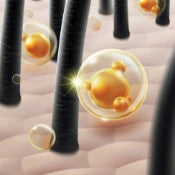
Traditional Salicylic Acid vs Encapsulated Salicylic Acid differ mainly in delivery and formulation behavior. Traditional salicylic acid acts immediately and requires low pH, while encapsulated salicylic acid releases the active ingredient in a controlled manner, reducing irritation and improving stability without reducing effectiveness.
Introduction
Many 2025 to 2026 acne, pore-care, and scalp launches are shifting from traditional salicylic acid to encapsulated systems. The driver behind this shift is straightforward. Encapsulated salicylic acid, as a new technology in skincare, offers better tolerance for sensitive skin types and significantly improved formulation stability without sacrificing efficacy.
This guide explains how Traditional Salicylic Acid vs Encapsulated Salicylic Acid differ in real formulations. Whether you are developing a gentle daily face wash or a leave-on scalp tonic, these differences directly influence ingredient selection and claims strategy. Encapsulated systems also provide a more comprehensive solution for formulators, addressing multiple formulation and performance needs in one approach.
Three key dimensions define this shift. Encapsulated salicylic acid improves tolerability, often reducing irritation by 40 to 60 percent. It extends shelf life from around 12 to 18 months to 24 to 36 months. Regulatory limits remain the same, but dosage calculations differ based on active loading.
What Is Traditional Salicylic Acid?
Traditional salicylic acid, also known as free salicylic acid, is a beta hydroxy acid (BHA) used in acne and exfoliating formulations. It has been widely used for decades due to its ability to penetrate oil and unclog pores. It is typically used at 0.5 to 2 percent in leave-on products and up to 3 percent in rinse-off systems. Its oil-soluble nature allows it to move through sebum and reach clogged pores effectively.
From a formulation perspective, it requires a low pH between 2.5 and 4 for optimal activity. It often needs solvents such as ethanol or glycols and may cause crystallization or viscosity reduction in water-based systems. From a consumer standpoint, free salicylic acid can cause skin irritation and excessive dryness, especially with frequent use.
What Is Encapsulated Salicylic Acid?
Encapsulated salicylic acid is the same active ingredient enclosed within microcapsules. These capsules, typically polymeric or lipid-based, enable targeted delivery to the skin surface and release the active gradually when applied.

The encapsulation does not change the molecule itself but changes how it is delivered. The release is triggered by factors such as skin lipids, temperature, or friction, ensuring that encapsulated salicylic acid is released in a controlled manner.
This results in controlled delivery instead of an immediate release. It allows more even exposure over time, reduces peak concentration, helps reduce irritation, and improves compatibility with other ingredients.
Encapsulated systems typically function within a broader pH range of 3.5 to 6.0, providing greater formulation flexibility. High-loading systems such as KOSAVA support efficient delivery while maintaining stability in both rinse-off and leave-on products. Encapsulated salicylic acid also helps remove dead skin cells through gentle, targeted exfoliation.
Solubility and Stability Advantages in Modern Formulations
Beyond irritation, the biggest hurdle with Traditional Salicylic Acid is its poor water solubility. Formulators often rely on high concentrations of alcohol or glycols to prevent crystallization, which compromises the "Clean Beauty" profile of the product. Kosava™ (Encapsulated Salicylic Acid 70%) is engineered to be water-dispersible. This allows for:
- Alcohol-free toners and serums.
- Crystal-clear aqueous gels without the "tackiness" of high glycol loads.
- Multi-Active Compatibility: Since KOSAVA is stable at pH 5.0–5.5, you can safely combine it with Niacinamide and Peptides without the risk of ingredient degradation or skin flushing.
Traditional Salicylic Acid vs Encapsulated Salicylic Acid: Key Technical Differences
|
Parameter |
Traditional Salicylic Acid |
Encapsulated Salicylic Acid |
|
Release profile |
Immediate, high peak concentration |
Controlled, gradual release |
|
Irritation |
Higher risk of stinging and dryness |
Reduced irritation (40 to 60 percent); helps minimize breakouts and skin issues for sensitive and acne-prone skin |
|
pH requirement |
Narrow range (2.5 to 4.0) |
Broader range (3.5 to 6.0) |
|
Stability |
12 to 18 months |
24 to 36 months |
|
Formulation flexibility |
Limited, solvent-dependent |
Higher flexibility |
|
Consumer experience |
Strong and sometimes harsh |
Mild and suitable for daily use, ideal for oily and acne-prone skin |
Which One Should Formulators Choose?
Choosing between traditional and encapsulated salicylic acid depends on formulation goals, target skin type, and product format.
Use Traditional Salicylic Acid when:
- You need fast, strong exfoliation (spot treatments)
- Low pH systems are acceptable
- Cost optimization is a priority
Use Encapsulated Salicylic Acid when:
- Developing daily-use or sensitive skin products
- Working in pH 4.5–6.0 systems
- Building multi-active formulations (Niacinamide, Peptides, Vitamin C)
- Targeting premium or dermatologically gentle positioning
Formulation insight: Encapsulated systems are not always a replacement—they are a strategic upgrade for modern formulations.
How Encapsulation Changes Skin Performance?
Encapsulation changes how salicylic acid interacts with the skin. Instead of delivering a high concentration immediately, it releases the active gradually over time, helping to treat acne and inflammation thanks to its anti-inflammatory properties.
Microcapsules release salicylic acid through diffusion and interaction with skin lipids. This process helps regulate sebum and oil production, supporting clearer and healthy skin by reducing excess oil, minimizing pore blockages, and maintaining overall skin clarity.
 This leads to lower disruption of the skin barrier and reduced transepidermal water loss compared to traditional systems. The result is consistent exfoliation without overwhelming the skin.
Formulation and Stability: Traditional vs Encapsulated
These differences reduce formulation challenges, improve consistency in production, and, with encapsulated systems, help avoid irritation during formulation and use.
Regulatory, pH, and Use Levels
- Both traditional and encapsulated salicylic acid are treated the same under regulatory frameworks. The active molecule is identical.
- Typical use levels include 0.5 to 2 percent in leave-on products and up to 3 percent in rinse-off products.
- Encapsulated systems require calculation based on active loading. For example, KOSAVA contains approximately 70 percent active salicylic acid.
|
Inclusion Level |
Active Salicylic Acid |
|
1.0 percent |
0.70 percent |
|
1.5 percent |
1.05 percent |
|
2.0 percent |
1.40 percent |
|
2.86 percent |
2.0 percent |
Traditional systems require a pH below 4, while encapsulated systems can function up to pH 6, enabling compatibility with modern actives.
Benefits of Using Encapsulated Salicylic Acid
|
Aspect |
Traditional Salicylic Acid |
Encapsulated Salicylic Acid |
|
Irritation |
High initial impact |
Reduced due to controlled release |
|
Comfort |
Can cause dryness |
Improved tolerability; helps control excess oil |
|
Release |
Immediate |
Sustained |
|
Stability |
Lower |
Higher |
|
Daily use |
Limited |
Suitable, including in moisturizers |
Encapsulation allows sustained performance while improving user comfort and stability.

Formulation Challenges and How Encapsulation Solves Them
|
Challenge |
Traditional Salicylic Acid |
Encapsulated Solution |
|
Irritation |
High at effective doses |
Reduced via controlled release |
|
pH limitation |
Requires <4 |
Works up to ~6 |
|
Solubility |
Poor, needs solvents |
Water-dispersible |
|
Stability |
Prone to degradation |
Extended shelf life |
|
Compatibility |
Limited |
Multi-active friendly |
Insight: Encapsulation shifts salicylic acid from a “reactive active” to a “formulation-friendly system.
Application Areas for Traditional Salicylic Acid and Encapsulated Salicylic Acid
|
Application |
Traditional Salicylic Acid |
Encapsulated Salicylic Acid |
|
Face wash |
Effective, but can irritate |
Suitable for daily use in cleansers as part of a skincare routine |
|
Toners |
Limited use |
Suitable for regular use |
|
Serums |
Requires strict pH |
Flexible |
|
Body wash |
Effective but drying |
Better for large areas |
|
Scalp care |
Irritating in leave-on |
Suitable for long contact |
|
Spot treatment |
Fast acting |
Less preferred |
|
Chemical exfoliant |
May cause irritation |
Gentle, targeted exfoliation for sensitive skin |
You may be interested in: Top 10 Peptides in Modern Skincare and Their Synergistic Co-Actives
Best Ingredient Combinations with Encapsulated Salicylic Acid
Encapsulated systems unlock combinations that are difficult with traditional salicylic acid.
- Niacinamide → Oil control + barrier support
- Zinc PCA → Sebum regulation
- Peptides → Skin repair without irritation
- Vitamin C derivatives → Brightening + antioxidant support
- Hyaluronic Acid → Hydration balance
Insight: Encapsulation allows multi-pathway acne + skin health systems, not just exfoliation.

Sustainability and Consumer Trends
Encapsulated salicylic acid aligns with current trends toward gentler and more stable formulations. It improves compliance by reducing irritation, supports longer shelf life, and enables lower effective doses. Encapsulation also allows salicylic acid to be combined with vitamins, such as Vitamin C, for enhanced skin benefits in modern skincare formulations. These factors contribute to reduced product waste and improved user experience.
Why Encapsulation Is Replacing Traditional Systems (2026+)
The shift toward encapsulated salicylic acid is driven by:
- Demand for low-irritation actives
- Rise of barrier-focused skincare
- Need for multi-active compatibility
- Growth of premium dermatology-inspired products
Encapsulation is no longer just a delivery system; it is becoming the standard for next-generation actives.
Why Formulators Choose Encapsulated Systems
Encapsulated salicylic acid offers a balance between performance and usability. It maintains efficacy while improving tolerability and formulation flexibility, making it an ideal choice to treat pesky acne and other skin concerns. This makes it suitable for modern skincare, body care, and scalp formulations designed for daily use.