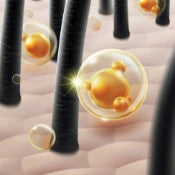
Saccharide isomerate is a plant-derived carbohydrate complex produced through enzymatic isomerization of sugars from corn starch or yeast fermentation using Saccharomyces cerevisiae. Its composition closely mimics the carbohydrate fraction found in the skin’s natural moisturizing factor (NMF), enabling it to bind directly to keratin in the stratum corneum, the outermost layer of the epidermis. Unlike transient humectants that wash away quickly, saccharide isomerate forms hydrogen bonds with corneocytes, creating a persistent moisture reservoir that supports both immediate and long-lasting hydration.
This technical guide is written for B2B customers, cosmetic manufacturers, R&D laboratories, and product developers formulating skincare, haircare, and sun care personal care products. Flychem, as a manufacturer and distributor of certified vegan, cruelty-free cosmetic ingredients, supplies saccharide isomerate alongside a portfolio of actives, peptides, emulsifiers, and specialty substances designed for advanced formulation work.
The core performance profile of this ingredient includes deep hydration persisting up to 72 hours post-application, measurable improvements to the skin barrier, soothing properties for sensitive and dry skin, and excellent compatibility across diverse formulation frameworks.
Key Takeaways
- Plant-based humectant that mimics NMF carbohydrates
- Binds to keratin for long-term moisture retention
- Supports barrier function and reduces transepidermal water loss
- Suitable for leave-on and rinse-off systems across multiple categories
- Certified vegan and cruelty-free when sourced through Flychem

Chemistry, Origin, and Mechanism of Action
Understanding how saccharide isomerate works at the molecular level helps formulators position it effectively within humectant systems and communicate its benefits to brand partners. The ingredient originates from plant sugars, typically glucose derived from maize kernels or wheat, that undergo enzymatic isomerization to produce a complex mixture of carbohydrates including glucose, maltose, and maltotriose.
This profile closely resembles the sugar components naturally present in healthy stratum corneum. Some production methods involve extraction from Saccharomyces cerevisiae fermentation, which is why the ingredient sometimes appears under trade names associated with yeast-derived actives.
Mechanism Summary for Formulators
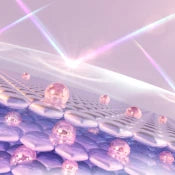
Keratin binding: Saccharide isomerate forms hydrogen bonds with the ε-amino group of lysine residues in corneocytes, integrating into the skin rather than sitting on the surface. This binding mechanism allows it to persist through washing and normal desquamation cycles.
Moisture magnet effect: Once bound, the carbohydrate complex attracts and retains moisture from the environment and underlying dermis, functioning as a humectant backbone that supports skin hydration over extended periods.
TEWL reduction: Clinical data indicate up to 25% reduction in transepidermal water loss and skin hydration increases of up to 200% in certain study protocols, surpassing the water-binding capacity of hyaluronic acid in both depth and duration.
Barrier reinforcement: Beyond hydration, saccharide isomerate upregulates acid sphingomyelinase enzyme activity, loricrin protein expression, and filaggrin production, collectively strengthening the skin’s barrier function and promoting normal cell turnover.
Comparison to glycerin and hyaluronic acid: While glycerin and standard hyaluronic acid primarily offer surface-level, humidity-dependent moisturization that dissipates relatively quickly, saccharide isomerate’s keratin affinity ensures deeper penetration and measurable effects at 24, 48, and 72 hours, even after surfactant exposure.
Key Functional Benefits in Formulations
Saccharide isomerate delivers a range of beneficial effects that extend beyond basic moisturization. Its multi-functional profile makes it valuable across skin types, from oily and acne-prone to mature and compromised conditions.
The primary advantage lies in its ability to provide deep hydration that lasts. Unlike occlusive agents that simply prevent moisture loss by forming a film, this ingredient actively attracts water and holds it within the stratum corneum. This mechanism supports skin elasticity and improves skin texture over time, addressing common concerns like dullness, roughness, flakiness, and tightness associated with dry skin.
Hydration Benefits
- Deep and sustained hydration measurable at 24, 48, and 72 hours via corneometry
- Supports moisture retention even in low-humidity environments
- Retains moisture through normal washing and cleansing routines
- Compatible with layered hydration systems using glycerin, sodium PCA, and low-molecular-weight hyaluronic acid
Barrier Support Benefits
- Reduces transepidermal water loss by reinforcing intercellular lipid structures
- Improves resistance to surfactant-induced irritation in cleansing formulations
- Supports compromised skin conditions, including post-procedure recovery (subject to applicable regulations)
- Synergizes with ceramides and plant oils for enhanced barrier repair
Soothing and Anti-Irritant Properties
- Reduces redness and stinging in both leave-on and rinse-off systems
- Well tolerated by sensitive skin and irritated skin conditions
- Helps counteract the drying effects of active ingredients like retinoids and exfoliating acids
- Supports formulations targeting environmental aggressors and pollution exposure
Sensorial and Texture Benefits
- Non-occlusive and non-comedogenic, suitable for oily, acne-prone, and teenage skin
- Provides emollient properties that enhance the appearance of gels and creams
- Light skin feels at standard use levels without tackiness
- Improves spreadability in serums and lotions

Applications & Recommended Use Levels
Saccharide isomerate functions as a versatile humectant and conditioning agent suitable for both leave-on and rinse-off formulations. Its water-phase solubility, cold-process compatibility, and stability across typical cosmetic pH ranges (4.0–7.5) make it straightforward to incorporate into existing production workflows.
Face Care
|
Product Type |
Recommended Level (% w/w) |
Notes |
|---|---|---|
|
Toners, essences, micellar waters |
0.5–1.0% |
Light hydration boost |
|
Serums, ampoules |
1.0–2.5% |
Supports 24–72h hydration claims |
|
Day and night creams |
1.0–3.0% |
Combine with barrier lipids |
|
Eye creams |
1.0–2.0% |
Non-comedogenic profile beneficial |
|
Intensive barrier-repair treatments |
2.0–3.0% |
Pair with ceramides, niacinamide |
Body Care
- Lotions and body milks: 1.0–2.0% for daily moisturization
- Hand creams: 1.5–2.5% to address frequent washing and dryness
- After-sun products: 1.0–2.0% combined with soothing agents like aloe or allantoin
Hair and Scalp Care
- Leave-in conditioners: 0.5–1.5% for scalp comfort and moisture balance
- Scalp serums: 1.0–2.0% to support epidermal renewal and microbiome balance
- Anti-dandruff supportive formulations: 0.5–1.0% to hydrate without adding weight
- Mild shampoos: 0.5–1.0% to mitigate surfactant-induced dryness
Sun and After-Sun Care
- Sunscreen formulations: 0.5–1.5% to maintain hydration under UV exposure
- After-sun gels and emulsions: 1.0–2.0% for recovery and soothing benefits
Cleansers
- Gentle facial cleansers: 0.5–1.0% to offset surfactant irritation
- Syndet bars: 0.5–0.7% for moisture protection during cleansing
- Baby washes: 0.5–1.0% with appropriate safety testing
Processing Guidance
- Addition stage: Water phase
- Process compatibility: Cold process and standard emulsion heating
- pH stability: 4.0–7.5 (verify exact range against supplier TDS)
- System compatibility: Works in silicone-containing and silicone-free systems, with natural and synthetic emulsifiers, and common preservative systems
Formulation Design Tips for R&D Teams
Positioning saccharide isomerate effectively within a formulation requires understanding how it interacts with other active ingredients and impacts the final product’s sensorial profile. The ingredient works best as a humectant backbone, providing the persistent, keratin-bound hydration layer that shorter-acting humectants like glycerin build upon. For maximum moisturizing benefits, consider combining it with low-molecular-weight hyaluronic acid (for immediate surface hydration) and glycerin (for ambient moisture attraction) in a layered system.
Combining with Flychem Actives
- Peptides for anti-aging: Pair 1.5–2.0% saccharide isomerate with firming peptides in serums targeting skin elasticity and wrinkle reduction. The sustained hydration supports peptide penetration and overall appearance improvements.
-
Kosava™ (Encapsulated Salicylic Acid 70%) Kosava™ (Encapsulated Salicylic Acid 70%): In hydrating anti-blemish products, use 0.7–1.5% saccharide isomerate to offset potential drying from salicylic acid while maintaining a resilient complexion. This combination addresses acne-prone skin conditions without compromising moisture balance. - UV filters: In daily moisturizers with SPF, incorporate 0.5–1.5% to maintain hydration under UV exposure and support barrier function against environmental aggressors.

Sensorial Considerations
- At standard levels (0.5–2.0%), the ingredient provides a light, non-tacky feel
- Concentrations above 3% may introduce slight stickiness; balance with emollients or volatile silicones (or silicone alternatives) if needed
- Compatible with lightweight gel textures and rich cream bases alike
Prototype Concepts
|
Concept |
Formula Suggestion |
|---|---|
|
Barrier-repair cream |
1.5% saccharide isomerate + 4% niacinamide + 0.5% ceramide complex |
|
Anti-wrinkle serum |
2.0% saccharide isomerate + peptide blend + low-MW hyaluronic acid |
|
Sensitive-skin micellar cleanser |
0.7% saccharide isomerate + mild surfactant system + glycerin |
|
Hydrating SPF moisturizer |
1.0% saccharide isomerate + UV filter blend + antioxidants |
|
Scalp comfort serum |
1.5% saccharide isomerate + panthenol + mild preservative |
Claim Substantiation
For marketing teams seeking to document hydration and barrier claims, run instrumental tests at 2, 24, and 72 hours post-application:
- Corneometry: Measures stratum corneum hydration levels
- TEWL probes: Documents barrier integrity improvements
- Visual grading: Assesses reductions in roughness, flakiness, and redness
These protocols provide the data foundation for claims like “72-hour hydration” or “clinically proven barrier support.”

Regulatory, Safety & Vegan/Cruelty-Free Positioning
Saccharide isomerate is widely approved for cosmetic use across major global markets. Understanding its regulatory status and safety profile helps streamline product development and ensure compliance.
Regulatory Status
- INCI name: Saccharide Isomerate
- EU: Compliant with EU Cosmetics Regulation (EC) No 1223/2009 at standard use levels; no specific restrictions
- US: Accepted for cosmetic use under FDA regulations
- Asia-Pacific: Approved in key markets including Japan, Korea, China (with appropriate registration), and Australia
No usage restrictions or concentration limits are imposed by major regulations at recommended levels (0.5–3.0%). However, formulators should always verify current regulations in target markets and conduct proprietary stability and safety assessments.
Safety Profile
- Considered safe and non-irritant at recommended dosages
- Non-sensitizing in standard patch testing protocols
- Suitable for leave-on and rinse-off applications
- Appropriate for products targeting sensitive skin, including baby care (with appropriate testing)
- Well tolerated across all skin types, including normal, dry, oily, and combination skin
Vegan and Cruelty-Free Positioning
Flychem supplies saccharide isomerate as a certified vegan ingredient, manufactured without animal-derived raw materials. No animal testing is conducted at any stage of production, aligning with clean beauty requirements and ethical sourcing standards increasingly demanded by brands and consumers.
Documentation Available from Flychem
- Technical Data Sheet (TDS) with specifications and processing guidance
- Safety Data Sheet (SDS) for handling and storage
- Allergen statements
- Vegan and cruelty-free declarations
- Certificate of Analysis with microbiological and heavy metal limits
- Regulatory compliance statements for target markets
End-Use Product Opportunities for Brand Owners
Saccharide isomerate helps differentiate new or existing product lines through clinically demonstrable hydration and barrier benefits. Its skin-identical nature and sustained efficacy provide a compelling story for consumer marketing while delivering measurable performance that withstands scrutiny.
Strategic Claim Spaces
- “72-hour hydration” or “long-lasting moisture” (substantiated with corneometry data)
- “Strengthens the skin barrier” and “supports preventing moisture loss”
- “Vegan, cruelty-free hydrating complex based on skin-identical carbohydrates”
- “Mimics the skin’s natural moisturizing factor”
- “Clinically tested for deep hydration”
Consumer Product Concepts
|
Target Market |
Product Concept |
Key Positioning |
|---|---|---|
|
Dry and dehydrated skin |
Intensive moisture serums, overnight masks |
Long-lasting hydration, barrier repair |
|
Sensitive skin |
Fragrance-free moisturizers, post-procedure support |
Soothing, non-irritating, clinically tested |
|
Anti-aging |
Firming creams with peptides |
Improved elasticity, smoother skin texture |
|
Acne-prone/teenage |
Hydrating treatments with KOSAVA™ |
Balancing care, moisturization without congestion |
|
Baby care |
Gentle cleansers, moisturizing lotions |
Mild, well-tolerated, safe for delicate skin |
Hair and Scalp Opportunities
- Leave-in conditioners marketed for “scalp comfort” and “anti-dryness”
- Shampoos positioned as “moisture-balancing” or “sensitive scalp friendly”
- Scalp serums addressing dryness and supporting healthy cell turnover
Collaboration with Flychem
Whether you’re developing a barrier-repair cream, a sensitive-skin cleanser, or a hydrating anti-blemish serum, Flychem can support your project with sample provision, prototype guidance, and formulation troubleshooting. Stay informed about new ingredient developments and formulation strategies by connecting with our technical team.
To request samples, technical documentation, or discuss how skin saccharide isomerate fits into your next development project, contact Flychem directly. Our team provides the support R&D laboratories and product developers need to bring differentiated, high-performance cosmetics to market.