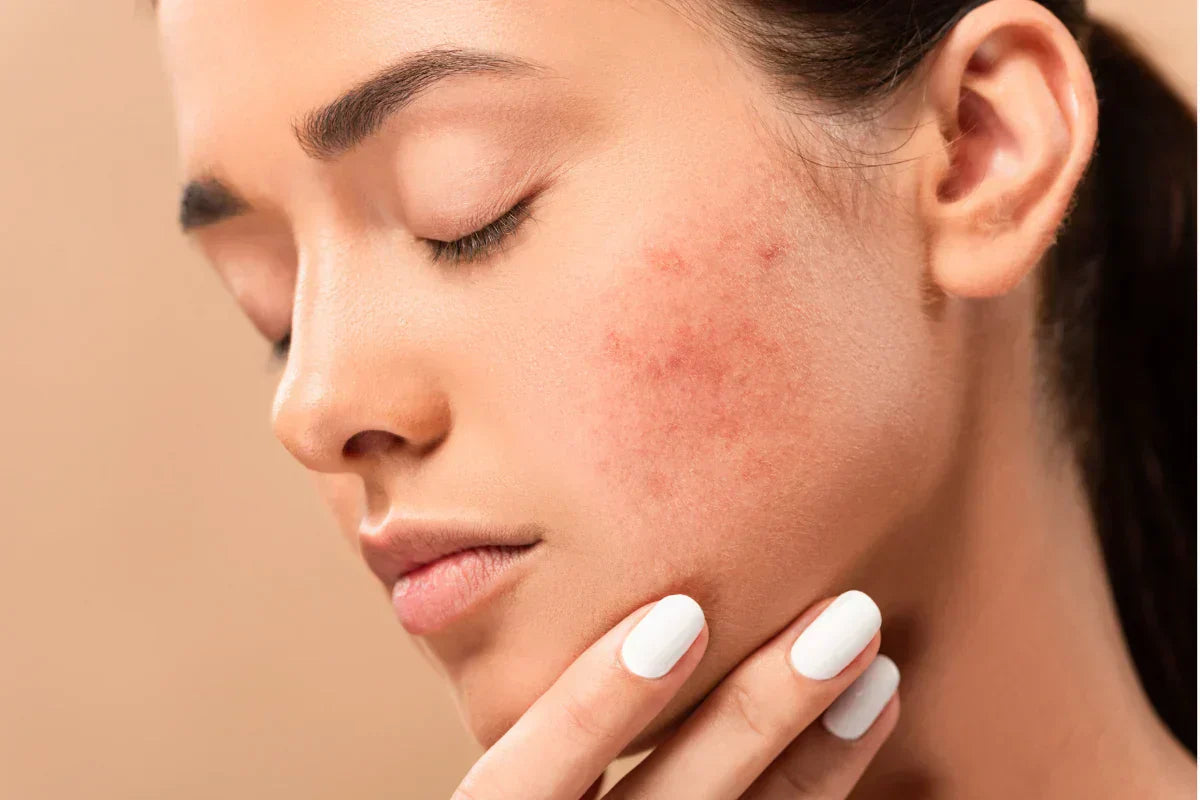
Your skin's barrier is essential for maintaining healthy, resilient skin and protecting against chronic irritation and sensitivity. While countless skincare ingredients promise barrier repair, phytosphingosine stands out as one of the most scientifically validated solutions for compromised skin health. This naturally occurring lipid plays a crucial role in maintaining your skin’s protective barrier, and understanding its benefits can transform your approach to skincare.
Found naturally in healthy human skin, phytosphingosine works at the cellular level to strengthen your skin’s outer layer while providing antimicrobial and anti-inflammatory properties. Whether you’re dealing with sensitive skin, atopic dermatitis, or simply want to maintain optimal skin barrier integrity, this comprehensive guide will help you understand everything about this remarkable ingredient.
What Is Phytosphingosine?
Phytosphingosine is a naturally occurring sphingoid base and a critical building block of the skin barrier. It belongs to the sphingolipid family and is found in the stratum corneum, the skin’s outermost layer. Structurally, it is a long-chain amino alcohol with three hydroxyl groups, which contribute to its strong barrier-supporting and hydration-maintaining properties. This unique structure makes phytosphingosine highly effective in preserving skin integrity and resilience.
As a key precursor to skin ceramides, phytosphingosine plays an essential role in maintaining the skin’s protective lipid barrier. It helps prevent moisture loss while shielding the skin from external irritants and harmful substances. Phytosphingosine is a skin-identical ingredient naturally present in plants and fungi, where it forms the backbone of complex sphingolipids such as glucosylceramides and inositol phosphorylceramides. Its biological compatibility makes it particularly valuable in skincare formulations.
First identified in 1884 during early research on sphingoid bases, phytosphingosine derives its name from its plant origins. Later studies confirmed its critical presence in human skin and animal tissues. Its distinctive hydroxyl group at the C4 position enhances polarity and lipid interactions, improving hydration & barrier function. Phytosphingosine also stimulates ceramide synthesis via enzymes such as glucosylceramide synthase and sphingomyelin synthase, supporting optimal lipid organization and long-term skin health across all skin types.

How Phytosphingosine Works in Your Skin Barrier Function
Phytosphingosine functions through multiple mechanisms to strengthen and maintain your skin’s barrier. The primary way it works is by serving as a precursor in ceramide synthesis, helping to form ceramide molecules that are essential for barrier function. When applied topically or produced naturally by human keratinocytes, phytosphingosine undergoes enzymatic conversion to create the ceramides that make up a significant portion of your skin’s lipid mixture.
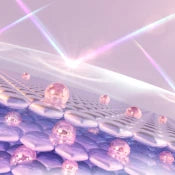
The ingredient promotes optimal lipid organization by helping arrange skin lipids in organized lamellar structures within the stratum corneum. These lipid lamellae create an effective barrier that prevents transepidermal water loss while maintaining skin hydration. Studies using investigative dermatology techniques have shown that phytosphingosine enhances the formation of these critical lipid structures.
Phytosphingosine also supports the function of lamellar bodies, specialized organelles within skin cells that package and transport barrier lipids to the skin’s outer layer. By optimizing this process, phytosphingosine ensures that your skin maintains a continuous supply of barrier-supporting lipids, contributing to long-term skin barrier integrity.
The polar head group of phytosphingosine allows it to interact effectively with other barrier components, including free fatty acids and cholesterol. This interaction creates a more robust lipid matrix that can better resist environmental stressors and maintain optimal moisture levels. The result is improved skin health and enhanced protection against external irritants.
Research has demonstrated that phytosphingosine can influence the expression of genes involved in sphingolipid synthesis, suggesting that its benefits extend beyond simple lipid replacement. This regulatory effect helps ensure that your skin maintains optimal barrier function over time, making it particularly valuable for individuals with compromised skin barriers.
Key Benefits of Phytosphingosine for Skin Health
The benefits of phytosphingosine for skin health are extensive and well-documented through scientific research. One of its most significant advantages is enhanced barrier protection against environmental irritants, allergens, and pollutants. By strengthening the skin’s protective barrier, phytosphingosine helps prevent harmful substances from penetrating deeper into the skin while maintaining proper hydration levels. Additionally, phytosphingosine helps protect the skin from the harmful effects of environmental factors or skin conditions.
Phytosphingosine exhibits potent antimicrobial activities that help combat acne-causing bacteria, including Propionibacterium acnes, making it beneficial for acne-prone skin. Unlike harsh antimicrobial agents that can disrupt the skin’s natural microbiome, phytosphingosine works selectively against harmful pathogens while supporting beneficial bacteria. This makes it particularly valuable for individuals dealing with acne vulgaris and other skin conditions involving bacterial imbalance.
The anti-inflammatory properties of phytosphingosine help reduce redness, irritation, and skin sensitivity. Research has shown that it can help modulate inflammatory responses by inhibiting NF κB pathways, which are key players in skin inflammation. This makes it especially beneficial for individuals with inflammatory skin conditions or those experiencing skin dryness and irritation.

Improved hydration is another significant benefit, achieved through enhanced natural moisturizing factor production and reduced transepidermal water loss. By supporting the skin’s ability to retain moisture naturally, phytosphingosine provides long-lasting hydration that goes beyond simple surface moisturizing. This is particularly important for maintaining healthy skin across different environmental conditions.
For individuals with atopic skin or atopic dermatitis, phytosphingosine offers relief by restoring compromised skin barriers. Clinical studies have demonstrated significant improvements in skin barrier integrity and reduced symptoms in patients with these conditions. The ingredient’s ability to support natural barrier repair processes makes it a valuable component in managing chronic inflammatory lesions.
Prevention of premature aging is another important benefit, as maintained skin barrier integrity helps protect against environmental damage that can accelerate aging processes. By supporting the skin’s natural protective mechanisms, phytosphingosine helps maintain youthful skin appearance and function over time.
Phytosphingosine and Skin Types
- Acne-Prone Skin: Provides natural antimicrobial action against Propionibacterium acnes, helping reduce breakouts without compromising the skin barrier.
- Sensitive & Reactive Skin: Offers soothing, anti-inflammatory benefits that calm redness, irritation, and discomfort while improving long-term barrier resilience.
- Dry & Dehydrated Skin: Strengthens the skin’s lipid matrix to reduce transepidermal water loss, improving hydration, softness, and skin flexibility.
- Atopic & Compromised Skin: Supports barrier repair and inflammation control, helping manage symptoms associated with atopic dermatitis and barrier dysfunction.
- Normal & Healthy Skin: Maintains optimal barrier function and prevents future skin issues, making it suitable for long-term skin health and protection.
Phytosphingosine Derivatives
Phytosphingosine derivatives are innovative variations of the original phytosphingosine molecule, designed to enhance and expand its beneficial effects in skincare products. Through subtle modifications to the chemical structure, these derivatives can offer targeted advantages for skin health, making them a focus of ongoing research in cosmetic science.
One of the most exciting aspects of phytosphingosine derivatives is their potent anti-inflammatory properties. By helping to reduce skin inflammation, these compounds can soothe irritated or reactive skin, making them especially valuable for individuals dealing with inflammatory skin conditions such as acne vulgaris or atopic dermatitis. Some derivatives have been shown to inhibit NF-κB, a key protein involved in the body’s inflammatory response, further supporting their role in calming the skin.
In addition to their anti-inflammatory effects, certain phytosphingosine derivatives exhibit strong antimicrobial activities. This makes them effective at targeting acne-causing bacteria and supporting clearer skin, without the harshness of traditional antibacterial agents. Their ability to maintain and reinforce the skin’s barrier function also helps prevent water loss and shields the skin from environmental stressors, contributing to overall skin health.

Phytosphingosine derivatives are increasingly found in a variety of skincare products, including moisturizers, serums, and creams. Their beneficial effects are being explored in investigative dermatology, with studies highlighting their potential to play key roles in managing skin conditions and supporting barrier repair.
Phytosphingosine vs Other Skincare Ingredients
Understanding how phytosphingosine compares to other skincare ingredients helps clarify its unique value in skin care products. When compared to ceramides, phytosphingosine works as a precursor, while ceramides are the end product. This means that phytosphingosine can stimulate your skin’s natural ceramide production, potentially providing longer-lasting benefits than topically applied ceramides alone.
The advantage over hyaluronic acid lies in their different mechanisms of action. While hyaluronic acid provides excellent surface hydration by attracting and holding water, phytosphingosine provides structural barrier support by enhancing the skin’s natural lipid matrix. This makes phytosphingosine more effective for addressing underlying barrier dysfunction rather than just temporary hydration.
Phytosphingosine shows excellent synergy with niacinamide, as both ingredients boost natural ceramide production pathways through different mechanisms. When used together, they can provide complementary benefits for barrier repair and inflammation reduction. This combination is particularly effective for sensitive skin and inflammatory skin conditions.
The complementary action with cholesterol and fatty acids in barrier repair formulations creates what cosmetic science refers to as a physiologically balanced lipid mixture. While individual components like linoleic acid or other fatty acids provide specific benefits, phytosphingosine helps organize these lipids into optimal barrier structures. This collaborative approach is more effective than using any single ingredient alone.
Unlike harsh antimicrobial agents that can disrupt the skin’s ecosystem, phytosphingosine’s antimicrobial activities are selective and gentle. This makes it superior to traditional preservatives or antibacterial agents that might compromise the skin’s natural balance while attempting to address microbial issues.
Best Skincare Products Containing Phytosphingosine
- Barrier Repair Moisturizers & Creams: Widely used in formulations for sensitive and dry skin to restore and strengthen the skin barrier. Commonly combined with ceramides and other barrier lipids.
- Anti-Aging Serums: Included in barrier-focused anti-aging products to prevent premature aging by maintaining optimal skin barrier integrity and long-term skin health.
- Gentle & Barrier-Safe Cleansers: Used in mild cleansers for compromised, atopic, or reactive skin to support the barrier during cleansing without causing stripping or irritation.
- Eye Creams & Under-Eye Treatments: Ideal for the delicate eye area due to its thin barrier and high sensitivity, offering gentle barrier support without irritation.
- Eczema & Dermatitis Treatment Products: Commonly found in dermatologist-recommended formulations for eczema, atopic dermatitis, and inflammatory skin conditions linked to barrier dysfunction.
- Optimized Barrier-Repair Formulations: Most effective when paired with skin-identical ingredients such as ceramides, cholesterol, and free fatty acids to closely mimic healthy skin lipids.

How to Use Phytosphingosine Products Effectively
Effective use of phytosphingosine starts with correct frequency and application timing. Daily use is suitable for most skin types, while very dry or barrier-compromised skin may benefit from twice-daily application. It is best to start once daily and increase gradually based on skin tolerance. Sensitive skin types should begin with alternate-day use to minimize the risk of irritation. Consistency is key to supporting long-term skin barrier repair.
Proper layering significantly improves phytosphingosine efficacy. Apply phytosphingosine products after cleansing and lightweight treatment serums, but before heavier moisturizers or facial oils. Follow the thinnest-to-thickest application rule to allow optimal penetration and performance. Phytosphingosine works well with ceramides, peptides, and mild acids such as lactic acid, while strong actives like high-strength retinoids or AHAs should be introduced cautiously.
Patch testing is recommended, especially for sensitive skin or individuals with known allergies, to avoid unwanted reactions. Those with existing skin conditions should consult a dermatologist before use. Results from phytosphingosine are gradual, as barrier repair takes time. Visible improvements typically appear within 2–4 weeks, with more substantial skin health benefits developing over 6–12 weeks of consistent use.
Safety Profile and Potential Side Effects of Phytosphingosine
Phytosphingosine has an excellent safety profile and is generally recognized as safe for topical use. The Environmental Working Group assigns it a safety rating of 1 out of 10, indicating very low risk for toxicity, irritation, or environmental impact. This low hazard score reflects extensive safety testing and widespread use in cosmetic formulations without significant adverse events.
Minimal side effects are associated with phytosphingosine use, as it is a skin-identical lipid. Rare cases of mild irritation may occur in highly sensitive individuals, but such reactions are uncommon and typically resolve quickly with reduced usage or discontinuation. Overall, phytosphingosine is well tolerated across most skin types.
Contraindications are limited, though direct contact with the eyes, nose, and mouth should be avoided, as these mucous membrane areas may be more reactive. If accidental contact occurs, the area should be rinsed thoroughly with water. Individuals with known sphingolipid sensitivities should exercise caution, although true allergic reactions are extremely rare.
Phytosphingosine is considered safe for daily use, including during pregnancy and breastfeeding, due to its natural presence in human skin. Commercial formulations use optimized concentrations to ensure efficacy without compromising tolerability. To avoid cumulative irritation, it is advisable not to layer multiple high-concentration phytosphingosine products simultaneously. As with any skincare ingredient used during pregnancy or breastfeeding, seeking advice from a qualified dermatologist or healthcare professional is recommended before regular use.

Who Should Use Phytosphingosine
- Aging & Barrier-Compromised Skin: Ideal for individuals with weakened skin barriers due to aging, environmental stress, or genetics. Phytosphingosine replenishes declining barrier lipids and supports long-term skin barrier health.
- Eczema, Atopic Dermatitis & Chronic Dryness: Clinically shown to benefit eczema-prone and atopic skin by repairing barrier dysfunction. Its anti-inflammatory properties help soothe irritation and reduce flare-ups.
- Sensitive & Reactive Skin Types: Well-tolerated by sensitive skin due to its skin-identical structure. Suitable for those who react to harsh skincare ingredients and need gentle barrier-repair solutions.
- Preventive Anti-Aging Skincare: Supports barrier integrity to prevent premature aging. Especially valuable in polluted urban environments where skin barrier damage accelerates aging.
- Acne-Prone Skin: Offers antimicrobial activity against acne-causing bacteria while maintaining barrier integrity, making it suitable for long-term, non-irritating acne management.
Who Should Avoid Phytosphingosine
- Allergy to Sphingolipids or Related Compounds: Individuals with known allergies to sphingolipids or sphingoid bases should avoid phytosphingosine. Although rare, consultation with a dermatologist is recommended before use.
- Active Skin Infections: Those with active bacterial, fungal, or viral skin infections should seek medical advice prior to using phytosphingosine products, as infections may require targeted medical treatment.
- Concurrent Medical or Dermatological Treatments: Caution is advised for individuals undergoing treatments that affect skin barrier function or sensitivity. Coordination with a healthcare professional is recommended when combining phytosphingosine with prescription therapies.
- Minimalist Skincare Users with Healthy Skin: Individuals with naturally strong, resilient skin barriers and no specific skin concerns may not require phytosphingosine, as visible benefits may be limited in such cases.
Future of Phytosphingosine in Skincare
Emerging formulation technologies are improving phytosphingosine delivery and stability in modern skincare. Advanced systems such as liposomal encapsulation and nanoemulsions enhance penetration and protect the ingredient from degradation. Research is also focusing on combining phytosphingosine with ceramides, cholesterol, and fatty acids. These optimized ratios aim to better mimic the skin’s natural lipid structure. The result is more effective barrier repair, hydration, and long-term skin health.
Phytosphingosine is increasingly used in anti-pollution and environmental protection skincare products. Its ability to strengthen the skin barrier helps defend against pollution, UV radiation, and external aggressors. Studies continue to evaluate optimal concentrations for maximum barrier support. This research supports both preventive skincare and targeted solutions for barrier-compromised skin. Such formulations are especially relevant for urban and high-stress environments.
Research is expanding phytosphingosine’s role beyond cosmetics into therapeutic dermatology. Studies link barrier integrity, immune response, and inflammation control to phytosphingosine activity. Personalized skincare approaches may soon tailor phytosphingosine concentrations based on individual skin needs. Sustainability efforts are also driving eco-friendly production methods for this ingredient. With strong safety and clinical support, phytosphingosine remains a future-ready, science-backed skincare ingredient.
Frequently Asked Questions on Phytosphingosine
1. What is phytosphingosine used for in skincare?
Phytosphingosine is used to strengthen the skin barrier, reduce moisture loss, calm inflammation, and support healthy ceramide production, making it ideal for sensitive, dry, and compromised skin.
2. Is phytosphingosine good for sensitive skin?
Yes. Phytosphingosine is skin-identical and well-tolerated, helping soothe irritation, reduce redness, and improve barrier resilience in sensitive and reactive skin types.
3. Can phytosphingosine help with acne-prone skin?
Yes. It has natural antimicrobial properties that help control acne-causing bacteria while maintaining the skin barrier, unlike harsh acne treatments that cause dryness or irritation.
4. Is phytosphingosine safe for daily use?
Phytosphingosine is considered very safe and suitable for daily use. It has a low irritation risk and is commonly used in dermatologist-recommended skincare formulations.
5. How long does phytosphingosine take to show results?
Initial improvements in hydration and comfort may appear within 2–4 weeks, while visible barrier repair and long-term skin health benefits typically develop over 6–12 weeks with consistent use.