Allantoin is a naturally occurring chemical compound celebrated for its remarkable versatility in skin care. Renowned for its ability to keep skin hydrated, allantoin plays a crucial role in supporting wound healing, encouraging skin regeneration, and soothing sensitive skin. This gentle yet effective ingredient is commonly found in a wide array of skin care products, including moisturizers, creams, lotions, and serums, where it helps calm irritation and maintain a healthy skin barrier.
One of allantoin’s standout features is its synergy with other exfoliating ingredients such as hyaluronic acid and aloe vera. Together, these actives help remove dead skin cells, promote the renewal of healthy skin cells, and enhance the skin’s overall texture and radiance. As a major metabolic intermediate of uric acid, allantoin also offers anti-aging benefits, making it a valuable addition to formulations targeting fine lines, dryness, and loss of elasticity.
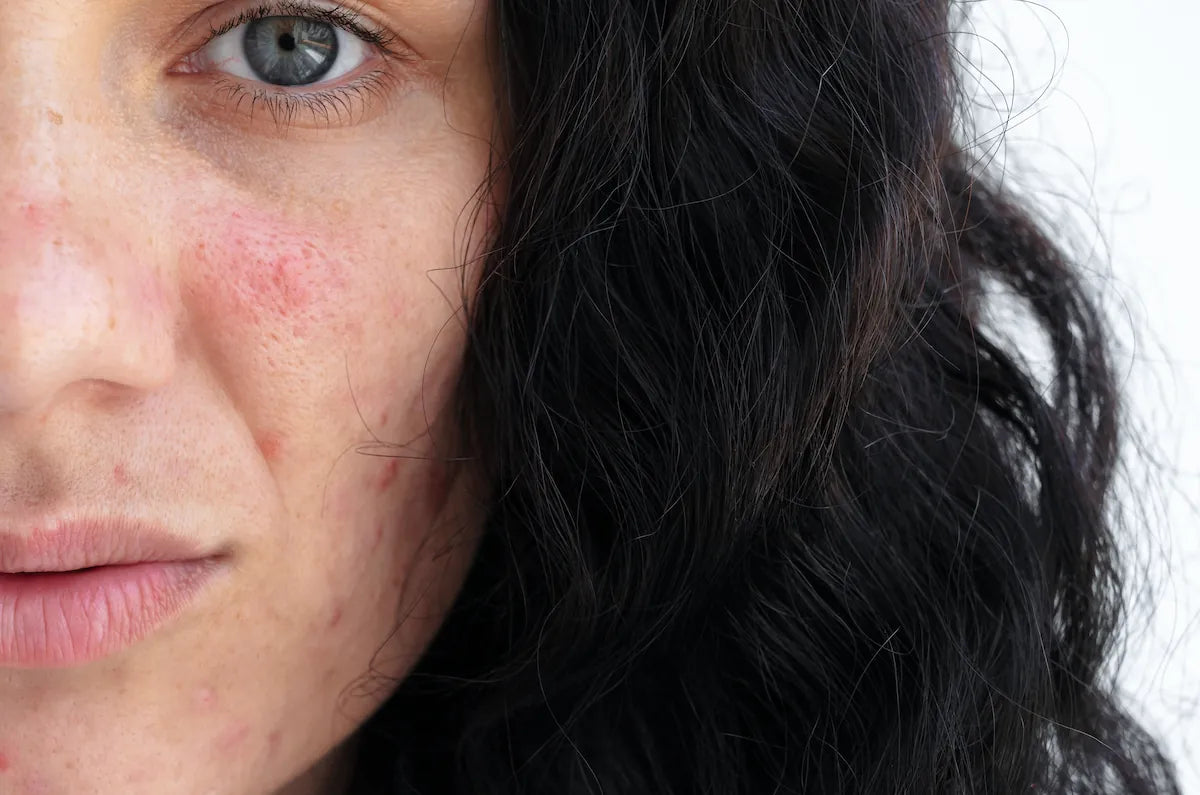
Its soothing properties are especially beneficial for those with sensitive or acne-prone skin, as allantoin helps reduce inflammation and supports healing, making it a popular choice in anti-acne products. Whether you’re seeking visible results in skin clarity, improved hydration, or a calmer complexion, using allantoin in your skin care routine can deliver a range of benefits. In this article, we’ll explore how allantoin works, its key advantages, and how to choose the right cosmetic ingredients to maximize its potential in your formulations.
Quick Facts About Allantoin
Allantoin is a versatile ingredient widely utilized in cosmetic formulations, appearing in products ranging from baby creams to advanced serums. Despite its frequent presence, it often remains underappreciated compared to trendier actives. However, this naturally occurring chemical compound has established a strong reputation in dermatology and cosmetic science for its multifunctional benefits. Allantoin has been used in dermatology for decades due to its exceptional skin tolerance.
Its broad utility stems from its ability to soothe irritated or damaged skin, maintain skin hydration under challenging environmental conditions, support the healing of minor cuts and abrasions, and do so with excellent skin tolerance. This makes allantoin particularly valuable for formulations targeting sensitive skin and infant care products. Dermatologists and formulators alike recognize it as a “comfort ingredient” that enhances product tolerability without adding formulation complexity. Allantoin is considered a universal active, safe for daily use by the whole family.

Allantoin’s natural origin from plants such as comfrey and chamomile adds to its appeal, although most allantoin used in cosmetics is synthesized to ensure purity and safety. It is commonly incorporated into night creams, serums, lip balms, hand creams, and post-procedure recovery products. Regulatory bodies such as the FDA classify allantoin as a skin protectant active ingredient, and it is widely approved in the EU for cosmetic use.
Serious side effects from allantoin are rare, but allergic reactions can occur in some individuals, and people with allergies to certain ingredients should avoid using allantoin products that contain those allergens. Typical formulation concentrations range from 0.1% to 0.5%, with some over-the-counter therapeutic products containing up to 2%. For formulators aiming to develop effective, gentle, and multifunctional skincare lines, allantoin is a reliable choice.
What Is Allantoin?
Chemically, allantoin is a diureide of glyoxylic acid and a key metabolic intermediate in many organisms, though humans produce it only in trace amounts due to lacking the necessary enzyme. In nature, allantoin is found in the roots and leaves of comfrey (Symphytum officinale), chamomile, sugar beet, wheat sprouts, and tobacco seeds. Historically, comfrey extracts were used for wound healing and skin irritation, with allantoin later identified as the active compound responsible for these effects.
For cosmetic and pharmaceutical use, allantoin is predominantly synthesized to guarantee consistent quality and avoid impurities such as toxic pyrrolizidine alkaloids present in raw plant extracts. It is a white, odorless crystalline powder, soluble in water and stable across typical cosmetic pH ranges. Its compatibility with various formulation types, like lotions, gels, serums makes it a favored ingredient among cosmetic chemists.
Allantoin is often used in combination with other ingredients, including exfoliating agents, to enhance product efficacy, but care should be taken as certain combinations may increase the risk of irritation. Beyond skincare, allantoin is also found in baby diaper creams, aftershave balms, lip-care products, OTC skin protectants, and occasionally in oral-care formulations, demonstrating its versatility across personal care categories and its presence in other products beyond skincare.
Allantoin Skin Benefits for Formulators
Allantoin is a multifunctional ingredient offering several key benefits that enhance formulation performance:
Humectant Properties: Allantoin attracts and retains moisture in the stratum corneum, improving skin hydration. It helps moisturize and hydrate the skin by increasing its water content, which is especially beneficial in formulations containing drying actives such as retinoids, benzoyl peroxide, or alpha hydroxy acids, where allantoin helps mitigate tightness and flakiness.
Soothing and Anti-irritant Effects: It calms redness, burning, and tightness caused by environmental stressors, shaving, sun exposure, or exfoliation. This makes allantoin ideal for products aimed at sensitive or reactive skin, as well as post-procedure recovery.
Support for Skin Regeneration: Allantoin stimulates keratinocyte and fibroblast proliferation, promoting faster turnover of superficial skin cells and aiding repair from micro-injuries, abrasions, and acne scars. This regenerative support is well-documented in dermatological literature.
Mild Keratolytic Action: Allantoin acts as a gentle exfoliant with keratolytic properties, helping to soften proteins in the skin and facilitate the removal of dead skin cells. This results in softer, smoother, and more radiant skin without the irritation associated with harsher exfoliating agents.
Anti-aging Support: Through hydration and renewal, allantoin contributes to skin plumpness and elasticity, reducing the appearance of fine lines and dryness-related wrinkles. While not a primary anti-aging active, it complements other ingredients by maintaining an optimal skin environment.

Its antimicrobial and anti-inflammatory properties further support wound healing and barrier repair, making allantoin a valuable inclusion in formulations for eczema, rosacea, and other sensitive skin conditions. Allantoin helps keep skin soft and comfortable, especially for those with dry or sensitive skin.
Mechanism of Action: How Allantoin Works in Formulations
Understanding how allantoin works is key for formulators. Allantoin forms a protective barrier on the skin, retains moisture, and supports cellular renewal, which together promote skin healing and improve overall skin texture and hydration.
- Moisture Retention: As a humectant, allantoin draws water into the skin’s outer layers, maintaining hydration critical for barrier function and repair.
- Barrier Support: By reducing inflammation and maintaining moisture, allantoin helps reinforce the skin’s natural defenses. It pairs effectively with occlusives like petrolatum or dimethicone to lock in hydration.
- Cell Turnover Enhancement: Allantoin promotes the proliferation and desquamation of keratinocytes, accelerating the replacement of damaged skin cells with healthy ones, improving texture and appearance.
- Anti-inflammatory and Anti-irritant: It modulates irritation signals, reducing redness, itching, and discomfort from environmental factors or aggressive actives.
Allantoin is often used in ointments to treat conditions like eczema and rosacea, due to its ability to form a protective barrier against environmental stressors and support skin repair. These properties position allantoin as a “comfort ingredient” that enhances formulation tolerability and efficacy without compromising skin health.
Incorporating Allantoin for Anti-Aging and Skin Regeneration
Allantoin’s gentle exfoliation and hydration support make it a strategic ingredient in anti-aging formulations. It is generally considered safe and well tolerated by most individuals. It promotes the removal of dead skin cells and stimulates new cell growth, helping reduce fine lines and improve skin texture while maintaining comfort for sensitive skin.
Its synergy with hydrating agents like hyaluronic acid enhances moisture retention and elasticity, essential for youthful skin appearance. When used in combination with other exfoliating ingredients, careful formulation is important to prevent irritation and ensure safety. Formulators can leverage allantoin to create balanced anti-aging products that deliver visible results with minimal irritation.

For skin regeneration, allantoin accelerates healing of minor cuts, burns, and abrasions by stimulating fibroblast and keratinocyte proliferation. It is effective in post-procedure care formulations and products designed for damaged or compromised skin.
Target Skin Types and Applications
- Sensitive and Reactive Skin: Its excellent tolerability makes it a staple in products for sensitive, rosacea-prone, or post-procedure skin.
- Dry and Mature Skin: Allantoin’s humectant and softening effects alleviate flakiness and fine lines associated with moisture loss.
- Oily and Acne-Prone Skin: Non-comedogenic and soothing, allantoin helps calm irritation from acne treatments and supports post-acne healing.
- Infant and Body Care: Its mildness makes it ideal for baby care products and formulations targeting rough or chapped skin on the body. Ointments containing allantoin are commonly used to heal and protect sensitive or damaged skin.

Allantoin’s versatility across climates and seasons further supports its inclusion in diverse product lines.
Formulation Considerations and Usage Recommendations
Allantoin is typically incorporated at concentrations between 0.1% and 0.5% in cosmetics, with higher levels (up to 2%) in therapeutic OTC products. It is compatible with a wide range of actives and excipients, including:
- Humectants: Glycerin, hyaluronic acid, and urea enhance hydration synergy.
- Barrier Repair Agents: Ceramides, squalane, and cholesterol complement its soothing action.
- Calming Botanicals: Aloe vera, panthenol, niacinamide, and licorice root extract amplify anti-inflammatory benefits.
- Potent Actives: Retinoids, AHAs/BHAs, and azelaic acid benefit from allantoin’s buffering effect, improving skin tolerance.
There are generally no known interactions between allantoin and foods, drinks, medications, or supplements, which highlights its favorable safety profile. However, users should inform their healthcare provider about all products they are using, including vitamins and supplements, to ensure safety and compatibility. Formulators should be mindful when combining allantoin with strong exfoliating acids, as irritation may still occur due to the acids themselves.
Gradual introduction and appropriate concentration are key to minimizing adverse reactions. Side effects are rare, but some individuals may experience mild allergic reactions, itching, or a burning sensation. When trying new skincare products, it is recommended to introduce one new product at a time and monitor your skin’s response for a few weeks.
Product Formats Featuring Allantoin
Allantoin is incorporated into a variety of product types, including:
- Cleansers and micellar waters: Provide gentle cleansing with reduced irritation.
- Toners, essences, and serums: Deliver concentrated hydration and soothing benefits.
- Moisturizers and overnight masks: Offer prolonged hydration and barrier support.
- Targeted repair products: Post-shave balms, after-sun gels, hand creams, and lip balms utilize allantoin for focused soothing and healing.

Its versatility in both leave-on and rinse-off formulations makes it a valuable component across multiple product categories. Always review the ingredients list to confirm the presence of allantoin in your chosen skincare products.
Regulatory Status and Safety Profile
Allantoin enjoys a strong safety record, supported by decades of use in cosmetic and OTC medicinal products. It is classified by the FDA as a Category I skin protectant active ingredient, meeting rigorous standards for safety and efficacy. The European Union also approves allantoin for cosmetic use without special restrictions at typical concentrations.
Adverse reactions are rare but may include contact dermatitis or allergic responses in sensitive individuals. Formulators should advise patch testing when developing products for highly reactive skin types. Precautions include avoiding use on deep wounds, serious burns, or infected skin unless under clinical supervision.
Selecting Allantoin for Your Formulations
When choosing allantoin for inclusion, consider:
- Purity and source: Synthetic allantoin offers consistent quality and safety over plant extracts.
- Concentration: Tailor levels based on product purpose, higher for therapeutic OTC, lower for daily cosmetics.
- Complementary ingredients: Combine with humectants, barrier-repair agents, and soothing botanicals for enhanced efficacy.
- Formulation base: Choose appropriate vehicles (creams, gels, lotions) to optimize delivery and consumer experience.
- Target consumer needs: Address specific concerns such as sensitivity, dryness, aging, or post-procedure recovery.
Partnering with reputable suppliers ensures access to high-quality allantoin that meets regulatory and performance standards. Reputable brands also prioritize sourcing high-quality allantoin and maintaining transparent supply chains to ensure product quality and build consumer trust.

Conclusion: Allantoin as a Formulation Essential
For cosmetic formulators and manufacturers, allantoin represents a multifunctional, well-tolerated ingredient that enhances hydration, soothes irritation, promotes skin regeneration, and supports anti-aging benefits. Its compatibility with a broad range of actives and excipients makes it an indispensable component in developing safe, effective, and consumer-friendly skincare products. Incorporating allantoin thoughtfully can improve product performance, consumer satisfaction, and brand reputation, making it a valuable asset in competitive skincare markets.
Allantoin for Formulators
Flychem’s HydraBond™ (Allantoin) is a high-purity (99%) cosmetic-grade active trusted by leading brands across the globe. It is vegan certified and available for supply worldwide.
Why Choose HydraBond™?
- 99% purity: Reliable performance and formulation stability.
- Vegan-certified: Suitable for clean and conscious formulations.
- No MOQ restrictions: Order as per your production requirements. You can procure exactly what you need, without overstocking or blocking working capital.
- < 24-Hour Dispatch: With <24-hour dispatch, we ensure fast processing and efficient shipping, enabling delivery within 2–5 working days across India and 7–15 working days globally.
If you are developing new formulations and would like to evaluate HydraBond™ (Allantoin), we would be happy to arrange a complimentary sample pack for your laboratory trials. Our in-house technical experts are available to provide complete formulation support, including recommended usage levels, solubility and compatibility guidance, stability considerations, and application-specific inputs to help you achieve optimal performance in your final product.