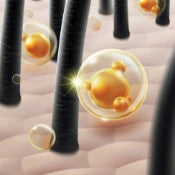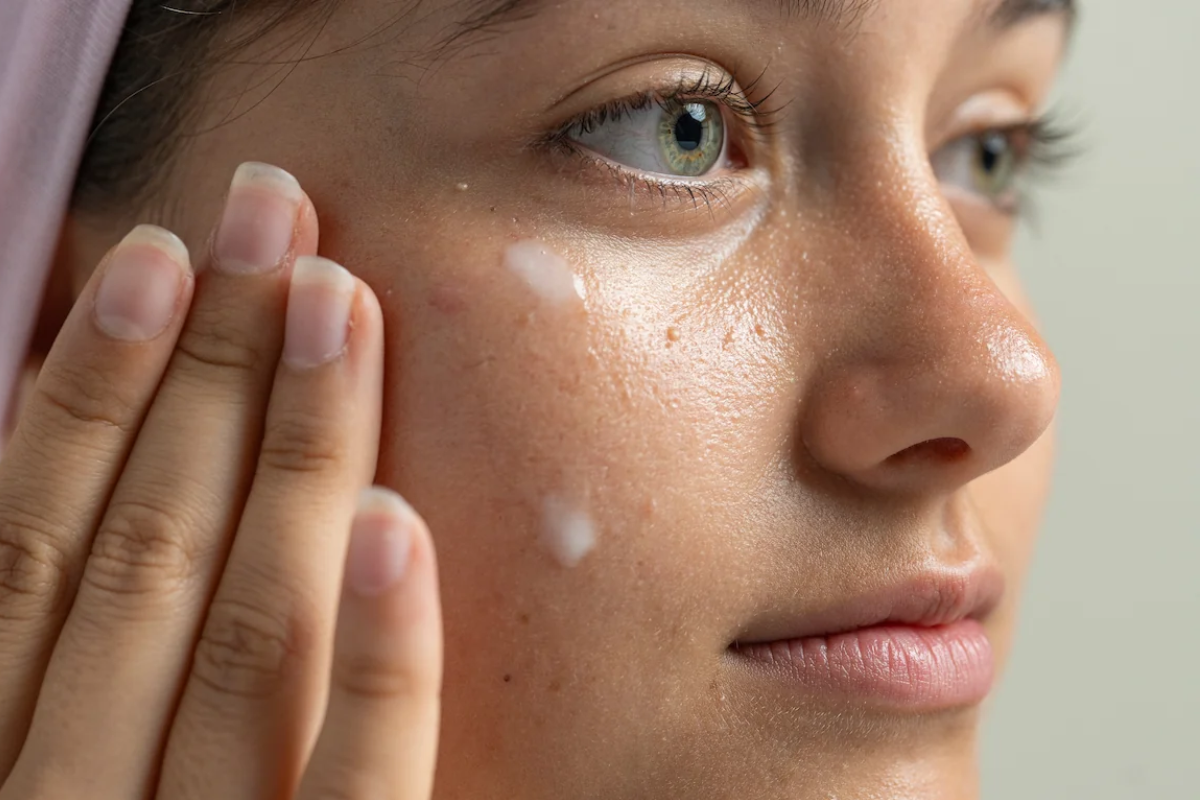
If you’ve noticed “pullulan” appearing on more ingredient lists lately, from lifting serums to biodegradable food packaging, you’re witnessing a quiet revolution in biopolymer science. This polysaccharide, produced by the polymorphic fungus Aureobasidium pullulans, has moved from niche specialty ingredient to mainstream formulation staple, and for good reason.
Pullulan is a naturally derived, water-soluble polysaccharide polymer that checks nearly every box modern formulators and consumers care about. It’s biodegradable, film-forming, tasteless, odorless, and carries regulatory approval across major markets, including the EU, US (FDA GRAS notice), and Japan. For skin care brands chasing clean beauty credentials without sacrificing performance, pullulan delivers on both fronts.
What makes pullulan particularly valuable in cosmetic products comes down to a handful of standout properties:
- Instant skin tightening: Creates a visible lifting effect within minutes of application
- Smooth, flexible film formation: Produces a thin film that feels like a second skin
- Moisture retention support: Forms a semi-occlusive barrier that reduces water loss
- Pollution barrier: Helps shield skin from environmental pollution and pollution particles
The present review provides a comprehensive overview of current research and applications of pullulan, highlighting its growing significance across various industries. The market trajectory tells a compelling story. As demand for anti-aging skincare intensifies and clean beauty formulations gain ground, pullulan has emerged as a preferred ingredient for brands seeking natural origin solutions with proven efficacy. Its expanding footprint spans the cosmetic industry, food industry, and pharmaceutical industry alike. In this guide, you’ll learn:
- The unique structure and chemical composition that give pullulan its properties.
- How pullulan production works and why sustainability matters.
- Specific cosmetic and personal care applications with real usage levels.
- Safety profile, regulatory status, and suitability for sensitive skin.
- Market trends and practical formulation guidance.
Chemical Structure and Origin of Pullulan
Understanding why pullulan behaves the way it does starts with its molecular architecture. Think of it as a necklace of sugar triplets, each bead made of three glucose molecules strung together in a precise pattern.

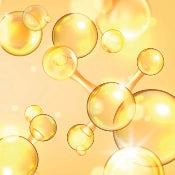
The chemical structure of pullulan consists of repeating units of maltotriose, three α-D-glucose molecules linked by α-(1,4) glycosidic bonds. These maltotriose triplets connect to one another through α-(1,6) linkages, creating a linear, unbranched chain. This unique structure is what scientists call an α-1,4-;α-1,6-glucan. Here’s what makes this arrangement significant:
- Linear configuration: Unlike branched polysaccharides, pullulan forms continuous, flexible chains ideal for film-forming ability.
- Alpha linkages: These bonds make the polymer readily soluble in cold water while conferring resistance to digestive enzymes.
- No branching: Creates smooth, uniform films rather than irregular textures.
The biological source is equally distinctive. Pullulan is secreted as an extracellular polysaccharide by Aureobasidium pullulans, a ubiquitous yeast-like fungus found in soil, water, and on plant surfaces. During aerobic fermentation, this organism consumes simple sugars and excretes pullulan into the surrounding medium.
Key Specifications of Pullulan Formulators Should Know
|
Property |
Typical Value |
|---|---|
|
Molecular weight range |
10 kDa to 2,000+ kDa |
|
Commercial grade average |
~200,000 Da |
|
Appearance |
Off-white to white powder |
|
Solubility |
High in water; insoluble in alcohol, oils |
|
pH stability |
Stable across a broad range (pH 3–9) |
|
Thermal decomposition |
250–280°C |
The molecular weight varies significantly based on fermentation conditions, strain selection, culture duration, pH, and phosphate concentration all influence the final polymer size. Commercial products often target specific molecular weight ranges for different industrial applications.
Industrial Production and Sustainability
The journey from fungal culture to cosmetic-grade powder involves a carefully controlled process that’s increasingly aligned with sustainability goals. Pullulan production follows a submerged fermentation model. The basic process unfolds like this:
- Fermentation: Pullulans cultures grow in liquid medium containing a carbon source (typically glucose, sucrose, or alternative feedstocks) at 25–30°C under aerobic conditions.
- Harvesting: After several days, the broth containing secreted pullulan is separated from fungal biomass via filtration or centrifugation
- Precipitation: Adding ethanol or isopropanol causes pullulan to precipitate out of solution.
- Purification: Multiple wash cycles remove residual proteins, pigments, and low-molecular-weight sugars
- Drying: The purified material is spray-dried or vacuum-dried to yield a stable powder
What’s driving innovation in this space is the push toward circular economy principles:
- Waste-derived feedstocks: Molasses, fruit processing waste, bakery waste, and cereal brans now serve as carbon sources, reducing both raw material costs and agricultural waste streams
- Optimized yields: Fine-tuning aeration, pH conditions, temperature, and sugar concentration can boost yields significantly while controlling molecular weight distribution
- Reduced environmental footprint: Using agro-industrial by-products cuts reliance on virgin glucose sources and lowers greenhouse gas emissions
The biodegradable polymer designation isn’t just marketing; pullulan genuinely breaks down in natural environments without leaving persistent residues, making it an environmentally friendly alternative to petroleum-derived film formers.
|
Process Parameter |
Typical Range |
Impact |
|---|---|---|
|
Temperature |
25–30°C |
Higher temperatures may reduce molecular weight |
|
pH |
4.5–7.0 |
Affects yield and polymer characteristics |
|
Fermentation time |
3–7 days |
Longer duration increases yield but costs more |
|
Carbon source |
Glucose, sucrose, waste streams |
Affects the economics and sustainability profile |
For formulators translating pullulan’s molecular characteristics into real products, a handful of properties matter most.
Solubility and Dissolution Behavior
- Dissolves readily in cold water without heating. Simply add to the water phase with moderate stirring.
- Forms clear, non-cloudy solutions at typical use levels (0.2–3%).
- Insoluble in ethanol, oils, and most organic solvents, making it important for formulation compatibility.
Film Characteristics of Pullulan
When a pullulan solution dries, it creates a continuous, transparent, flexible film on the skin’s surface. This film has unique properties that set it apart from other polysaccharide films:
- Oxygen barrier: Exceptionally low permeability to oxygen and nitrogen.
- Water vapor transmission: Higher permeability to moisture, allowing skin to breathe.
- Tensile strength: Good mechanical properties that improve elongation at break in composite films.
Pullulan is also considered a good adhesive, which contributes to its effectiveness as a binder and stabilizer in various applications.
Viscosity Behavior of Pullulan
Unlike highly viscous thickeners, pullulan produces solutions with relatively low viscosity at moderate concentrations. This is actually advantageous, you get film-forming benefits without the heavy, draggy texture of traditional gums.
|
Concentration |
Expected Texture |
|---|---|
|
0.2–0.5% |
Light, barely perceptible viscosity increase |
|
0.5–1.5% |
Moderate body, silky feel |
|
2–3% |
Noticeable thickness, strong film formation |
Compatibility Profile
Pullulan plays well with common cosmetic ingredients:
- Stable in presence of electrolytes (salts) that would destabilize some other polysaccharides.
- Compatible across typical cosmetic pH conditions (roughly 3.5–8).
- Blends effectively with other natural polysaccharides like hyaluronic acid, carrageenan, and modified starches.
- Can be combined with active ingredients, including peptides, vitamins, and botanical extracts.
Functions of Pullulan in Cosmetics and Personal Care
Pullulan has earned its place in modern skincare, hair care, and makeup formulations through a combination of functional benefits that directly translate to visible results.

Film-Forming Agent
Creates an invisible, flexible layer that adheres gently to skin. The adhesive properties of pullulan enhance its ability to help products like facial masks and patches adhere better to the skin, improving their effectiveness and user experience. In sheet masks, these properties enable pullulan to keep active ingredients in close contact with skin cells throughout the treatment period. In serums, the result is a smooth, “second-skin” finish.
Carrier for Actives
Functions as a stable carrier matrix for water-soluble active ingredients. When formulated into leave-on products, pullulan helps maintain actives at the skin’s surface where they can penetrate more effectively.
Pollution Barrier
The film creates a protective barrier against environmental aggressors. This physical shield helps limit contact between skin and airborne particulates, supporting the skin’s natural defenses.
Skin-tightening Agent
As the film dries and contracts slightly, it produces a temporary tightening effect that visibly smooths fine lines and tightens pore appearance. This instant lift-up effect is particularly valued in pre-event primers and lifting treatments.
Texture Enhancer
In leave-on formulas, pullulan contributes to a sponge-like structure that feels lightweight yet substantive. It improves spreadability and creates luxuriant smoothness during application.
Typical Pullulan Inclusion Levels
|
Product Type |
Recommended Level |
|---|---|
|
Lightweight serums |
0.2–0.5% |
|
Lifting treatments |
0.5–1.5% |
|
Sheet masks |
1–3% |
|
Peel-off masks |
2–5% |
|
Hair styling products |
0.5–2% |
Film-Forming and Instant Tightening Effect
The temporary tightening effect pullulan delivers is one of its most commercially valuable attributes, and understanding the mechanism helps you leverage it effectively. When you apply an aqueous formula containing pullulan to skin and allow it to dry, the polymer chains align and crosslink through hydrogen bonding, creating a continuous, cohesive film.

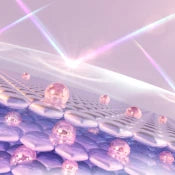
This film on the skin acts as a thin, elastic, and breathable barrier, providing protective, tightening, and moisturizing effects that improve skin appearance and support skin health. As residual water evaporates, this film contracts slightly, producing a gentle but perceptible tension across the treated area. The result? An immediate visual improvement in skin tautness that consumers describe as “lifted” or “firmed.”
Where This Effect Works Best?
- Pre-event primers: Applied before makeup for a smoother, more refined canvas
- Eye serums and treatments: Targets crow’s feet and under-eye laxity for a more awake appearance
- Neck and décolletage products: Addresses crepey texture in delicate areas
- Facial packs and sheet masks: Delivers intensive tightening during the masking period
- Flash-lift treatments: Positioned as instant gratification products for special occasions
Important Expectations to Set
The skin-tightening effect is cosmetic and temporary, lasting from several hours up until the product is cleansed away. However, this doesn’t diminish its value. Smart formulators combine pullulan’s instant gratification with long-term active ingredients like retinoids, peptides, or growth factors that address the aging process at a deeper level. This dual approach, immediate visible improvement plus cumulative benefits, creates products that satisfy both the desire for quick results and the understanding that real change takes time.
Hydration, Barrier Support, and Antioxidant Protection
While pullulan isn’t a humectant in the traditional sense, its contribution to skin hydration is significant, just through a different mechanism than ingredients like glycerin or hyaluronic acid.
Barrier Function Support
The semi-occlusive film pullulan forms reduces transepidermal water loss (TEWL) without completely sealing the skin. This means moisture stays in the skin layers longer, keeping skin hydrated throughout the day. The breathable nature of the film distinguishes it from heavy occlusive agents that can feel suffocating.
Environmental Protection
The continuous film acts as a physical protective barrier against:
- Wind and low-humidity environments that strip moisture.
- Fine particulate matter and pollution particles.
- Dust and environmental debris.
By limiting direct contact between these stressors and skin cells, pullulan helps prevent the oxidative damage that contributes to premature aging.
Antioxidant Properties Enhancement
Pullulan’s oxygen-barrier characteristics offer an additional benefit: reduced oxygen transmission may help stabilize co-formulated antioxidants like vitamin C, vitamin E, and ferulic acid. Less oxygen reaching the product means slower degradation of oxygen-sensitive actives.
Synergy with Humectants
For optimal moisture retention results, combine pullulan with true humectants:
|
Humectant Partner |
Combined Benefit |
|---|---|
|
Deep hydration locked in by pullulan film |
|
|
Glycerin |
Draws water from the environment; film prevents loss |
|
Osmotic protection plus physical barrier |
|
|
Conditioning plus improved penetration |
The combination creates a layered hydration strategy, humectants pull moisture into skin while pullulan’s film keeps it there.
Applications of Pullulan in Makeup, Skincare, and Hair Care
Pullulan’s broad range of functional benefits translates into applications across virtually every category of personal care products.

Pullulan Makeup Applications
- Primers: Creates a smooth, blurred base that helps foundation adhere and wear longer; the film fills fine lines and minimizes pore size appearance
- Foundations and BB creams: Contribute to soft-focus effects and improved slip during blending
- Setting sprays: Helps lock makeup in place while maintaining a natural, non-plastic feel
Pullulan Skincare Applications
- Lifting serums: Water-based gel serum with 0.5–1% pullulan for instant smoothing and the luxuriant smoothness consumers expect
- Eye treatments: Concentrated formulas targeting crow’s feet and under-eye puffiness
- Neck creams: Address vertical lines and horizontal creases
- Sheet masks: Higher concentrations (2–3%) maximize the tightening and delivery benefits
- Peel-off masks: Form the structural matrix that allows clean removal while depositing actives
Pullula Hair Care Applications
Pullulan functions as an effective film former in styling products without the downsides of traditional polymers:
- Styling gels and creams: Provides light to medium hold with a touchable finish
- Anti-frizz treatments: Smooths cuticle and controls flyaways
- Shine sprays: Creates reflective film for a healthy-looking luster
- Heat protectants: Film offers some thermal buffering during styling

The foam retention properties also make pullulan useful in cleansing products, contributing to stable, luxurious lather in shampoos and facial cleansers.
Advanced Biomedical and Nanotechnology Uses
Beyond cosmetics, pullulan’s biomedical applications showcase the polymer’s remarkable versatility and offer a glimpse at where skincare innovation may head next.
Established Biomedical Applications
The same properties that make pullulan valuable in cosmetics translate directly to pharmaceutical and medical uses:
- Edible films and oral dissolving strips: Fast-dissolving drug delivery formats that bypass swallowing difficulties
- Wound dressings: Moist healing environment with oxygen barrier properties
- Tissue engineering scaffolds: Biocompatible matrices that support cell growth and mimic the extracellular matrix
- Regenerative medicine: Framework for delivering cells and biomolecules to damaged tissues
Nanotechnology Applications of Pullulan
Pullulan-based nanoparticles and nanogels represent the cutting edge:
- Drug encapsulation: Protects sensitive therapeutics and controls release kinetics.
- Targeted delivery: Modified pullulan can be engineered to accumulate in specific tissues.
- Cosmetic actives delivery: Peptides, growth factors, and other high-value actives benefit from pullulan’s encapsulation capabilities.
Electrospinning and Nanofibers
When processed through electrospinning, pullulan forms nanofibrous mats with exceptional surface area-to-volume ratios. These materials offer:
- High tensile strength and flexibility.
- Compatibility with physiological conditions.
- Modifiable surfaces for enhanced functionality.
- Excellent water retention.
For cosmetics, this translates to advanced anti-aging patches, transdermal delivery systems, and next-generation sheet masks that dramatically improve active ingredient penetration.
Active Ingredients and Pullulan: Synergy and Compatibility
Pullulan’s role in skin care goes beyond its own benefits; it acts as a powerful partner for a broad range of active ingredients. Thanks to its film-forming ability and exceptional moisture retention, pullulan creates a stable, protective layer on the skin that helps lock in active ingredients like hyaluronic acid, retinol, and vitamin C. This not only enhances the penetration and absorption of these actives into the skin layers but also boosts their effectiveness in delivering anti-aging and skin hydration benefits.

In the cosmetic industry, pullulan’s compatibility with a wide variety of active ingredients makes it a go-to choice for formulating advanced skin care products. Its antioxidant properties add another layer of protection, helping to shield skin from environmental stressors and combat premature aging. By forming a breathable, semi-occlusive film, pullulan supports the skin’s natural barrier while allowing actives to work more efficiently at the skin’s surface.
The synergy between pullulan and other active ingredients results in products that deliver both immediate and long-term improvements in skin appearance and health. Whether used in serums, creams, or masks, pullulan’s unique properties enable it to enhance the performance of other ingredients, making it a cornerstone of innovative, effective, and results-driven skin care formulations.
Safety, Regulatory Status, and Skin Tolerance
Pullulan’s safety profile is one of its strongest selling points; decades of food and pharmaceutical use have established a robust track record.
Pullulan Regulatory Status
|
Region |
Status |
|---|---|
|
United States |
FDA GRAS (Generally Recognized as Safe) for food use |
|
European Union |
Listed in EU Cosmetic Ingredient Database; approved food additive (E1204) |
|
Japan |
Long-established use in food and pharmaceuticals |
|
International |
INS No. 1204; CAS No. 9057-02-7 |
Pullulan Toxicological Profile
Studies consistently demonstrate pullulan’s favorable safety characteristics:
- Non-toxic to skin cells and systemic tissues
- Non-immunogenic: Doesn’t provoke immune responses
- Non-mutagenic: No evidence of genetic damage
- Non-carcinogenic: No tumor-promoting activity
The non-toxicity profile extends to oral exposure as well, pullulan is used in oral care films and edible food coatings with no safety concerns.
Skin Tolerance
Clinical patch testing shows excellent tolerability, including on sensitive skin types. The neutral, non-ionic nature of pullulan means it doesn’t disrupt skin pH or interact negatively with the skin’s microbiome. However, as with any ingredient, standard precautions apply:
- Allergic reactions are rare but possible; finished products still require standard safety assessments.
- Patch testing is recommended for individuals with known polysaccharide sensitivities.
- Cosmetic-grade pullulan should meet purity requirements: low residual proteins, controlled microbial load, minimal solvent residues.
Market Trends and Commercial Forms
The commercial landscape for pullulan reflects broader trends in sustainable, bio-based ingredients, and the numbers tell a growth story.
Commercial Specifications
- Appearance: White to off-white powder.
- Molecular weight grades: Available in ranges from low (viscosity modification) to high (strong film formation).
- Pack sizes: 25 kg industry bags for large manufacturers; 0.5 to 1 kg packs for labs and indie brands. Flychem offers Pullulan in pack sizes as small as 1 kg.
- Purity: Commercial grades typically ≥90% glucan on a dried basis.
Pricing Context
Relative to other microbial polysaccharides and film-forming polymers, pullulan sits in the mid-to-premium range. Its cost is offset by low use levels, effective concentrations start at just 0.2%, making per-formula economics competitive.
Market Drivers
- Clean beauty movement: Consumers actively seeking natural polysaccharides over synthetic polymers.
- Vegan formulation requirements: Pullulan is inherently plant/fungal-derived and vegan-friendly.
- Sustainability mandates: Biodegradable polymer status meets regulatory and consumer expectations.
- Anti-aging demand: Instant-lift products continue gaining market share.
Geographic Trends
- Asia: Largest production base; strong demand in K-beauty and J-beauty formulations.
- Europe: Growing adoption driven by EU sustainability regulations and clean beauty positioning.
- North America: Increasing use in prestige skincare and environmentally friendly indie brands.
Market analysts project steady annual growth across cosmetic, food, and pharmaceutical sectors, with the cosmetic industry representing a particularly dynamic segment.
How to Choose and Use Pullulan in Formulation
Translating pullulan’s potential into effective formulations requires attention to a few practical considerations.

Selecting the Right Pullulan Grade
|
Desired Effect |
Molecular Weight |
Concentration |
|---|---|---|
|
Light tightening, minimal viscosity |
Low–Medium |
0.2–0.5% |
|
Visible lifting, good film strength |
Medium–High |
0.5–1.5% |
|
Strong film formation (masks) |
High |
2–5% |
|
Thickening/viscosity building |
High |
1–3% |
Pullulan Incorporation Tips
- Add to water phase: Pullulan hydrates best in the aqueous portion of your formula.
- Allow full hydration: Moderate stirring at room temperature; pullulan is readily soluble in cold water but benefits from 15–30 minutes of mixing.
- Avoid high shear initially: Excessive mechanical stress can affect polymer chain integrity.
- Consider combinations: Pairing with other gums (xanthan, sclerotium) can create synergistic texture and film properties.
Compatibility Checks
- Test with electrolytes at final formula concentrations. Pullulan is stable with salts, but high levels may affect film clarity.
- Verify preservative system efficacy; the film shouldn’t interfere with antimicrobial activity.
- Confirm compatibility with pH-sensitive actives.
Stability Testing Recommendations for Pullulan
- Freeze-thaw cycling (3+ cycles) to assess film-forming consistency.
- Centrifugation to detect potential phase separation.
- Accelerated aging (40°C/75% RH for 3 months) to verify long-term performance.
- Visual assessment of film clarity and flexibility over time.
Key Takeaways
- Pullulan is a biodegradable, film-forming polysaccharide with proven efficacy in skincare, makeup, and hair care.
- Its chemical structure, repeating maltotriose units, creates unique properties, including water solubility and oxygen barrier capability.
- Commercial applications span from instant-lift serums to food packaging to biomedical scaffolds.
- Safety profile is excellent, with broad regulatory approval and suitability for sensitive skin.
- Future innovation will focus on modified derivatives, sustainable packaging, and personalized delivery systems.
Whether you’re formulating a prestige anti-aging treatment or developing sustainable alternatives to plastic-based materials, pullulan deserves a place in your ingredient toolkit. Among leading pullulan suppliers, Flychem offers high-quality pullulan for cosmetic and personal care applications. Request Pullulan sample from Flychem, test it at the concentrations outlined above, and experience firsthand why this microbial polysaccharide is becoming a formulation essential.