Deep beneath the scorching surface of Egyptian salt lakes, located within the harsh Egyptian desert, where most life forms cannot survive, extraordinary bacteria have evolved a remarkable survival mechanism that’s now revolutionizing skincare. These bacteria thrive in extreme environmental conditions such as intense heat, dryness, and high salinity. This natural compound, found in extreme environments, has emerged as one of the most scientifically compelling ingredients in modern dermatology, offering unparalleled protection for stressed skin and compromised skin barriers.
Ectoine represents a breakthrough in skin pharmacology, delivering benefits that surpass traditional moisturizers and protective agents. As environmental stressors continue to challenge our skin health, this amino acid derivative offers a sophisticated solution backed by rigorous clinical research and decades of scientific study.
What is Ectoine?
Ectoine is a naturally occurring amino acid derivative and extremolyte that serves as a cellular protection mechanism in extremophilic bacteria. This powerhouse ingredient belongs to a class of molecules called osmolytes, which help organisms maintain cellular integrity under extreme conditions. In the cosmetic industry, ectoine is listed under the INCI name “Ectoin” and has become a key ingredient in premium skincare formulations. Ectoine is widely used in a variety of cosmetic products, including creams, lotions, gels, sunscreens, and hair care products.
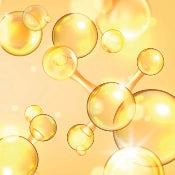
Chemically, ectoine is classified as a cyclic amino acid with the structure 3,4,5,6-tetrahydro-2-methyl-4-pyrimidinecarboxylic acid. This small molecule acts as a natural cell protectant by forming a protective hydration shell around proteins and cell membranes, preventing denaturation and damage from environmental stress. Unlike many active ingredients that require high concentrations to be effective, ectoine works efficiently at relatively low levels while maintaining excellent compatibility with all skin types.
The molecule’s unique zwitterionic structure allows it to interact strongly with water molecules while remaining excluded from direct contact with cellular structures. This mechanism enables ectoine to provide barrier support without interfering with normal cellular functions, making it an ideal choice for sensitive or stressed skin conditions.
Origins and Natural Discovery
Extreme Environment Origins
The discovery of ectoine traces back to 1985, when researchers first identified this remarkable natural compound in halophilic bacteria thriving in Egyptian salt lakes. These microorganisms, including several species of purple sulfur bacteria, had evolved to survive in extreme salinity conditions that would destroy most other life forms. The bacteria produce ectoine as a survival strategy, accumulating it in high concentrations to maintain cellular integrity against osmotic stress.
Ectoine-producing bacteria inhabit some of Earth’s most challenging environments, from the hypersaline waters of the Dead Sea to the mineral-rich hot springs of volcanic regions. These extreme conditions, characterized by intense UV radiation, extreme salinity levels, and dramatic temperature fluctuations, create the perfect laboratory for understanding cellular protection mechanisms.
The natural habitat of these extremophiles extends across diverse locations, including the Great Salt Lake, solar salterns, and even the arid landscapes of the Atacama Desert. In these environments, bacteria must cope with salt concentrations up to ten times higher than seawater, temperatures that can exceed 50°C, and UV exposure levels that would quickly damage unprotected organisms.
From Laboratory to Beauty Industry
The journey from scientific discovery to skincare application represents one of the most successful translations of extremophile research into commercial products. Initial studies in the late 1980s and early 1990s focused on understanding ectoine’s role in bacterial survival, but researchers quickly recognized its potential applications beyond microbiology.
The first cosmetic applications emerged in the early 2000s when dermatological researchers began investigating ectoine’s effects on human skin cells. Major breakthrough studies demonstrated that this effective natural substance could provide similar protective benefits for human cellular structures as it did for extremophile bacteria.
Clinical research accelerated throughout the 2000s and 2010s, with multiple studies confirming ectoine’s efficacy in treating various skin conditions. By 2010, premium skincare brands began incorporating ectoine into high-end formulations, recognizing its superior performance compared to traditional humectants and protective agents.
Today, ectoine has gained recognition from board certified dermatologists and skincare professionals worldwide as a scientifically validated ingredient for addressing multiple skin concerns, from basic hydration to complex barrier repair in compromised skin conditions.

The Science: How Ectoine Works
Cellular Protection Mechanism
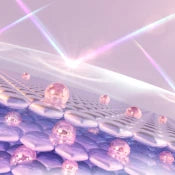
Ectoine’s protective mechanism operates through a sophisticated molecular interaction known as preferential exclusion. When applied to skin, this amino acid derivative creates a stabilizing hydration shell around proteins and cellular structures, effectively shielding them from environmental damage without interfering with normal biological processes.
The molecule’s unique ability to organize water molecules into highly ordered clusters provides enhanced protection against denaturation caused by heat, UV radiation, and osmotic stress. Unlike other protective agents that may bind directly to cellular components, ectoin works by modifying the water environment surrounding skin cells, creating an added layer of protection that maintains cellular integrity under stress.
Scientific reports indicate that each ectoine molecule can coordinate approximately seven water molecules in its immediate vicinity, creating a stable network that resists disruption from environmental stressors. This water-structuring capacity explains why ectoin helps maintain cellular function even under conditions that would normally cause protein folding errors or membrane damage.
The osmolyte function of ectoine also plays a crucial role in maintaining cellular volume and preventing the damaging effects of dehydration. By accumulating in the spaces between cellular structures, ectoine helps preserve the delicate balance of water and electrolytes necessary for optimal skin cell function.
Skin Barrier Enhancement
One of ectoine’s most significant contributions to skin health lies in its ability to strengthen the skin’s natural barrier function. Clinical studies demonstrate that topical application of ectoine containing cream can reduce trans epidermal water loss by up to 40%, providing substantial improvement in barrier integrity for both normal and compromised skin conditions.
The mechanism behind this barrier enhancement involves multiple pathways. First, ectoine stabilizes the lipid lamellae within the stratum corneum, helping to maintain the organized structure necessary for effective barrier function. Second, it provides direct protection to keratinocytes, the primary cells responsible for barrier formation and maintenance.
Research shows that ectoine’s barrier support extends beyond simple hydration. The ingredient actively helps strengthen intercellular connections and promotes the synthesis of key barrier proteins. This comprehensive approach to barrier enhancement makes ectoine particularly valuable for addressing various skin types, from acne-prone skin that may be compromised by harsh treatments to mature skin dealing with age-related barrier decline.
The protective effects of ectoine also extend to the cell membrane level, where it helps maintain membrane fluidity and integrity under stress conditions. This cellular-level protection translates to improved skin resilience and reduced susceptibility to irritation from environmental stressors.
Proven Benefits for Skin Health
Hydration and Moisture Retention
Ectoine functions as a hydration powerhouse, delivering superior moisture retention compared to traditional humectants like hyaluronic acid. Clinical studies reveal that ectoine can increase skin hydration by up to 200%, with effects lasting 24 hours or more after application. This long lasting moisture benefit stems from ectoine’s unique ability to organize water molecules into stable clusters that resist evaporation.
Unlike conventional moisturizers that simply attract water to the skin surface, ectoin works at the cellular level to improve the skin’s intrinsic capacity for moisture retention. This mechanism makes it particularly effective for treating skin dryness and maintaining optimal hydration levels in challenging environmental conditions. Ectoine is especially beneficial for individuals with dry skin, as it helps improve skin hydration, reduce transepidermal water loss (TEWL), and relieve symptoms of dryness often seen in conditions like atopic dermatitis and contact dermatitis.
The ingredient’s compatibility with sensitive skin makes it an ideal choice for individuals who struggle with traditional moisturizing products. Its lightweight formula absorbs quickly without leaving residue, making it suitable for incorporation into various skincare routines without causing congestion or irritation.
Research comparing ectoine to glycerin-based humectants shows consistently superior performance in both immediate hydration and sustained moisture retention. The molecule’s water-organizing properties create a more stable hydration environment that continues to benefit skin cells long after application.
Anti-Inflammatory and Soothing Properties
Ectoine demonstrates significant anti inflammatory properties, making it highly effective for calming sensitive or stressed skin conditions. Clinical trials have shown particular efficacy in managing symptoms of moderate atopic dermatitis, with patients experiencing reduced inflammation, itching, and overall symptom severity.
The soothing effects of ectoine stem from its ability to stabilize inflammatory pathways at the cellular level. By protecting cellular structures from stress-induced damage, ectoine helps prevent the cascade of inflammatory responses that characterize many skin conditions. This preventive approach often proves more effective than treatments that only address inflammation after it occurs.
For individuals with atopic dermatitis, ectoine offers a gentle alternative to conventional treatments. Studies indicate that regular use of ectoin products can reduce dependency on topical corticosteroids while maintaining symptom control. The ingredient’s excellent safety profile makes it suitable for long-term use, even in pediatric populations.
Beyond specific skin conditions, ectoine’s anti-inflammatory properties benefit anyone dealing with environmental stress, over exfoliation, or general skin irritation. Its ability to calm reactive skin responses makes it an valuable addition to any skin care routine focused on maintaining healthy, resilient skin.
Environmental Protection
In our modern environment, skin faces unprecedented challenges from UV rays, pollution, and other environmental stressors. Ectoine provides comprehensive protection against these threats through multiple mechanisms, making it an essential ingredient for contemporary skincare needs.
The ingredient’s UV protection capabilities extend beyond simple sun blocking. Ectoin works at the cellular level to prevent UV damage to DNA and proteins, reducing both immediate inflammatory responses and long-term photoaging effects. This cellular protection helps prevent the formation of fine lines, age spots, and other signs of photodamage.
Blue light protection has become increasingly relevant as screen exposure continues to rise. Ectoine’s ability to stabilize cellular structures provides protection against the oxidative stress associated with high-energy visible light exposure. This makes it particularly valuable for individuals with significant digital device usage.
Air pollution protection represents another crucial benefit of ectoine. The ingredient helps shield skin cells from particulate matter and chemical pollutants that can penetrate the skin barrier and cause inflammation. By strengthening the skin’s natural protective mechanisms, ectoine helps maintain healthy function even in challenging urban environments.
Ectoine for Sensitive Skin
Sensitive skin requires extra care, especially when exposed to environmental stressors that can trigger irritation, redness, and dryness. Ectoine, a natural compound derived from extremophilic bacteria, offers a unique solution for sensitive or stressed skin by reinforcing the skin’s natural barrier. By reducing trans-epidermal water loss (TEWL), ectoine helps lock in long-lasting moisture, ensuring optimal skin hydration even in challenging conditions.

What sets ectoine apart is its ability to provide both immediate and sustained relief for sensitive skin. Its anti-inflammatory properties help calm irritation and soothe discomfort, making it an ideal addition to any skincare routine focused on barrier repair and resilience. Ectoine’s gentle action supports the skin’s defense against environmental stressors, such as pollution and temperature fluctuations, which are common triggers for sensitive or stressed skin.
Regular use of ectoine-containing products can help alleviate skin dryness and maintain a healthy, hydrated complexion. By strengthening the skin’s protective barrier, ectoine not only prevents future irritation but also improves the overall health and comfort of sensitive skin. Whether you’re dealing with occasional flare-ups or chronic sensitivity, incorporating this effective natural substance into your daily regimen can make a noticeable difference in how your skin looks and feels. As a key benefit, ectoine helps leave skin soft, smooth, and comfortable, making it especially desirable for those seeking a skin soft finish.
Ectoine and Skin Brightening
Ectoine is gaining recognition as a powerful ally in the quest for brighter, more even-toned skin. Its ability to help regulate melanin production means it can reduce the appearance of hyperpigmentation and dark spots, promoting a more luminous complexion. Ectoine’s antioxidant properties further protect the skin from free radical damage, which is a common cause of uneven skin tone and dullness.
When combined with other brightening ingredients like vitamin C, ectoine enhances the overall effectiveness of skin brightening products, offering a comprehensive approach to achieving radiant skin. This synergy not only helps fade existing discoloration but also defends against new pigmentation caused by environmental stressors. For those seeking a gentle yet effective solution to skin dullness and uneven tone, ectoine provides a science-backed path to a brighter, healthier-looking complexion.
Ectoine and Skin Texture
Ectoine’s benefits extend beyond hydration to visibly improve skin texture, making it a valuable addition to any skincare routine focused on achieving smoother, firmer, and more radiant skin. By deeply hydrating and shielding the skin from environmental stressors, ectoine helps to minimize the appearance of fine lines and rough patches, leaving the skin’s surface noticeably softer and more refined.
Its anti-inflammatory properties are especially beneficial for sensitive skin, helping to calm irritation and reduce redness that can contribute to uneven texture. Over time, ectoine supports the skin’s natural barrier, enhancing elasticity and firmness for a more youthful look. The result is skin that not only feels smoother to the touch but also appears more even-toned and resilient, making ectoine a go-to ingredient for those seeking to improve both the look and feel of their skin.
Ectoine for Dry Skin Conditions
Ectoine is a standout ingredient for anyone struggling with dry skin or conditions like moderate atopic dermatitis. Its unique ability to form a hydration shell around skin cells means it locks in moisture where it’s needed most, dramatically reducing trans epidermal water loss. This not only leaves skin feeling soft and comfortable but also helps maintain optimal skin hydration even in the face of extreme environmental conditions such as cold, wind, or dry indoor air.

For those with atopic dermatitis, ectoine-containing creams have shown impressive results in clinical settings, improving skin hydration, reducing dryness, and alleviating uncomfortable symptoms like itching and redness. By strengthening the skin’s natural barrier, ectoine helps protect against environmental stressors that can trigger flare-ups or worsen dry skin. This makes it an ideal choice for anyone seeking effective, long-lasting relief from dryness and a more resilient, healthy-looking complexion. Whether used as part of a daily skin care routine or as targeted support during periods of increased skin stress, ectoine delivers reliable, science-backed results for dry and sensitive skin types.
Acne-Prone Skin and Ectoine
For those with acne-prone skin, finding ingredients that deliver results without causing further irritation can be a challenge. Ectoine stands out as a gentle yet powerful ally for managing breakouts and supporting overall skin health. Its ability to enhance skin hydration helps prevent the dryness and flakiness often associated with acne treatments, while its anti-inflammatory action reduces redness and soothes sensitive skin.
Ectoine’s benefits for acne-prone skin go beyond hydration. This natural compound has demonstrated antimicrobial properties, helping to control the growth of bacteria that can contribute to acne formation. By maintaining a balanced skin environment, ectoine supports the skin’s natural defenses and reduces the likelihood of future breakouts.
Importantly, ectoine is non-irritating and suitable for even the most sensitive skin types, making it an excellent choice for those who struggle with both acne and sensitivity. Incorporating ectoine-containing products into your skincare routine can help minimize the appearance of blemishes, calm inflamed areas, and promote a clearer, healthier complexion over time.
Ectoine and Anti-Aging
Ectoine’s role as a hydration powerhouse extends to impressive anti-aging benefits, making it a sought-after ingredient in advanced skincare routines. By deeply improving skin hydration, ectoine helps to plump the skin and diminish the appearance of fine lines, resulting in a smoother, more youthful look. Its ability to protect against environmental stressors, such as UV rays and pollution, further shields the skin from the external factors that accelerate visible aging.
One of the standout ectoin skin benefits is its support for collagen production, a key factor in maintaining skin firmness and elasticity. By helping to preserve the skin’s structural proteins and defending against oxidative stress, ectoine contributes to a reduction in the formation of wrinkles and other signs of aging.
Adding ectoine to your daily skincare routine not only helps to combat existing signs of aging but also provides proactive protection for the future. Whether used alone or in combination with other anti-aging ingredients, ectoine offers a science-backed approach to maintaining a radiant, resilient complexion at any age.
Ectoine and Skin Firming
Ectoine plays a pivotal role in skin firming by supporting collagen production, which is essential for maintaining skin’s elasticity and youthful structure. As we age, collagen levels naturally decline, leading to the formation of fine lines and sagging. Ectoine helps counteract these changes by stimulating collagen synthesis and reinforcing the skin’s natural barrier, resulting in a firmer, more lifted appearance.
This powerhouse ingredient also works well alongside other firming agents, such as retinol, to deliver comprehensive anti-aging benefits. By improving skin texture and reducing the visibility of fine lines, ectoine helps restore a smoother, more resilient complexion. Its ability to protect against environmental stressors ensures that skin remains strong and supple, making ectoine an excellent choice for anyone looking to maintain or regain youthful firmness.

Clinical Research and Evidence
Atopic Dermatitis Studies
Extensive clinical research has established ectoine’s efficacy in treating atopic dermatitis, with multiple randomized controlled trials demonstrating significant improvements in SCORAD (Severity Scoring of Atopic Dermatitis) measurements. These studies utilized rigorous methodology, including intra individual double blind designs and comparator-controlled protocols to ensure reliable results.
A landmark multicenter trial involving over 200 patients with moderate atopic dermatitis showed that twice-daily application of ectoine containing cream produced clinically significant improvements within two weeks of treatment initiation. Patients experienced reduced erythema, decreased scaling, and improved overall skin comfort compared to control treatments.
Pediatric studies have been particularly compelling, demonstrating both safety and efficacy in children as young as six months. These trials showed that ectoin products could effectively manage atopic symptoms while maintaining an excellent safety profile, with no adverse events reported even with long-term use.
Long-term follow-up studies spanning six months or more have confirmed the sustained benefits of ectoine treatment. Patients who incorporated ectoin products into their daily skincare routine experienced fewer flare-ups and improved overall skin quality compared to those using conventional moisturizers alone.
Comparative Effectiveness
Research comparing ectoine to other popular skincare ingredients has consistently demonstrated its superior performance across multiple parameters. In head-to-head studies against hyaluronic acid, ectoine showed better long-term hydration retention and superior barrier protection, particularly under stress conditions.
Studies evaluating ectoine’s moisturizing capacity against glycerin revealed significantly better performance in both immediate hydration and sustained moisture retention. Molecular dynamics simulations showed that water-ectoine clusters remained stable at elevated temperatures where water-glycerin systems lost their organizational structure.
Barrier repair studies comparing ectoine to ceramides and other barrier-supporting ingredients demonstrated faster recovery times and more complete barrier restoration with ectoine treatment. These findings suggest that ectoine’s mechanism of action provides more comprehensive barrier support than ingredients targeting only specific barrier components.
Photoprotection studies have shown that ectoine provides meaningful protection against UV-induced DNA damage, complementing rather than replacing traditional sunscreen ingredients. When combined with chemical or physical UV filters in multitasking sunscreen formulations, ectoine enhances overall photoprotection beyond what either ingredient achieves alone.
Comparison with Other Ingredients
Ectoine stands out among popular skincare ingredients like hyaluronic acid and vitamin C, thanks to its unique combination of benefits for sensitive or stressed skin. While hyaluronic acid is renowned for its hydrating properties, its effects are often short-lived compared to the long-lasting moisture retention provided by ectoine. Ectoine’s hydration shell technology ensures that skin remains hydrated for days, not just hours, making it a more sustainable solution for ongoing skin health.
Unlike vitamin C, which can sometimes irritate sensitive skin, ectoine’s anti-inflammatory action makes it suitable for all skin types, including those prone to redness or reactivity. Ectoine also excels at protecting the skin from environmental stressors and strengthening the skin’s natural barrier, offering comprehensive support for sensitive, dry, or stressed skin. As a true powerhouse ingredient, ectoine delivers a holistic approach to skin care, combining deep hydration, barrier repair, and soothing benefits, making it an essential addition to any routine focused on achieving healthy, resilient, and radiant skin.
Skincare Applications and Product Types
Optimal Concentration and Formulation
Effective ectoine formulations typically contain concentrations ranging from 1-2% for daily maintenance products to 2-5% for intensive treatment applications. These concentrations provide optimal efficacy while maintaining excellent tolerability across all skin types, including sensitive and compromised skin conditions.
Formulation considerations are crucial for maximizing ectoine’s benefits. The ingredient demonstrates excellent stability across pH ranges from 4.0 to 8.0, making it compatible with most cosmetic formulations. However, optimal activity occurs in slightly acidic to neutral pH environments, making it particularly well-suited for products designed to support the skin’s natural acidic environment.
Ectoine’s high water solubility allows for easy incorporation into both oil-in-water and water-in-oil emulsions, as well as gel-based and serum formulations. Its multifunctional role as both an active ingredient and formulation stabilizer makes it valuable for creating elegant, effective products with simplified ingredient lists.

Synergistic combinations with other ingredients can enhance ectoine’s effectiveness. Particularly beneficial partnerships include vitamin C for antioxidant protection, niacinamide for barrier support, and peptides for anti-aging benefits. These combinations allow formulators to create comprehensive treatments addressing multiple skin concerns simultaneously.
Product Categories and Uses
Serums and essences represent ideal delivery systems for ectoine, allowing for high concentrations of the active ingredient in lightweight formulas that absorb quickly and layer well under other products. These formulations typically contain 2-3% ectoine and serve as intensive treatments for compromised or stressed skin.
Daily moisturizers incorporating ectoine provide consistent barrier support and environmental protection as part of a regular skincare routine. These products typically contain 1-2% ectoine combined with complementary moisturizing and protective ingredients to create comprehensive daily care solutions.
Specialized eye care products benefit significantly from ectoine’s gentle yet effective properties. Ectoine is particularly beneficial in products targeting the under-eyes, helping to address concerns such as dryness, puffiness, and fine lines in this delicate area. The under-eye area, being particularly thin and sensitive, responds well to ectoine’s protective and moisturizing benefits. Eye creams with ectoine help address concerns ranging from dryness to environmental damage in this delicate area.
Sunscreen products incorporating ectoine offer enhanced protection beyond traditional UV filters. These multitasking formulations provide both immediate UV protection and long-term cellular defense, making them particularly valuable for daily use in challenging environmental conditions.
Treatment products for specific conditions like atopic dermatitis or post-procedure care often feature higher ectoine concentrations (3-5%) combined with other soothing and healing ingredients. These intensive treatments help restore barrier function and provide comfort during periods of skin stress or recovery.
Ectoine Sustainability and Production
Modern ectoine production utilizes an environmentally conscious fermentation process that significantly reduces environmental impact compared to traditional chemical synthesis methods. This biotechnological approach uses renewable biomass as feedstock, typically derived from agricultural waste products or sustainably sourced plant materials.
The environmental benefits of biotechnological ectoine production are substantial. Compared to chemical synthesis, the fermentation process requires 75% less water, 52% less energy, and produces 60% fewer CO₂ emissions. This dramatic reduction in environmental impact aligns with increasing consumer demand for sustainable beauty products.

Quality control measures in ectoine production ensure consistent purity and potency across batches. Advanced purification techniques, including membrane filtration and crystallization, remove impurities while preserving the ingredient’s biological activity. Final products typically achieve purity levels exceeding 98%, meeting strict pharmaceutical and cosmetic grade standards.
Future developments in ectoine production focus on further improving sustainability metrics through process optimization and waste stream utilization. Research into alternative production organisms and fermentation conditions continues to enhance both environmental performance and economic efficiency.
The renewable nature of ectoine production creates a stable supply chain that doesn’t depend on finite natural resources or climate-sensitive harvesting. This reliability makes ectoine an attractive ingredient for brands committed to sustainable formulation practices and supply chain security.
Choosing Ectoine Products: What to Look For
When selecting ectoine products, concentration represents the primary factor determining efficacy. Look for products listing ectoine or ectoin among the first five ingredients, indicating meaningful concentrations that will deliver therapeutic benefits. Products designed for intensive treatment should contain 2% or higher concentrations, while daily care products with 1-2% provide effective maintenance benefits.
Quality indicators include third-party testing certifications, pharmaceutical-grade ingredients, and transparent labeling practices. Reputable manufacturers will provide detailed information about ectoine concentration and sourcing, often highlighting the biotechnological production methods and sustainability credentials.
Product compatibility considerations are crucial for successful integration into existing skincare routines. Ectoine works well with most other active ingredients, including retinoids, acids, and antioxidants. However, those with particularly sensitive skin should introduce ectoine products gradually, although adverse reactions are extremely rare.
Price considerations reflect ectoine’s premium positioning in the skincare market. While more expensive than traditional humectants, the ingredient’s superior efficacy and multifunctional benefits often provide better value per use. Compare the cost per application rather than the absolute price when evaluating different products.
Packaging considerations include stability and contamination prevention. Ectoine products benefit from airless pumps or tubes that minimize exposure to air and light. Avoid products in clear glass containers unless they include UV-protective coatings or are stored in opaque secondary packaging.
Integration strategies for ectoine products depend on specific skin needs and current routine complexity. For those new to ectoine, starting with a serum or lightweight moisturizer allows for easy incorporation and effectiveness assessment. Advanced users might layer multiple ectoine products for enhanced benefits, such as combining a serum with a specialized treatment cream.
Potential contraindications are minimal, as ectoine demonstrates excellent tolerability across all populations studied. However, individuals with known sensitivities to bacterial-derived ingredients should perform patch testing before full-face application. Pregnant and nursing women can use ectoine products safely, as the ingredient poses no known reproductive risks.
The impressive range of ectoine applications makes it suitable for addressing multiple skin concerns simultaneously. Whether dealing with environmental damage, barrier dysfunction, or inflammatory conditions, ectoine provides science-backed benefits that support long-term skin health and resilience.
As research continues to unveil new applications for this remarkable natural compound, ectoine’s role in advanced skincare will likely expand further. Its unique combination of efficacy, safety, and sustainability positions it as a cornerstone ingredient for the future of evidence-based skincare, with growing demand driving innovation and reliability among Ectoine suppliers for cosmetic-grade applications.