Saccharide Isomerate 50%, 70%, and 99% represen different concentration grades of the same hydration active used in cosmetic formulations.
- Saccharide isomerate 50% Liquid → best for easy processing and large-scale emulsions
- Saccharide isomerate 70% Liquid → ideal for serums and performance formulations
- Saccharide isomerate 99% Powder → used for anhydrous, premium, or precision systems
All three deliver similar hydration benefits when dosed correctly, but differ in handling, viscosity, and formulation control.
Introduction
What Is Saccharide Isomerate?
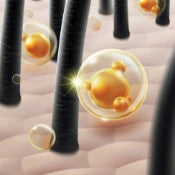
Saccharide isomerate is a plant-derived carbohydrate complex designed to mimic the skin’s natural hydration system. As a natural moisturizing factor cosmetic ingredient, it binds to keratin in the stratum corneum and creates a long-lasting moisture reservoir. Unlike conventional humectants, it does not wash off easily, making it highly effective for formulations targeting extended hydration and barrier support.
Also read: Formulating with Saccharide Isomerate: Achieving 72-Hour Hydration Made Simple

Role of Saccharide Isomerate in Formulation
In modern formulations, saccharide isomerate is used as a skin-identical hydration active that goes beyond basic moisture attraction. It improves water retention, enhances skin smoothness, and supports barrier recovery over time. Its ability to remain bound to the skin surface makes it especially valuable in both leave-on and rinse-off products, where maintaining hydration after application is often a challenge
Difference Between Saccharide Isomerate 50%, 70%, and 99%
The key difference lies in concentration and format, which directly impacts formulation behavior.
|
Parameter |
Saccharide Isomerate 50% liquid |
Saccharide Isomerate 70% liquid |
Saccharide Isomerate 99% powder |
|
Active Content |
~50% |
~70% |
~99% |
|
Form |
Low-viscosity liquid |
Higher viscosity liquid |
Powder / high solids |
|
Typical Use Level |
1–3% |
0.7–2% |
0.2–1% |
|
Handling |
Easy at room temperature |
May require warming |
Requires pre-wetting |
|
Best Applications |
Lotions, creams |
Serums, masks |
Anhydrous, powders |
While all grades provide similar hydration performance, the way they integrate into formulations differs significantly.
How Grade Selection Impacts Real Formulations
Formulations are highly sensitive to water balance and ingredient concentration. Moving from a 50% liquid to a 70% or 99% grade reduces water content and increases active load, which can alter viscosity, sensory feel, and preservative requirements. A common scenario: a lotion formulated with saccharide isomerate 50% liquid is reformulated using the 70% grade without adjusting the system.
The result is often a thicker texture and slightly tacky finish, even though the active level is similar. With saccharide isomerate 99% powder, improper dispersion can lead to clumping or graininess. These issues are not related to the ingredient itself, but to processing. This is why consistent sourcing from top cosmetic ingredients suppliers and proper grade selection are essential for predictable results.
Active Delivery Equivalence
To maintain the same hydration performance when switching between Saccharide Isomerate 50% vs 70% vs 99%, usage must be adjusted:
|
Target Active |
SI 50% |
SI 70% |
SI 99% |
|
~1% Active |
2% |
1.3% |
1% |
Recalculating dosage is essential to avoid changes in texture, viscosity, and overall formulation performance.

Liquid vs Powder Cosmetic Ingredients
Choosing between liquid and powder cosmetic ingredients affects both processing and product design.
|
Factor |
Liquid Grades (50%, 70%) |
Powder Grade (99%) |
|
Processing |
Simple and direct |
Requires pre-treatment |
|
Stability |
High |
Moisture-sensitive |
|
Flexibility |
Suitable for emulsions |
Ideal for anhydrous systems |
|
Ease of Use |
High |
Moderate to complex |
Liquid grades are generally preferred for standard formulations, while powder formats enable more advanced or water-free systems.
Where Each Grade Performs Best
- Saccharide isomerate 50% liquid is typically used in everyday formulations such as moisturizers, body lotions, and cleansers because of its ease of use and compatibility with cold processing.
- The 70% liquid grade is more suitable for performance-driven products like serums, sheet masks, and barrier-repair treatments, where higher concentration and improved INCI positioning are important.
- The 99% powder grade is used in premium applications such as anhydrous balms, powder masks, and minimalist formulations, where precise control over formulation composition is required.
Common Formulation Mistakes (And How to Avoid Them)
Many formulation issues are not caused by the ingredient itself, but by how it is used. One common mistake is switching grades without adjusting the dosage. This leads to incorrect active levels and changes in texture. Another frequent issue is adding high-concentration grades too early in the process, exposing them to unnecessary heat and affecting stability.
Formulation Guide (Flychem IsoMoist™ Approach)
In practical formulation, saccharide isomerate is best added during the cool-down phase to maintain stability. Higher concentration grades should be pre-diluted or pre-wetted to ensure uniform dispersion.
It integrates well with commonly used actives such as hyaluronic acid, niacinamide, peptides, and panthenol, making it suitable for multi-functional hydration systems. This compatibility allows formulators to build layered hydration strategies without compromising stability.
You May Be Interested In: Saccharide Isomerate: The Deep-Penetrating Moisture Magnet for Lasting Skin Hydration
Hydration Active Comparison
|
Ingredient |
Hydration Mechanism |
Duration |
Wash-Off Resistance |
|
Glycerin |
Moisture attraction |
Short-term |
Low |
|
Hyaluronic Acid |
Surface hydration |
Medium |
Moderate |
|
Saccharide Isomerate |
Protein binding |
Long-lasting |
High |
This difference in mechanism is why saccharide isomerate is often used in formulations targeting extended hydration claims.

Natural Ingredients and Supplier Variability
As a plant-derived ingredient, saccharide isomerate aligns with clean and vegan formulation trends. However, variability in sourcing can affect purity, residual sugars, and overall performance. Working with the best saccharide isomerate manufacturers helps ensure consistent quality and reduces batch-to-batch variation, which is critical for maintaining formulation stability.
How to Choose the Right Grade for Your Formulation
The right choice depends on formulation goals, processing capabilities, and product positioning. For large-scale production and simple emulsions, the 50% grade provides reliability and ease of use. For performance-focused products, the 70% grade offers better efficiency and improved ingredient positioning. For advanced or waterless formulations, the 99% grade provides maximum flexibility and precision. Selecting the correct grade early in development helps avoid costly reformulation later
Top Saccharide Isomerate Manufacturer & Supplier Comparison
|
Supplier Type |
Strength |
Limitation |
Best Use |
|
Flychem |
Multi-grade availability with strong R&D support |
Requires technical alignment |
Advanced and scalable formulations |
|
Global manufacturers |
Established production systems |
Limited customization |
Standard formulations |
|
Distributors |
Wide availability |
Variable consistency |
Early-stage sourcing |
Why Flychem is Among the Best Cosmetic Ingredient Exporters
Flychem is recognized as one of the top cosmetic ingredients suppliers for its focus on controlled sourcing, quality consistency, and reliable global supply. By offering multiple grades, including saccharide isomerate 50% liquid, 70% liquid, and 99% powder. Flychem supports a wide range of formulation needs, from mass-market products to premium dermo cosmetics.
Beyond supply, the technical team works closely with R&D departments to reduce formulation challenges, improve stability, and optimize active performance. This approach helps brands move faster from development to production with fewer iterations.
Final Thoughts
Understanding Saccharide Isomerate 50% vs 70% vs 99% is not just about concentration. It is about choosing the right tool for the formulation. Each grade is designed for a specific purpose, and aligning it with the formulation strategy improves performance, stability, and scalability. For brands aiming to develop high-performance hydration products, this decision directly impacts both product quality and time-to-market.
For many Saccharide Isomerate Manufacturers, selecting the correct grade helps improve formulation reproducibility and long-term batch consistency across modern skincare systems. This is one of the reasons why Saccharide Isomerate Suppliers and Saccharide Isomerate Manufacturers in India increasingly focus on formulation-specific grade selection rather than concentration alone.