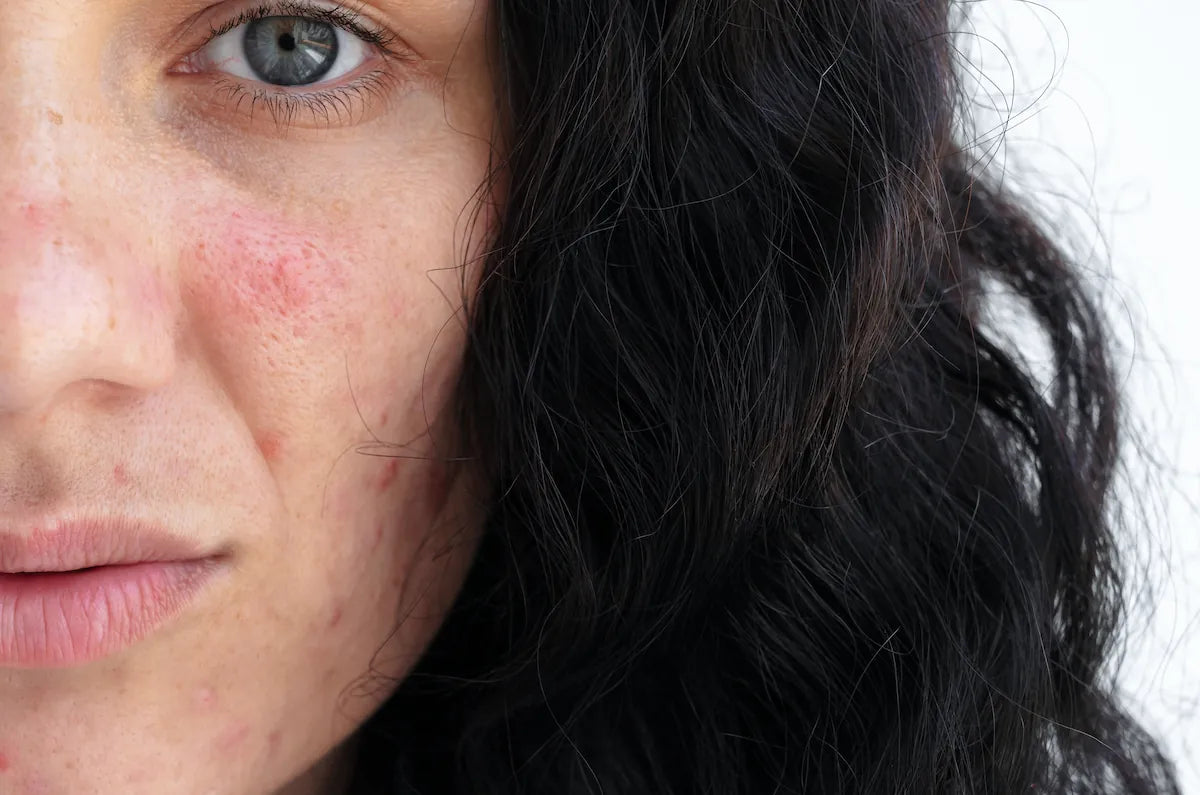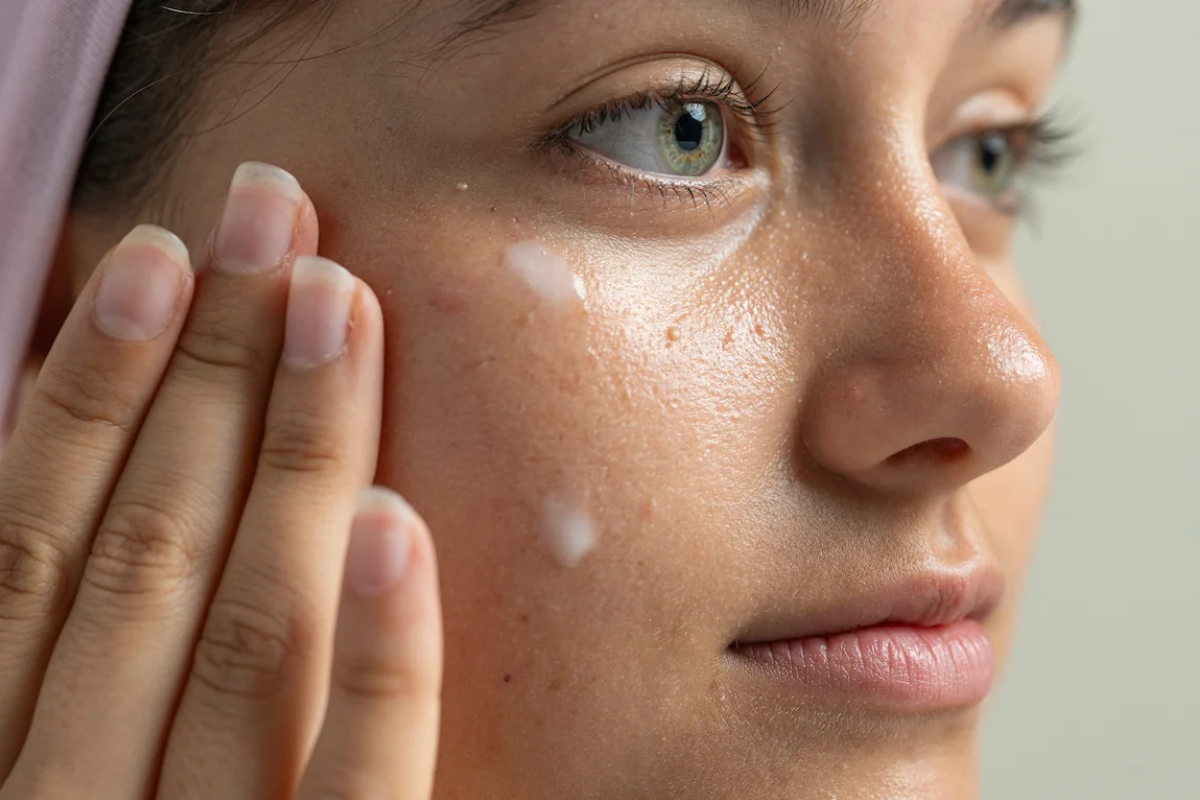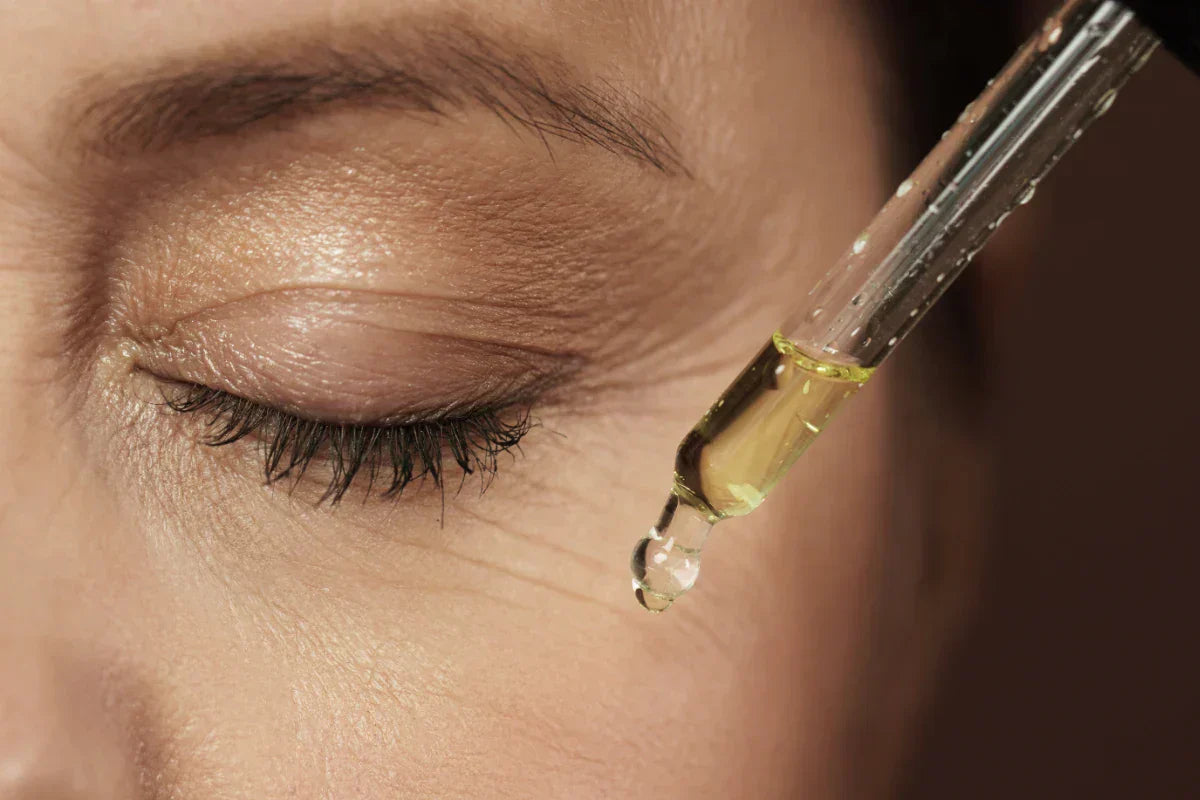
Copper tripeptide, specifically GHK-Cu or copper tripeptide-1 (glycyl-L-histidyl-L-lysine complexed with copper), has earned its reputation as a gold standard regenerative peptide in professional skincare formulations. Copper Tripeptide-1 (GHK-Cu) is a naturally occurring copper complex of the tripeptide glycyl-L-histidyl-L-lysine. First identified in human plasma in 1973 by Loren Pickart, this human tripeptide ghk cu is naturally present in plasma, saliva, and urine, with levels declining significantly between ages 20 and 60, a pattern that correlates directly with reduced tissue repair capacity and visible signs of skin aging.
Notably, GHK-Cu was originally identified as a liver cell growth factor, recognized for its role in stimulating liver tissue regeneration and its significance in age-related tissue repair. From Flychem’s perspective, GHK-Cu stands out as a foundational active for brand owners, contract manufacturers, and R&D laboratories seeking to restore youthful signaling in their formulations.
This article focuses specifically on the formulation aspects that matter most to cosmetic science professionals: mechanism of action, recommended dosage ranges, compatibility considerations, and regulatory guidance. Whether you’re developing premium anti-aging formulations, scalp tonics, or post-procedure recovery products, this guide will equip you with the technical knowledge needed to integrate copper peptides effectively into your next launch. As a valuable ingredient in advanced skin care, GHK-Cu is widely incorporated into skin care products for its ability to promote collagen production, support skin remodeling, and enhance overall skin health.

Chemistry & Mechanism of Action of Copper Tripeptide (GHK-Cu)
The GHK peptide consists of three amino acids, glycine, histidine, and lysine, arranged in a specific sequence that chelates Cu(II) in a square-planar coordination geometry. This chelation is critical: it effectively silences the metal’s free redox activity, preventing oxidative damage from unbound copper ions while maintaining bioavailability. For formulators, this means enhanced safety and stability compared to free copper compounds.
With a molecular weight of approximately 340-400 Da (depending on counterions), the topical tripeptide copper complex readily penetrates the stratum corneum to interact with dermal fibroblasts. Once absorbed, it triggers several biological actions relevant to skin health:
- Stimulation of collagen synthesis: Upregulates collagen I and III production
- Elastin production and glycosaminoglycan support: Promotes sulfated glycosaminoglycan synthesis
- Matrix regulation: Balances MMPs and TIMPs to maintain connective tissue integrity
- Growth factor upregulation: Increases growth factors such as VEGF, BDNF, and BMP-2, which are crucial for wound healing and tissue regeneration
- Antioxidant and anti-inflammatory activity: Demonstrates GHK-Cu's ability to act as an antioxidant and anti-inflammatory agent by neutralizing reactive oxygen species (ROS), modulating inflammatory markers, and protecting skin cells from environmental damage
The peptide’s origin as a collagen fragment released after tissue injury explains its role as a natural signal peptide for repair and tissue remodeling. Research from the Pickart era (1970s-2000s) established that GHK-Cu influences over 4,000 human genes toward healthier expression patterns, as documented in the International Journal of Molecular Sciences and related publications.
Anti-Aging Skin Benefits & Evidence for GHK-Cu
Copper tripeptide-1 has established itself as a premier anti-aging active for leave-on facial products, delivering measurable improvements in skin firmness, wrinkle reduction, skin barrier function, and overall radiance. Its ability to stimulate collagen while supporting balanced MMP activity makes it particularly suited for mature, photo-damaged, and aged skin.
Clinical Evidence
Human clinical studies provide compelling support for topical ghk cu efficacy:
- A 12-week thigh skin application study demonstrated improved collagen production in 70% of women versus 50% with vitamin C
- A pilot study by Krüger et al. showed increased epidermal and dermal thickness, skin hydration, skin elasticity, skin contrast, and collagen I synthesis
- A trial with 41 women applying GHK-Cu eye cream for three months reported reduced lines and wrinkles, improved skin density, and increased skin thickness, outperforming both placebo and vitamin K cream
- Comparable studies show wrinkle volume reductions around 60-70%, attributed to enhanced collagen cross-linking and decorin synthesis
Key Benefits for Product Claims
Formulators can support the following claims when incorporating GHK-Cu:
- Firmer feel and improved skin firmness
- Smoother skin texture with reduced wrinkles
- More even tone and enhanced radiance
- Improved skin hydration and barrier function
- Powerful antioxidant protection against environmental stressors and reactive oxygen species
- Reduction of visible redness
Effects are gradual rather than instant, relying on consistent use to deliver meaningful improvements in skin density and overall appearance.
Skin Regeneration, Wound Care & Post-Procedure Applications
GHK-Cu functions as a skin-renewing peptide that supports re-epithelialization and tissue remodeling within cosmetic contexts. Its mechanisms support skin regeneration and skin repair processes that translate into practical benefits for post-procedure recovery formulations.
Research Findings
Animal and small human studies demonstrate significant wound healing acceleration:
|
Parameter |
GHK-Cu Result vs. Control |
|---|---|
|
Full-thickness wound closure |
60-65% faster |
|
Granular tissue formation |
Enhanced |
|
Blood vessels development (angiogenesis) |
Increased |
|
Antioxidant enzymes activity (SOD) |
Elevated |
Cosmetic Applications
These mechanisms translate into tangible cosmetic benefits:
- Faster recovery after non-invasive procedures (chemical peels, laser resurfacing)
- Reduced appearance of post-inflammatory marks
- Smoother skin texture following wound repair processes
Important clarification: Flychem supplies GHK-Cu strictly as a cosmetic ingredient. Any use for medical wound management, injectables, or post-radiation therapy care falls under pharmaceutical regulation and lies outside the intended scope. Products for use following facial plastic surgery require appropriate medical oversight.

Hair & Scalp Care: GHK-Cu in Anti-Hair Loss and Density-Boosting Formulas
Copper tripeptide-1 serves as a multifunctional active for hair and scalp formulations, particularly leave-on scalp serums, tonics, and intensive treatments designed to support growing hair and scalp vitality.
Mechanisms Relevant to Formulators
The ghk cu peptide influences hair follicles through several pathways:
- Microcirculation improvement: Enhanced blood flow around follicular structures
- DHT pathway modulation: Literature suggests potential effects on DHT-related mechanisms
- Extracellular matrix support: Maintains structural integrity around the follicle
- Anagen phase prolongation: Experimental models show extended growth phase duration
Clinical Observations
Small clinical and observational studies report measurable outcomes when GHK-Cu-containing lotions were applied over 3-6 months:
- Increased hair density
- Larger follicle size
- Reduced shedding
- Improved scalp condition
Formulator-Ready Benefits
- Supports thicker-looking hair and stimulates hair growth
- Improves scalp condition and comfort
- Compatible with common anti-hair loss actives
- Suitable for sensitized or flaky scalps when combined with soothing agents
GHK-Cu pairs effectively with niacinamide, panthenol, zinc PCA, and botanical extracts like rosemary and green tea for comprehensive scalp care systems.
Results Timeline for GHK-Cu: Setting Consumer and Product Expectations
When incorporating GHK-Cu into skincare and haircare formulations, it’s important for both formulators and end-users to understand the expected timeline for visible results. As a powerful peptide complex, GHK-Cu works by stimulating collagen synthesis, enhancing skin elasticity, and supporting wound healing, processes that naturally require time to manifest noticeable changes.
For skin applications, users can typically expect to observe improvements in skin texture, firmness, and a reduction in fine lines and wrinkles within 3 to 6 months of consistent, daily use. These benefits are the result of GHK-Cu’s ability to stimulate collagen production and promote tissue regeneration, leading to healthier, more resilient skin over time. Enhanced skin hydration and a more even tone are also commonly reported as the skin’s barrier function improves.
In the context of hair growth, GHK-Cu’s effects on hair follicles and scalp health are gradual but significant. Clinical and observational studies indicate that visible improvements in hair density, follicle size, and overall scalp vitality generally become apparent within 6 to 12 months of regular application. The peptide’s role in prolonging the anagen phase and supporting connective tissue around the follicle underpins these results.
It’s essential to set realistic expectations: individual outcomes may vary based on factors such as skin type, hair condition, and the specific formulation used. Consistency is key; regular use of GHK-Cu-containing products, alongside a balanced skincare routine and healthy lifestyle, will optimize results and maximize the benefits of this advanced active ingredient.

Formulation Considerations for Copper Tripeptide-1
Flychem supplies high-purity, certified vegan copper tripeptide-1 suitable for premium facial and scalp formulations. This section provides practical formulation guidance for integrating the tripeptide copper complex glycyl into your systems.
Recommended Dosage Ranges
|
Application Type |
Active Peptide Level |
Notes |
|---|---|---|
|
Daily facial care |
0.01-0.1% |
Standard maintenance formulations |
|
Intensive treatments |
Up to 0.2% |
Higher potency serums |
|
Scalp serums/tonics |
0.05-0.1% |
Leave-on applications |
|
Eye treatments |
0.02-0.05% |
Sensitive area considerations |
pH and Stability
The copper peptide ghk cu thrives within a specific ph range:
- Optimal pH: 5.0-7.0 (mildly acidic to neutral)
- Avoid: Strongly acidic or highly alkaline systems that can affect peptide integrity or copper coordination
- Water-soluble: Add to the cool-down phase below 40°C
Chelator Considerations
Chelating agents like EDTA at high levels may compete with copper binding. Minimize or balance chelator content to preserve GHK-Cu stability and efficacy.
Compatible Formulation Types
- Aqueous or light gel serums
- O/W emulsions (creams and lotions)
- Eye contour treatments
- Sheet mask essences
- Non-rinsed scalp sprays and leave-on tonics
- Facial cream formulations
Compatibility with Other Actives & System Design
Synergistic Combinations
GHK-Cu works effectively alongside these active ingredients:
- Low-strength retinoids: Complementary anti-aging action
- Niacinamide: Barrier support and brightening
- Panthenol: Soothing and hydrating
- Ceramides: Barrier restoration
- Hyaluronic acid: Hydration and plumping
- Mild alpha hydroxy acids in night products: Gentle exfoliation
- Vitamin E and ferulic acid: Antioxidant properties enhancement
Combinations Requiring Caution
- High-percentage glycolic or lactic acid: Can destabilize peptides
- Low-pH ascorbic acid (direct vitamin C): May affect copper state
- Excessive chelators: Compete for copper binding
Recommendation: Sequence potentially incompatible actives in separate products within a regimen rather than combining in single formulations.
Haircare Compatibility
For scalp formulations, GHK-Cu pairs well with:
- Caffeine
- Plant extracts (rosemary, green tea)
- Zinc salts
- Mild keratolytics
- Soothing agents for scalp comfort
Avoid excessive use of strong chelators in haircare systems.
Hair Growth and Copper Toxicity: Safety Considerations for Formulators
While GHK-Cu is celebrated for its ability to stimulate hair growth and support skin health, responsible formulation is crucial to ensure both efficacy and safety. Copper peptides, including GHK-Cu, are naturally present in the human body and have a well-established safety record in cosmetic science. However, excessive use or improper formulation can increase the risk of copper toxicity and adverse reactions.
To minimize these risks, formulators should adhere to recommended concentration ranges, typically between 0.05% and 1% in skincare formulations. It is advisable to avoid layering multiple copper-containing products within the same regimen, as cumulative exposure may elevate copper levels beyond what is considered safe for topical use. Patch testing is strongly recommended, especially for products targeting sensitive skin or compromised skin barriers, to identify any potential sensitivities before widespread use.
Ensuring product stability is another key consideration. GHK-Cu should be stabilized and purified to prevent copper oxidation, which can not only reduce efficacy but also increase the likelihood of adverse reactions. By following best practices in formulation and quality control, brands can confidently deliver anti-aging formulations and hair growth products that harness the benefits of copper peptides while prioritizing consumer safety.
Ultimately, GHK-Cu’s naturally occurring presence in the body and its extensive research history make it a valuable and reliable ingredient for advanced skincare and haircare. By respecting usage guidelines and emphasizing safety measures such as patch testing, formulators can create innovative products that deliver on both performance and peace of mind.

Safety, Tolerability & Regulatory Status
Safety Profile
GHK-Cu demonstrates an excellent safety profile for cosmetic use:
- Naturally occurring in humans (plasma, saliva, urine)
- Non-sensitizing in standard patch testing at cosmetic concentrations
- Long history of topical application in anti-aging and wound care products
- Minimal reported adverse reactions at appropriate doses
Usage Levels and Tolerability
|
Concentration |
Tolerability |
Notes |
|---|---|---|
|
0.01-0.1% active peptide |
Well tolerated across skin types |
Standard cosmetic range |
|
0.2-0.4% peptide solution |
Generally tolerated |
May require a recommended patch testing |
|
Higher concentrations |
Increased irritation risk |
May cause unwanted facial hair stimulation |
Regulatory Status
- EU: Permitted as a cosmetic ingredient with standard safety assessments
- US/Asia-Pacific: Allowed under respective cosmetic regulations
- Formulators must: Perform product-specific safety evaluations, including SDS review, toxicological profiles, and margin of safety calculations
Addressing “Copper Uglies”
Literature occasionally references theoretical over-stimulation of MMPs leading to collagen breakdown (sometimes called “copper uglies”). This concern relates to excessive dosing or misuse rather than normal cosmetic levels. Proper formulation within recommended ranges eliminates this risk while avoiding copper toxicity concerns.
Recommendations for Sensitive Skin
- Dermatologically test finished products on sensitive skin panels
- Include standard caution language for users prone to metal allergies
- Exercise caution with compromised skin barriers
- Consider lower starting concentrations for products targeting sensitive skin populations
Flychem’s Copper Tripeptide-1 Offering
Flychem’s copper tripeptide-1 is a high-purity active specifically developed for cosmetics and personal care, manufactured under stringent quality and traceability standards.
Product Specifications
|
Attribute |
Specification |
|---|---|
|
Peptide identity |
Glycyl-L-histidyl-L-lysine:Cu(II) |
|
Assay |
Meets specification |
|
Heavy metals |
Low content verified |
|
Microbiological limits |
Compliant |
|
Appearance |
Bluish to bluish-purple crystalline powder or Bluish to bluish purple clear solution |
|
Solubility |
Water-soluble |
|
Storage |
Cool, dry, protected from light |
Application Ideas & Example Formulation Concepts
Concept 1: Urban Anti-Pollution Radiance Serum
- GHK-Cu level: 0.05%
- Format: Aqueous gel serum
- Target pH: 5.5-6.0
- Sensory profile: Light, fast-absorbing
- Co-actives: Hyaluronic acid, niacinamide, antioxidant complex
- Positioning: Daily defense against environmental stressors with anti-aging benefits
Concept 2: Firming Eye Contour Gel
- GHK-Cu level: 0.02%
- Format: Light O/W emulsion
- Target pH: 5.5
- Sensory profile: Non-greasy, quick absorption
- Co-actives: Caffeine, ceramides, peptide complex
- Positioning: Reduces visible signs of fatigue and aging around the delicate eye area
Concept 3: Densifying Scalp Booster Spray
- GHK-Cu level: 0.1%
- Format: Leave-on scalp tonic spray
- Target pH: 5.0-6.0
- Sensory profile: Lightweight, non-sticky
- Co-actives: Caffeine, rosemary extract, zinc PCA
- Positioning: Supports hair growth and scalp vitality for thinning hair
Concept 4: Renewal Bi-Phase Serum
- GHK-Cu level: 0.05%
- Format: Bi-phase serum
- Target pH: 6.0
- Sensory profile: Quick-absorbing, silky finish
- Co-actives: Panthenol, mild AHA blend
- Positioning: Nighttime skin renewal with gentle exfoliation

Practical Tips for R&D and Scale-Up
Processing Guidelines
- Addition timing: Incorporate pre-dissolved peptide in aqueous phase at cool-down (below 40°C)
- Avoid: Prolonged high-shear mixing at elevated temperatures
- Validate: Hold times between manufacturing steps
Quality Control Checklist
|
Test |
Frequency |
Purpose |
|---|---|---|
|
Appearance |
Every batch |
Visual consistency |
|
pH measurement |
Every batch |
Stability indicator |
|
Viscosity |
Every batch |
Formulation integrity |
|
Microbial challenge |
Per protocol |
Safety compliance |
|
Active content verification |
Periodic |
Efficacy assurance |
Packaging Recommendations
- Airless pumps are preferred for oxygen-sensitive formulations
- Opaque containers minimize light exposure
- Consider an aluminum overwrap for additional protection
- Avoid excessive headspace in containers
Stability Testing Protocol
|
Condition |
Duration |
Purpose |
|---|---|---|
|
25°C/60% RH |
12-24 months |
Shelf-life confirmation |
|
40°C/75% RH |
3-6 months |
Accelerated aging |
|
Freeze-thaw cycles |
3-5 cycles |
Physical stability |
Ensure the GHK-Cu complex and overall system maintain integrity throughout the intended shelf life under these conditions.
Conclusion & How Flychem Supports Your Next Launch
Copper tripeptide-1 represents a future-ready active for high-performance anti-aging, barrier-supporting, and hair-density formulations. Backed by decades of research published in molecular sciences journals and demonstrated efficacy across fibroblast cultures and human trials, GHK-Cu offers formulators a versatile tool for addressing skin aging, collagen production decline, and scalp health challenges.
Flychem positions itself as your partner for innovative, ethically sourced cosmetic ingredients. Our capabilities support both niche indie brands requiring small-batch flexibility and large-scale manufacturers demanding consistent quality and supply reliability. Consider integrating GHK-Cu when upgrading existing anti-aging lines or developing new scalp health platforms. The competitive differentiation possible when combined with Flychem’s complementary actives, including KOSAVA™ encapsulated salicylic acid, additional peptides, and performance emulsifiers, creates opportunities for truly distinctive skincare formulations.
To support diverse formulation requirements across skincare and haircare applications, Flychem offers Copper Tripeptide-1 (GHK-Cu) under its PeptiCure™ range in both powder and solution formats, positioning itself among reliable copper tripeptide manufacturers serving global cosmetic formulators. Flychem offers Copper Tripeptide-1 (GHK-Cu) in both powder and solution formats:
- PeptiCure™ (Copper Tripeptide-1 / 99.8% Blue Crystalline Powder)
- PeptiCure™ 5000 (Copper Tripeptide-1 / Solution 5000ppm)
- PeptiCure™ 20000 (Copper Tripeptide-1 / Solution 20000ppm)

This dual-format availability allows formulators to choose between high-purity powder for maximum formulation control or pre-dissolved solutions for ease of processing and faster scale-up. From a commercial standpoint, Flychem is structured to support both R&D-scale development and bulk manufacturing:
- No MOQ restrictions: Procure exactly as per project requirements
- Same-day dispatch: Ensuring minimal lead time for urgent development cycles
- Technical & formulation support: From lab-scale prototyping to commercialization
PeptiCure™ has gained strong acceptance not only in India but across global markets, making it a trusted copper peptide solution for formulators worldwide. This aligns with Flychem’s broader positioning as a flexible, innovation-driven partner for cosmetic manufacturers and R&D labs.